Last updated: November 05, 2026
Kidney-friendly cooking means using methods that keep sodium, potassium, and phosphorus under control without turning every meal into plain, gray food. Quick answer: for many people, the most kidney-friendly cooking methods are baking, steaming, roasting, and sautéing, but the right choice depends on the medical plan and the ingredients in the recipe. If kidney disease, dialysis, or a renal diet is on the table, Kidney-Friendly Cooking Methods — The Complete Guide is really about choosing the method that keeps flavor in the dish and minerals out of the broth.
What makes a cooking method kidney-friendly?
A kidney-friendly cooking method is one that limits the minerals and additives that are hardest to manage, especially sodium, potassium, and phosphorus. The method matters because heat, water, and drippings can either keep those nutrients in the food or pull them into the cooking liquid you later discard.
The practical rule is simple: dry heat usually keeps more potassium in the food, while boiling and soaking can move more of it into water. That does not make boiling “bad” by default. It makes boiling useful when you plan to drain the liquid. The National Kidney Foundation’s renal diet guidance and the USDA FoodData Central database are good reference points for checking ingredients and sodium content before you cook: https://www.kidney.org/kidney-topics/renal-diet-basics and https://fdc.nal.usda.gov/
Think in terms of visible control points:
- Salt added at the stove raises sodium fast.
- Processed sauces, marinades, and seasoning blends often hide sodium phosphate or potassium chloride.
- Cooking liquid can become the place where excess potassium ends up.
- Portion size matters because a smaller serving carries less mineral load, even when the recipe is the same.
Here is the first trade-off: a kidney-friendly meal often needs more prep work than a standard weeknight recipe. It may use fresh herbs, acid, and careful draining instead of a shake of seasoned salt. That is the cost of control, and it is why Kidney-Friendly Cooking Methods — The Complete Guide keeps returning to liquid management and ingredient labels.
Which cooking methods work best for kidney diets?
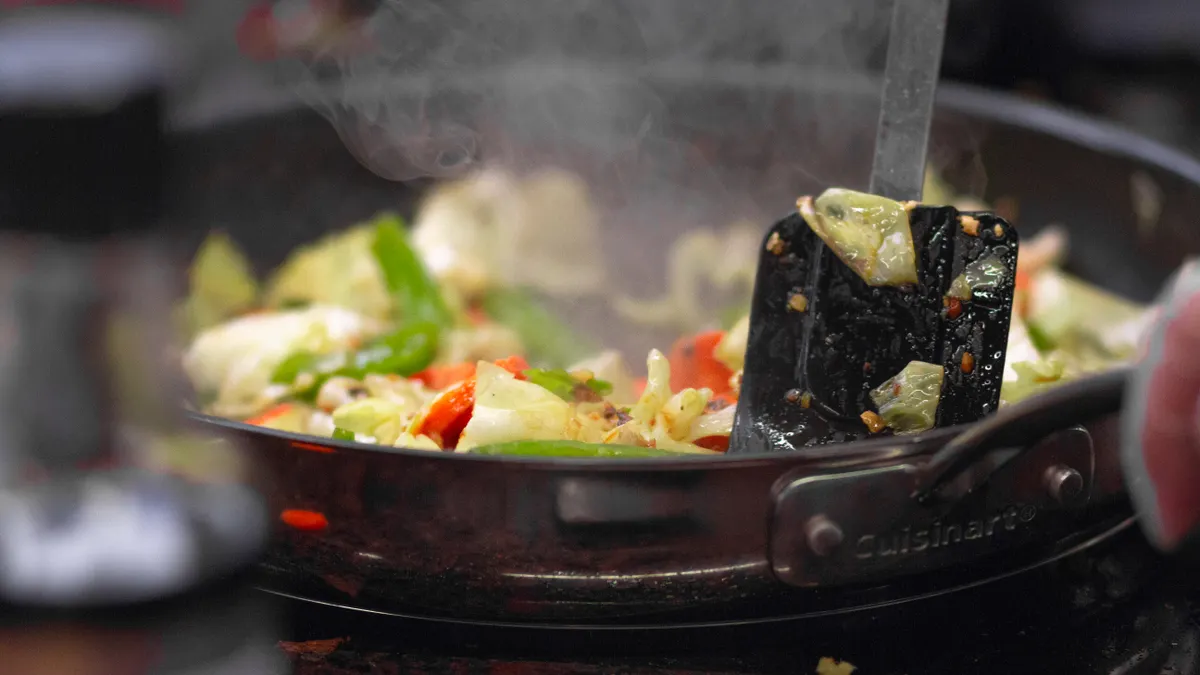
The most commonly recommended methods are baking, roasting, steaming, sautéing, pressure cooking with drained liquid, and quick simmering when the broth is discarded; boiling is useful for some vegetables when you want potassium to leach out. The wrong method is usually the one that keeps the sodium-rich liquid in the finished dish, like soups, stews, and braises made from salty bases.
According to the National Kidney Foundation’s renal diet basics, these choices can help reduce sodium exposure while giving you more control over potassium and phosphorus in the finished meal: https://www.kidney.org/kidney-topics/renal-diet-basics
The table below shows the methods in plain terms.
| Method | Best for | Kidney advantage | Main drawback | Watch for |
|---|---|---|---|---|
| Baking | Fish, chicken, vegetables | No added cooking liquid to absorb minerals | Can dry out food | Salt rubs and packaged seasoning; for individual meal planning, consult a renal dietitian or clinician and see the National Kidney Foundation renal diet basics: https://www.kidney.org/kidney-topics/renal-diet-basics |
| Roasting | Root vegetables, proteins | Strong flavor without broth | High heat can concentrate seasoning on the surface | Glazes, salted oil, premade spice blends |
| Steaming | Vegetables, fish | No salt-heavy liquid in the final plate | Can taste bland without acid or herbs | Overcooking into mush |
| Sautéing | Chicken, peppers, onions, tofu | Uses little liquid and builds flavor fast | Easy to overdo oil and sodium | Bottled sauces |
| Boiling then draining | Potatoes, carrots, beets, squash | Can reduce potassium in some foods | Loses water-soluble nutrients and flavor | Reusing the cooking water |
| Simmering and discarding broth | Pasta, rice, some vegetables | Lets you control the final sodium load | Easy to turn into a sodium trap | Bouillon, stock cubes |
| Pressure cooking | Tough meats, beans in some diets | Fast cooking can reduce time exposure | The liquid often stays in the pot | Using the broth as the meal base |
The biggest mistake is treating all “healthy” methods the same. A steamed vegetable with lemon is not the same as a baked casserole built on canned soup. The second one can carry a lot more sodium per serving, even if it looks wholesome. That is why Kidney-Friendly Cooking Methods — The Complete Guide keeps emphasizing what happens to the liquid after the food cooks.
How do I cook vegetables so they are kidney-friendly?
I cook kidney-friendly vegetables by cutting them small, using plenty of water for leaching when needed, and finishing with dry heat, acid, or herbs instead of salted sauces. The correct result is tender vegetables that still hold shape and color, not waterlogged pieces with all the flavor washed away.
Because vegetables vary so much, a useful starting point is the raw ingredient list in USDA FoodData Central before you cook: https://fdc.nal.usda.gov/
Use this process when potassium control matters:
- Choose the vegetable based on its mineral load. Check a reliable database such as USDA FoodData Central for the raw item, especially for potatoes, tomatoes, spinach, winter squash, and avocado. Check: whether the vegetable is known for higher potassium. Do not: assume every vegetable is equally easy to fit into a renal meal plan.
- Peel and cut into smaller pieces. Slice potatoes, carrots, and squash into 1/2-inch to 1-inch pieces so heat reaches the center faster. Check: even size for even cooking. Do not: leave thick chunks if you plan to boil them for potassium reduction.
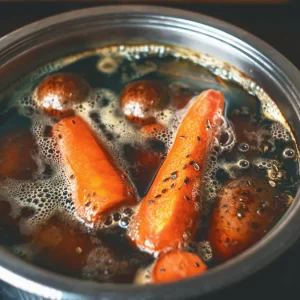
- Soak or blanch when appropriate. For higher-potassium vegetables, a soak in water or a brief blanch can help move some potassium into the water. Check: that the water changes color or taste slightly vegetal. Do not: reuse that water in soup or gravy.
- Boil in a large volume of water when reduction is the goal. Use enough water that the vegetables are not crowded, then drain well. Check: fork-tender pieces that still hold shape. Do not: simmer them in a small amount of water that gets absorbed back into the food.
- Finish with dry heat if you want better texture. Move drained vegetables to a 400°F oven for a few minutes or toss them in a dry skillet to remove surface moisture. Check: a lightly browned exterior and no puddle in the pan. Do not: drown them in salted butter or sauce at the end.
- Season with acid, herbs, and aromatics. Lemon juice, vinegar, garlic, thyme, dill, rosemary, and black pepper can replace the salt shaker. Check: flavor on the tongue, not just on the nose. Do not: use seasoning salt, bouillon, or “lite salt” unless the care team has said potassium chloride is acceptable.
The key visual is the drained colander: vegetables should look dry on the outside before you season them. If they glisten with cooking water, they are still carrying whatever dissolved into that liquid. That visual check is one of the simplest parts of Kidney-Friendly Cooking Methods — The Complete Guide, but it makes a real difference.
What does a kidney-friendly protein method look like?
A kidney-friendly protein method keeps salt out of the crust, avoids phosphate-heavy additives, and uses gentle cooking so the meat stays juicy without a salty brine. The easiest methods are baking, roasting, grilling, and poaching, with the seasoning added as a thin layer rather than a soak full of sodium.
The National Kidney Foundation also notes that processed meats and phosphate additives can be harder to manage in a renal diet, so ingredient labels matter as much as technique: https://www.kidney.org/kidney-topics/renal-diet-basics
Here is the comparison that matters.
| Protein | Best method | Correct look | Common mistake | Why it matters |
|---|---|---|---|---|
| Chicken breast | Bake or roast at moderate heat | Pale-golden surface, juices clear | Brined or injected chicken | Brining often adds a lot of sodium |
| Fish | Bake, steam, or parchment-cook | Flaky, opaque flesh | Soy-based marinades | Soy sauce is sodium-dense |
| Lean pork | Roast or sauté | Slight browning, not gray | Heavy salt rub | Salt accumulates on the surface |
| Ground turkey | Skillet cook | Even crumbles, no pooled grease | Preseasoned packaged meat | Seasoned blends may include sodium and phosphates |
| Eggs | Poach or scramble | Soft set, not rubbery | Salty cheese-heavy omelet | Cheese can add sodium and phosphorus |
A plain roast chicken can still be flavorful if the skin is rubbed with oil, garlic, pepper, and rosemary before it goes into a 375°F oven. The key here is the surface, not the center — notice how a dry rub clings in a thin film, while a wet brine penetrates and changes the sodium load throughout the meat. That is what separates a controlled meal from a hidden-salt one.
This method is not ideal for someone who needs very high protein and also has a very tight sodium limit but hates bland food. In that case, a renal dietitian may suggest tighter portion control, more herb-forward sauces, or different protein choices altogether. Kidney disease is medical nutrition, not a one-size recipe category, and Kidney-Friendly Cooking Methods — The Complete Guide works best when the care plan is clear.
How do I build flavor without salt?
I build flavor without salt by using acid, heat, fresh herbs, toasted aromatics, and browning, then checking the dish in layers instead of dumping in seasoning at the end. The best kidney-friendly meals often taste bright, savory, and finished, not “diet food” flat, when those layers are used well.
Use this step-by-step approach:
- Start with aromatics. Cook onion, garlic, scallion, or ginger in 1 to 2 teaspoons of oil. Check: soft translucence, not dark char. Do not: burn garlic, which turns bitter fast.
- Use acid near the finish. Add lemon juice, lime juice, vinegar, or a splash of wine off the heat. Check: the dish tastes brighter, not sour. Do not: add so much acid that the food tastes sharp and thin.
- Layer herbs. Add hardy herbs like rosemary, thyme, oregano, or bay early; add parsley, dill, or basil at the end. Check: fresh aroma when the pan steam rises. Do not: cook delicate herbs for 20 minutes until they disappear.
- Brown the surface. Roast, sear, or broil briefly to create Maillard flavor. Check: golden edges, not black spots. Do not: scorch marinades with sugar or honey.
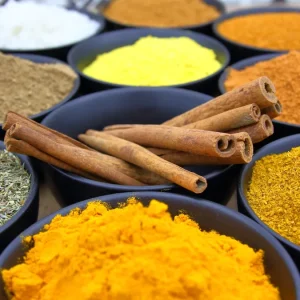
- Use spice blends without hidden sodium. Make your own mix with paprika, cumin, coriander, pepper, garlic powder, and onion powder. Check: the label if you buy a blend; many contain salt. Do not: assume “seasoning” means salt-free.
- Taste before adding salt substitutes. Potassium chloride products can be a problem for some kidney patients. Check: whether the care plan allows them. Do not: use “NoSalt” or similar products casually.
- Finish with texture. Toasted breadcrumbs, unsalted nuts when appropriate, crispy onions made without heavy salt, or a few drops of flavored oil can make a dish feel complete. Check: contrast between soft and crisp. Do not: rely on sauce alone for interest.
The visual cue is balance. A good plate has a browned edge, a fresh herb note, and a clear acid finish. A bad plate tastes one-note because everything was cooked in water and left there. Kidney-Friendly Cooking Methods — The Complete Guide works best when each layer adds something different.
Which cooking mistakes make a meal less kidney-friendly?
The most common mistakes are using packaged sodium bombs, keeping the cooking liquid when it should be discarded, and confusing “low fat” with “kidney-friendly.” A dish can be light in calories and still be rough on the kidneys if it carries a lot of sodium or phosphorus additives.
The table below flags the usual traps.
| Mistake | What it looks like | Why it is a problem | Better swap |
|---|---|---|---|
| Bouillon cubes in everything | A quick broth base | Very concentrated sodium | Unsalted stock or herb water; for kidney-specific limits, check a renal dietitian or the National Kidney Foundation guidance: https://www.kidney.org/kidney-topics/renal-diet-basics |
| Canned soup as a sauce | Thick, convenient coating | Often high sodium per serving | Make a pan sauce from onion, garlic, oil, and acid |
| “Lite salt” without approval | Salt shaker on the table | Potassium chloride can raise potassium | Use herbs and acid instead |
| Pickled or cured meat | Bacon, ham, sausage | Sodium plus additives | Fresh chicken, fish, or eggs |
| Processed cheese | Melted cheese in casseroles | Often high in sodium and phosphorus additives | Smaller amounts of fresh cheese if allowed, or skip it |
| Reusing vegetable water | Soup, sauce, or rice cooked in the same pot liquid | Potassium and sodium move back into the meal | Discard or reserve only if the plan allows it |
The detail everyone misses is phosphorus additives. They can hide in processed meats, cola drinks, and packaged foods with ingredient names that end in “-phos” or contain phosphate salts. The National Kidney Foundation and other renal sources warn about these additives because they are absorbed more readily than naturally occurring phosphorus in whole foods.
This is also where a general “healthy eating” article goes wrong. Broccoli, beans, and nuts are often praised in normal nutrition advice, but a kidney plan may need limits, portion adjustments, or preparation changes. The right method depends on the person’s lab values, dialysis status, and care plan. That is a medical detail, not a cooking preference, and it is one more reason Kidney-Friendly Cooking Methods — The Complete Guide cannot be reduced to a single rule.
How do I adapt common recipes without ruining them?
I adapt common recipes by changing the liquid, salt, and finishing step first, not by stripping out every ingredient. The goal is to keep the recipe recognizable while lowering the parts that are hard on kidney health.
A simple framework helps.
- Replace salty base liquids. Use water, unsalted broth, or homemade stock instead of regular broth.
- Reduce the seasoning packet. If a recipe calls for a full packet, start with half and build flavor with garlic, onion, pepper, and citrus.
- Change the starch method. For potatoes, consider soaking or boiling and draining instead of roasting with salty toppings.
- Use fresh or frozen vegetables. These usually give you more control than canned versions.
- Choose the right finish. A squeeze of lemon, a spoon of yogurt if allowed, or a herb oil can replace a salty sauce.
- Serve smaller portions. A 3/4-cup serving of pasta or rice often leaves more room for the rest of the plate than a heaped bowl.
Here is a practical comparison for common dishes.
| Dish type | Higher-risk version | Kidney-friendlier version |
|---|---|---|
| Soup | Canned broth, bouillon, deli meat | Unsalted broth, fresh chicken, herbs |
| Casserole | Cream soup, processed cheese, salty topping | Homemade white sauce, less cheese, herb crumbs |
| Pasta | Jarred sauce plus sausage | Garlic, olive oil, unsalted tomato sauce, herbs |
| Stir-fry | Soy-heavy sauce | Ginger, garlic, rice vinegar, small amount of low-sodium sauce if approved |
| Mashed potatoes | Salted butter and gravy | Boiled-and-drained potatoes, olive oil, garlic, pepper |
A recipe adaptation is successful when the dish still looks like the original on the plate. The sauce should cling, not flood. The vegetables should hold their shape. The seasoning should be present in layers, not as a salty hit that lands first and lasts all meal. In practice, that is how Kidney-Friendly Cooking Methods — The Complete Guide stays useful in everyday cooking.
When is a kidney-friendly method not enough?
A kidney-friendly method is not enough when the ingredient itself is the problem, not just the cooking technique. If a person has advanced chronic kidney disease, is on dialysis, or has strict potassium, phosphorus, or fluid limits, the same method can still produce the wrong meal if the ingredients are high-risk.
This is where people get tripped up: roasting a potato does not make it safe, and steaming spinach does not make it low potassium. The method can reduce the burden, but it cannot erase the ingredient. In that sense, cooking is a control tool, not a cure.
Because of that limit, Kidney-Friendly Cooking Methods — The Complete Guide should be read alongside individualized advice from a renal dietitian or nephrology team.
Consider these situations:
- A bean chili made with no added salt may still be too high in potassium or phosphorus for some plans.
- A grilled chicken sandwich can still be too salty if the bread, cheese, and condiments are loaded with sodium.
- A vegetable soup can be gentle on the stomach but still too liquid-heavy for someone on fluid restriction.
- A “heart healthy” frozen meal may be lower in fat but still high in sodium.
For people managing kidney disease, the right next step is often a registered dietitian or nephrology team review rather than another recipe swap. The medical plan sets the boundaries; the cooking method works inside them.
If you want one rule to keep, make it this: use cooking methods that let you control what stays in the pot and what gets poured off. That is the core of kidney-friendly cooking. It keeps flavor on the plate and the most troublesome minerals out of the final bite.
What should I keep in the kitchen for kidney-friendly cooking?
The most useful kitchen setup includes a colander, measuring spoons, parchment paper, a good skillet, and a few acid-forward ingredients like lemons and vinegar. Those tools make kidney-friendly cooking easier because they help you control moisture, salt, and finishing flavor without guesswork.
A practical starter list looks like this:
| Item | Why it helps | Typical use |
|---|---|---|
| Colander | Drains leached water fast | Potatoes, pasta, blanched vegetables |
| Parchment paper | Reduces sticking without extra salt | Baking fish or chicken |
| Skillet with lid | Lets you sauté, then steam briefly | Greens, onions, tofu, fish |
| Measuring spoons | Keeps oil and salt visible | Seasoning control |
| Citrus juicer | Makes acid easy to add | Finishing vegetables or fish |
| Unsalted spice jars | Keeps blends simple and readable | Dry rubs and marinades |
The best setup is not expensive; it is disciplined. A $10 set of measuring spoons does more for salt control than another bottle of specialty sauce. The point is to make the kidney-friendly method the easy method, so the meal does not drift back toward convenience seasoning.
The final check is visual: clear recipes, clear ingredients, clear liquid disposal. If the plan depends on “a little of this and a splash of that,” it is too vague for kidney cooking. Precision is the whole game here, and that precision starts before the pan heats up. Kidney-Friendly Cooking Methods — The Complete Guide ends up being less about fancy equipment than about repeatable control.
Key takeaways
- Kidney-friendly cooking is less about one “perfect” technique and more about controlling sodium, potassium, and phosphorus at each step.
- Dry heat, steaming, and careful sautéing usually make flavor easier to manage; boiling can help when you plan to drain the water.
- The cooking liquid is often the hidden problem, especially with vegetables, pasta, and soups.
- Herbs, acid, browning, and texture do the work that salt usually does.
- Processed foods, seasoning packets, and salt substitutes can undo a careful recipe fast.
- The right method still depends on the medical plan, especially for advanced kidney disease or dialysis.
Drafted with AI; not yet reviewed by a person.