Last updated: November 01, 2026
Key Takeaways
- Start with simple foods: produce, grains, lean protein, snacks, and a few usable condiments.
- Build a one-week renal cart in five passes: produce, grains, protein, snacks, then flavorings.
- A practical starter cart can be small: 2 fruits, 3 vegetables, 2 grains, 2 proteins, 2 snacks, and 3 flavor items.
- The main risk is overbuying processed “renal” products.
A Kidney Diet Grocery List for One Week: What to Buy First gives you a simple way to shop for CKD without guessing. This one-week kidney diet grocery list starts with produce, grains, lean protein, snacks, and condiments you can actually use for 7 days, and it keeps the cart focused on foods that can turn into meals. If kidney disease is part of your life, speak with a qualified professional about your own needs before you buy in bulk, because the right list can change with your lab results, medications, and stage of disease.
Who this grocery list is for
This grocery list is for someone who wants a first-pass kidney diet shopping list for one week and has not built a renal pantry yet. It assumes you already know the basics of cooking a few simple meals, can shop once a week, and want food that is generally used in kidney-friendly eating patterns without getting into stage-specific targets.
It is not for someone who needs a tightly individualized plan around potassium, phosphorus, sodium, fluid, protein, or diabetes control. Those details can change the list fast. For example, a food that fits one person’s plan may be a poor fit for another because of lab values, dialysis status, or another condition that changes nutrition needs. The National Kidney Foundation and the National Institute of Diabetes and Digestive and Kidney Diseases both explain that CKD nutrition is individualized, not one-size-fits-all. See the National Kidney Foundation’s CKD nutrition guidance and the NIDDK’s kidney disease resources.
The point here is workflow: buy a short list of foods that can become breakfast, lunch, dinner, and snacks with minimal waste. Think in categories, not recipes. A good one-week cart usually has 2 to 4 items from produce, 2 to 3 grains or starches, 3 to 5 protein choices, 2 to 4 snack foods, and a small set of condiments or flavorings. That is enough to cover repeated meals without making the cart expensive or complicated.
This page also supports the broader CKD-Safe Foods & Ingredients — The Complete Guide, which is the better next stop if you need the bigger food framework rather than the shopping version.
What should be on a kidney diet grocery list?
A kidney diet grocery list should start with simple, minimally processed foods: produce, grains, lean protein, snacks, and a few condiments you can actually use. Those categories matter more than one “perfect” food, because the shopping list has to cover breakfasts, lunches, dinners, and between-meal eating for 7 days.
A practical first cart usually looks like this:
- Produce: apples, berries, grapes, cabbage, cauliflower, carrots, cucumbers, lettuce, green beans, peppers, onions.
- Grains and starches: white or whole wheat bread, tortillas, rice, pasta, oats, unsalted crackers.
- Lean protein: eggs, skinless chicken, fish, tofu, canned tuna in water, turkey.
- Snacks: applesauce cups, plain popcorn, rice cakes, unsalted pretzels, fruit cups packed in juice if they fit the person’s plan.
- Condiments and flavor: olive oil, vinegar, lemon or lime, garlic, pepper, onion powder, low-sodium seasoning blends.
That list is intentionally plain. Plain food gives you room to season it without leaning on salty packaged meals. It also makes leftovers easier to use across several days. A 2-pound bag of rice, a loaf of bread, a dozen eggs, and a bag of apples can do a lot of work when the fridge is otherwise bare.
What I would not do is start with specialty “renal” packaged foods, because they are often pricier and still need label reading. A regular grocery list built from fresh or frozen basics is usually the better first buy. Frozen vegetables with no sauce, for example, can be easier to keep on hand than a stack of shelf-stable “diet” products.
How do I shop for a renal diet for one week?
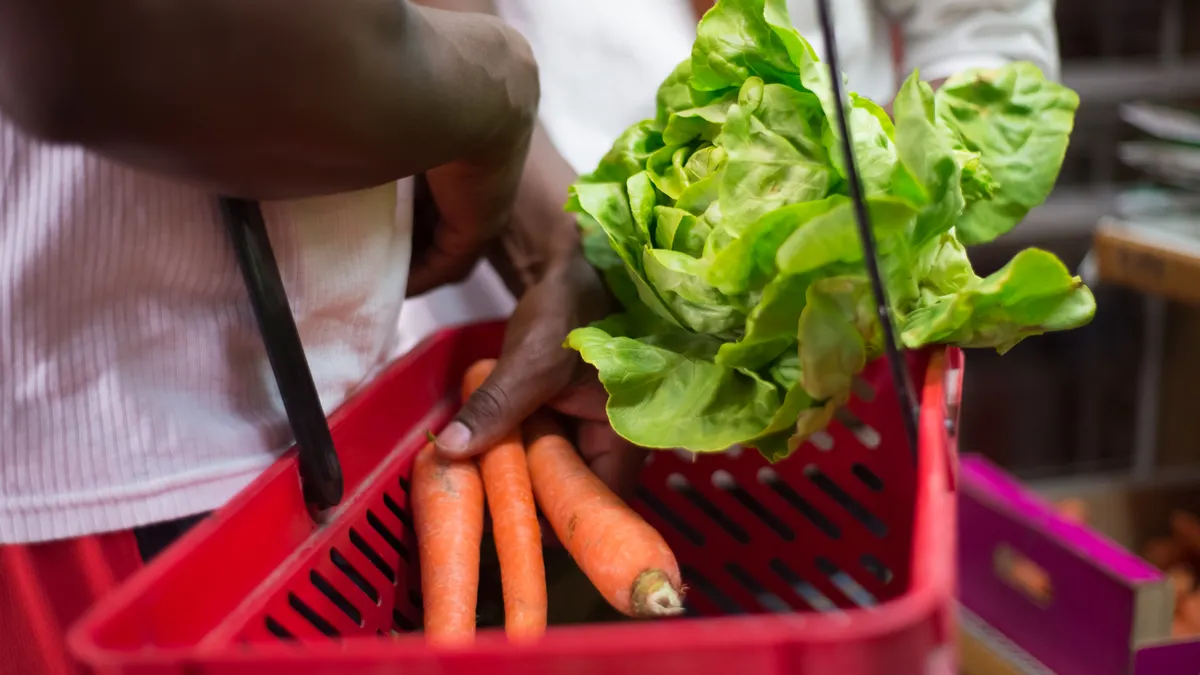
I would shop for a renal diet for one week by building one cart in five passes: produce first, then grains, then protein, then snacks, then flavorings. The order matters because it keeps the cart centered on foods that can be combined in many ways, not on random items that only solve one meal.
- Pick 3 to 5 produce items that fit your usual meals. Buy about 2 fruits and 3 vegetables, such as apples, berries, cabbage, carrots, and lettuce. Verify that the produce is usable raw or cooked within 7 days. If it bruises easily or spoils before midweek, it is a weak buy.
- Choose 2 grains or starches you can reuse. Get 1 bread or tortilla option and 1 base such as rice, oats, or pasta. Check the package for serving size and keep portions realistic, since a large package is only useful if it gets eaten before it stales. If you buy 4 different starches, the odds of waste go up.
- Add 3 to 5 protein foods with different forms. A good mix is one refrigerated protein, one frozen protein, and one shelf-stable protein such as canned tuna or beans if they fit the person’s plan. Verify the sodium on canned items and choose water-packed or low-sodium versions when possible. If the only options are heavily salted, keep looking for a lower-sodium choice or a different store.
- Build 2 to 4 snack options that do not require cooking. Plain popcorn, rice cakes, unsalted crackers, or applesauce cups are easier to manage than packaged snack kits. Check that the ingredient list is short and that the sodium on the label is not doing all the work. If a snack needs a sauce packet to taste like food, it probably belongs outside the first cart.
- Choose 3 to 6 condiments and seasonings. Use olive oil, vinegar, garlic, pepper, lemon, and a low-sodium herb blend. Verify that the seasoning does not hide sodium behind a “seasoned” label. A bottle of sodium-heavy sauce can undo the point of an otherwise careful cart.
- Plan one leftover path before checkout. Buy at least 2 items that can be reused in another meal, such as cooked chicken for wraps and salads or rice for a bowl and a side dish. Verify that you have storage containers and refrigerator space. If you cannot see a second use, the item is more likely to spoil.
- Check the cart against a 7-day meal structure. Aim for one breakfast base, one lunch base, and one dinner base that repeat with small changes. Verify that you can assemble at least 10 to 12 simple meals from the basket. If not, the cart is too narrow.
- Review labels for sodium and hidden additives before paying. On the U.S. Nutrition Facts label, sodium is listed in milligrams, and phosphorus additives often appear in ingredient lists as words with “phos.” Verify both on packaged foods. If several items are high in sodium or have additive-heavy ingredient lists, trade them for simpler alternatives.
This step-by-step method works because it builds around repeat ingredients. One bunch of carrots can become a side, a snack, or a stir-in. One package of chicken can cover two meals. One grain can do breakfast and dinner. That is the difference between a grocery list that looks good on paper and one that actually feeds someone for a week.
What food categories make the cart easier to use?
The easiest kidney diet grocery cart has a structure: 2 fruits, 3 vegetables, 2 grains, 2 proteins, 2 snacks, and 3 flavor items is enough to start. That pattern gives you enough variety to avoid boredom without creating a fridge full of leftovers.
Produce
Produce should do most of the volume work. Apples, berries, grapes, cabbage, cauliflower, carrots, cucumbers, lettuce, bell peppers, and green beans are common first-buy choices because they are easy to rinse, slice, roast, or eat raw. Frozen vegetables are useful too, especially plain green beans, cauliflower, or mixed vegetables without sauce.
The trade-off is storage life. Lettuce and berries can turn quickly, while cabbage and carrots last longer. If your week is unpredictable, lean on the longer-lasting items first and keep delicate produce to one or two picks.
Grains and starches
Grains and starches are the glue in the list. Rice, pasta, oats, bread, tortillas, and unsalted crackers are simple and familiar. A 1-pound box of pasta or a 2-pound bag of rice usually stretches across multiple meals, which helps budget planning and reduces last-minute takeout.
Whole grains are not automatically better for every person with kidney disease. Some people need to pay attention to phosphorus or potassium from certain grain products, so the label still matters. The safer general rule is simple: choose the least processed version that fits the person’s plan and is actually used up during the week.
Lean protein
Lean protein should be selected with preparation in mind. Eggs, skinless chicken, fish, tofu, canned tuna in water, and turkey are common basics. Buying 2 or 3 protein types makes it easier to rotate meals without cooking from scratch every time.
The problem with protein is portion creep. A large pack of meat can look efficient but may be too much for one person if half of it ends up in the freezer and gets forgotten. If the fridge is small or the household is one person, smaller packs are often smarter.
What mistakes do people make with a kidney grocery list?
The biggest mistake is buying a “renal” cart that is too processed. Packaged foods with long ingredient lists often bring more sodium and phosphorus additives than a simple cart of basic foods. The fix is to start with plain ingredients and season them yourself.
A second mistake is treating every healthy food as automatically kidney-friendly. Nuts, beans, dairy, and some whole-grain products can fit some plans and not others, so it is best to check the person’s own guidance or ask a renal dietitian before buying cases of anything advertised as healthy.
A third mistake is shopping for five recipes instead of seven days of meals. That creates odd leftovers, duplicate ingredients, and waste. A better method is to shop for reusable components: one grain, one or two proteins, and a few vegetables that can be repeated in different combinations.
A fourth mistake is ignoring sodium on the label because the food looks plain. Canned soups, sauces, deli meats, frozen dinners, and seasoned rice mixes can carry a lot of sodium even when the front of the package sounds harmless. The fix is to read the Nutrition Facts panel, not the marketing copy.
A fifth mistake is overbuying fragile produce. Two cartons of berries and a big bag of leafy greens can look healthy, then go bad by Thursday. If you are shopping once a week, build around durable produce like apples, cabbage, carrots, and frozen vegetables, then add a smaller amount of quick-spoiling items.
When should this standard list change?
This standard list should change when the person’s medical plan changes, when the pantry already contains kidney-safe staples, or when shopping for the week is tied to a specific symptom pattern. In those cases, the first cart needs modification rather than a generic reset.
Dialysis is part of the picture: dialysis changes nutrition needs in ways that can alter protein, fluid, and mineral choices — use the list only as a starting point and follow the person’s dialysis team guidance.
Potassium or phosphorus limits have been given: some fruits, vegetables, dairy foods, beans, and processed foods may need to be chosen more carefully — use the label and the individual care plan before buying in bulk.
Diabetes is also in the mix: carbohydrate choices and snack timing may matter more — keep the cart simple and ask for a plan that fits both kidney and blood sugar needs.
Food access is tight: if the budget only covers 5 to 7 items, the cart should prioritize low-waste staples such as oats, rice, eggs, frozen vegetables, and apples — skipping the specialty items is reasonable.
Cooking equipment is limited: if there is no oven or very little time, the cart should lean on microwaveable grains, prewashed produce, canned fish with no-salt-added options when available, and ready-to-eat snacks — complicated ingredients will not get used.
Appetite is poor or meals are skipped: large packages can backfire — buy smaller portions more often so food does not spoil before it is eaten.
What does a good one-week cart look like in real life?
A good one-week cart is one that turns into 10 to 12 simple meals without a second emergency trip to the store. It usually includes 1 or 2 fruits, 2 to 4 vegetables, 2 grains, 2 or 3 proteins, a snack or two, and 3 or 4 seasonings that make the same foods taste different.
Here is the kind of shape that works:
- Fruit: apples and berries
- Vegetables: cabbage, carrots, frozen green beans
- Grains: rice and bread
- Protein: eggs and chicken
- Snacks: unsalted crackers and applesauce
- Condiments: olive oil, vinegar, garlic powder, pepper
That is enough to make oatmeal and fruit; eggs with toast; rice with chicken and vegetables; a salad with crackers and fruit; and a simple soup or bowl if the person already has a broth or stock that fits their plan. The list is short, but it is not skinny. It covers breakfast, lunch, dinner, and snack gaps without needing a cookbook to survive the week.
What makes this a good result is not novelty. It is repeatability. If the same ingredients can appear in two or three different meals, the cart is doing its job.
What should I buy first if I am starting from zero?
Buy produce, grains, one or two proteins, and a few plain snacks first, then add condiments after the base foods are in the cart. That order gives the most meal coverage with the least waste.
If the kitchen is empty, I would start with these 10 basics:
- Apples or another sturdy fruit
- A second fruit, if budget allows
- Carrots or cabbage
Drafted with AI; not yet reviewed by a person.