Last updated: November 01, 2026
Key Takeaways
- Most cooked leftovers stay best for 3 to 4 days in a 40°F (4°C) fridge.
- Cool kidney diet meal prep in shallow portions, then refrigerate within 2 hours.
- Most renal diet meals can be frozen after cooling and used later for best quality.
- Reheat leftovers until steaming hot, with 165°F (74°C) in the center for most foods.
Kidney diet meal prep leftovers are safe to use when they are cooled quickly, stored cold, and reheated all the way through. If a person has advanced kidney disease, is on dialysis, or has been told to follow a fluid, potassium, phosphorus, or sodium restriction, the details can change, so a qualified clinician or renal dietitian should confirm the plan for that situation. This article focuses on food safety and quality for leftovers, not on meal plans or container shopping, and it assumes the reader already has cooked food such as rice, chicken, vegetables, or a full meal prep batch ready to store.
Who this is for — and who should do something else
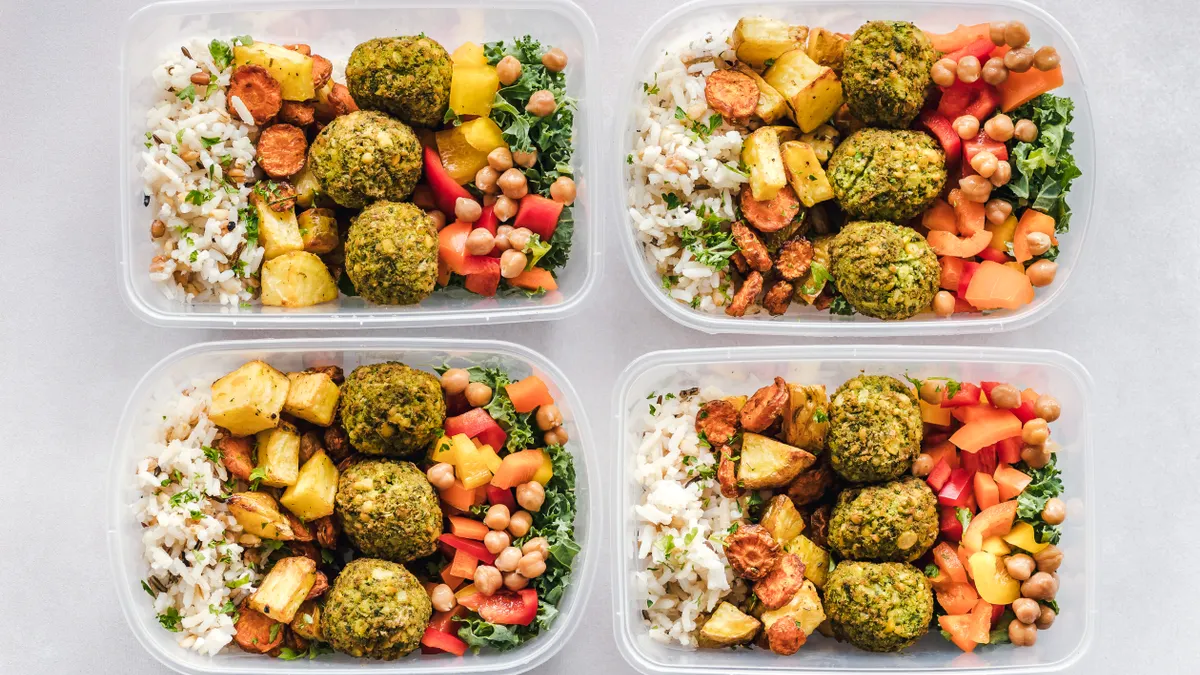
This is for a person who cooks kidney-friendly meals in batches and wants to keep leftovers safe for 1 to 4 days, or longer in the freezer, without turning dinner into a food-safety gamble. It assumes the person has a working refrigerator set at 40°F (4°C) or below, a freezer, and ordinary leftover containers with lids. It also assumes the food was cooked properly in the first place.
It is not for someone trying to rescue food that sat out too long, smells off, or has visible spoilage. It is also not the right approach for anyone whose kidney diet needs very specific texture or electrolyte adjustments after hospitalization, major appetite changes, or dialysis schedule changes. Food safety rules are broad; renal nutrition needs are individual. When the diet is medically narrow, a renal dietitian or other qualified clinician should help decide whether a leftover is actually a good fit.
For kidney diet meal prep leftovers, the main question is not “Can I keep this?” It is “How fast can I cool it, how cold can I hold it, and how cleanly can I reheat it?” That framing matters because cooked rice, cooked chicken, soups, pasta, and casseroles fail in different ways. Rice and pasta can dry out or clump. Chicken can become unsafe if it lingers warm too long. Saucy dishes usually store better than crisp foods, but only if they are cooled and refrigerated correctly.
If a meal prep routine already exists, this guide fits into it without changing the menu. It supports the broader CKD-Safe Foods & Ingredients — The Complete Guide by showing how to keep cooked food usable after the first serving.
How long can kidney diet leftovers stay in the fridge?
Most cooked leftovers keep best in the refrigerator for 3 to 4 days, as long as the fridge stays at 40°F (4°C) or below. That rule applies to kidney diet leftovers too, including cooked chicken, cooked rice, vegetables, and mixed meal prep boxes. The USDA and FoodSafety.gov both give similar guidance for refrigerated leftovers. USDA FoodSafety.gov
The refrigerator clock starts when the food stops steaming, not when it is reheated later. If a batch was made on Monday night, labeled, and chilled promptly, it is usually a Thursday or Friday food, not a weekend mystery container. A cooler fridge does not make unsafe food safe again; it only slows spoilage. A temperature above 40°F can shorten the safe window.
The best practical use of that 3- to 4-day window is to portion leftovers as soon as they are cool enough to handle, then keep the newest containers behind the oldest ones. First in, first out is not just warehouse language; it can help prevent “forgotten back corner” food, though it is a household organization method rather than a food-safety guarantee. A masking tape label with the cook date helps. Without a date, people guess. Guessing is how rice and chicken get pushed past the safe window.
This rule is about safety, not perfection. Some foods may still look and smell fine on day 5, but appearance is not a reliable safety test. On a kidney diet, the cost of throwing out a container once in a while is usually lower than the cost of taking a chance on questionable food. When in doubt, discard it.
How do I cool and store kidney diet meal prep safely?
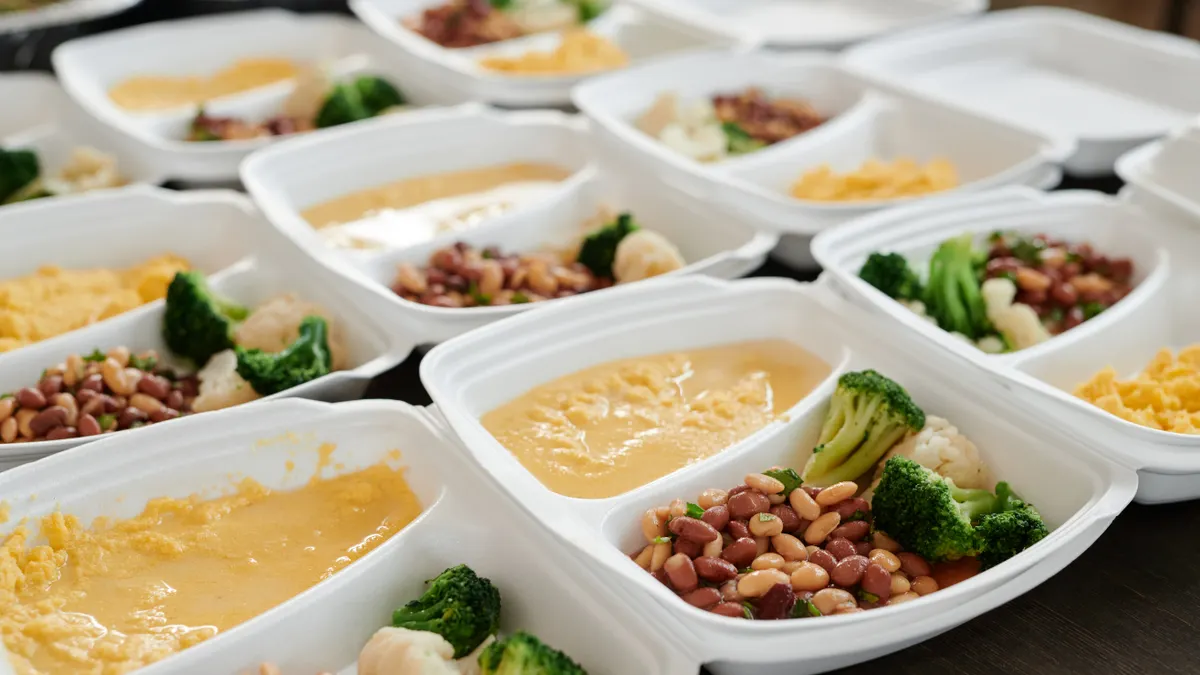
Kidney diet meal prep stores safely when it is cooled in shallow portions, covered only after steam drops, and moved to the refrigerator within 2 hours. The practical goal is to get food out of the temperature danger zone, the range where bacteria grow fastest, without leaving it on the counter while you “deal with it later.” USDA and CDC guidance both support fast cooling and prompt refrigeration. USDA CDC
- Divide the cooked food into shallow containers right away. Use containers no deeper than about 2 inches for dense foods like rice, pasta, and casseroles. Verify that the food is spread out rather than packed into one deep mass. A single deep pot of soup that stays warm for hours is a problem.
- Let steam escape for a short time before sealing. Leave lids ajar or off briefly until the visible steam drops, usually about 10 to 20 minutes for a normal batch. Verify that condensation is not collecting heavily on the lid. If the food is still piping hot enough to fog the container instantly, it needs more time before the lid goes on.
- Move the food into the refrigerator within 2 hours of cooking. If the room is hot, 90°F or above, the window is shorter. Verify that the food is no longer sitting on the counter once that limit passes. A forgotten tray is a stop sign, not a “chill it later” situation.
- Set the refrigerator to 40°F (4°C) or below. Use an appliance thermometer if the built-in dial is vague. Verify the temperature, not the setting. If the fridge runs warm, leftovers age faster and the safe window shrinks.
- Label each container with the cook date. Use tape and a marker, even for familiar foods like chicken and rice. Verify that the date is readable before stacking containers. If the label is missing, the container becomes a guess, and guesswork wastes food or creates risk.
- Store raw meat, poultry, and fish below ready-to-eat leftovers. Keep raw juices from dripping onto cooked food. Verify that cooked meal prep is on upper shelves or in a separate drawer. A leak from raw chicken onto a cooked casserole means the casserole is contaminated.
- Portion before chilling when possible. Smaller servings cool faster and reheat more evenly than a whole pot. Verify that each portion is about one meal, not a family-size block. If the center of the food stays hot long after the edges cool, the portion is too large.
- Refrigerate or freeze what will not be used soon. If the food will not be eaten within 3 to 4 days, move it to the freezer while it is still at good quality. Verify that the freezer is at 0°F (-18°C) or below. If freezer burn begins, the food may still be safe but the texture can suffer.
The biggest safety trade-off here is quality versus convenience. Very cold, very shallow storage protects food, but it can dry out rice, pasta, and chicken faster. Sauces help; a tight seal helps; so does freezing extra portions before the fourth day arrives. What should not happen is leaving a big pan on the counter so the last serving can “cool off naturally.” That is how leftovers go from useful to questionable.
Can I freeze renal diet meals?
Yes, most renal diet meals freeze well if they are cooled first, packed tightly, and used for quality within a reasonable time. The freezer keeps food safe much longer than the refrigerator because it stops bacterial growth, but it does not preserve texture forever. USDA says frozen food stays safe indefinitely, though quality declines over time. USDA
Cooked chicken freezes better than many people expect if it is sliced, sauced lightly, and sealed well. Cooked rice also freezes well, though it can become dry if stored in a loose container with lots of air. Soups, stews, and casseroles usually freeze more successfully than raw vegetables with high water content, which can turn mushy after thawing. That is a quality issue, not usually a safety issue.
For meal prep, freezing makes the most sense when the food will not be eaten within 3 to 4 days. Pack single-meal portions so one container can be thawed at a time. Flat freezer bags can save space, but any container must be leak-resistant and freezer-safe. If the container cracks, air gets in, and freezer burn speeds up.
A freezer works best at 0°F (-18°C) or below. If a freezer is packed too full, air circulation can suffer. If it is too empty, temperature swings can happen each time the door opens. Food safety is still possible either way, but stable storage is easier with a reasonable load and a door that stays closed.
Do not freeze leftovers that already sat too long in the refrigerator. Freezing does not erase time. It only pauses it. If a container has already crossed the safe refrigerated window, freezing it late just preserves a problem.
How should I reheat meal prep safely?
Meal prep should be reheated until it is steaming hot throughout, with a food thermometer showing 165°F (74°C) in the center for most leftovers. That standard comes from common food-safety guidance used for reheated cooked foods. For kidney diet leftovers, reheating is not just about warmth; it is about bringing the whole portion back to a safe temperature without drying it out or leaving a cold center. USDA recommends 165°F for leftovers, and FDA food code guidance points in the same direction for hot holding and reheating. USDA FDA
Use a microwave, stovetop, or oven based on the food. Microwaves work well for single portions if the food is covered loosely, stirred halfway through, and allowed to stand for a minute or two after heating. Stovetop reheating suits soups, rice, and sauces that can be stirred easily. Ovens work for casseroles and baked dishes, though they take longer. Whatever the method, the center should be hot, not merely the edges.
Stirring matters because microwaves heat unevenly. A bowl of rice can be hot on top and cool in the middle. Chicken pieces tucked under sauce can stay cold longer than the sauce itself. The thermometer belongs in the thickest part of the food, not in the spoonable edge.
Only reheat what will be eaten. Repeated heating and cooling degrades texture and raises the chance of sloppy handling. If the meal will be split into two portions, heat one and keep the other cold until needed. When reheated leftovers have sat at room temperature for more than 2 hours, or 1 hour in very hot conditions, the safer move is usually to discard them.
The mistakes people actually make, and what they cost
The most common mistake is cooling a large batch too slowly. A deep pot of chicken and rice can stay warm for hours, which gives bacteria time to grow. The better alternative is to portion it into shallow containers or a sheet pan before refrigerating.
Another mistake is treating the refrigerator like a long-term holding tank. A container pushed to the back can linger for a week because nobody remembers it. The cost is simple: food quality drops, and safety gets harder to judge. Date labels and a first-in, first-out arrangement solve that problem, but a dietitian or food-safety professional can help if a household has special medical needs or unusually limited kitchen access.
A third mistake is reheating only until “warm enough to eat.” That leaves cold spots in dense foods like rice, chicken, and casseroles. The correct alternative is to reheat thoroughly, then check the center. If the middle is still cool, keep heating.
A fourth mistake is freezing food after it has already gone questionable in the refrigerator. Freezing does not clean up a bad timeline. It only freezes the timeline. If a container has missed its refrigerator window, the freezer is not a rescue tool.
A fifth mistake is mixing new food into old food without cooling the new batch first. That raises the temperature of the older leftovers and can shorten their safe life. The right move is to cool the new batch before combining it, if combining makes sense at all.
A sixth mistake is assuming visual clues are enough. A container can look fine and still be unsafe. For kidney diet meal prep, especially with cooked rice and chicken, time and temperature beat guesswork every time.
When should leftovers be thrown out instead of saved?
Leftovers should be discarded when the time, temperature, or handling history is uncertain enough that safety can no longer be trusted. That is the correct call in several specific situations.
It sat out longer than 2 hours: The food has spent too much time in the temperature danger zone — discard it, even if it looks and smells normal.
The room was very hot, around 90°F or above, and the food sat out more than 1 hour: Heat speeds bacterial growth — discard it rather than trying to “save” it.
The fridge was warm, above 40°F (4°C), for an unknown period: Storage conditions were not controlled — discard questionable leftovers and check the appliance temperature before refilling it.
The container lid was loose, cracked, or the food leaked onto other food: Cross-contamination may have happened — discard the affected item and clean the spill area.
The food smells sour, rancid, or just “off”: Spoilage is likely, and smell is a warning sign — discard it. Kidney-safe or not, it is no longer a safe meal.
The food was reheated, then left out again: Repeated warming and cooling raises risk — discard what was left unrefrigerated after reheating.
These are not perfectionist rules. They are the points where the leftover has stopped being a leftover and become a judgment call no one should make by smell alone. If a clinician has given a person a very narrow renal diet and food access is limited, that person still should not override food-safety rules; the answer is to plan smaller batches, not to stretch unsafe food.
The edge cases that change the rules
The standard routine needs modification when the food is dense, the kitchen is hot, or the person’s kidney diet has extra medical constraints. Dense foods cool more slowly than thin ones. A thick pot of beans, rice, or stew may need to be split into several 1- to 2-inch layers before refrigeration. That is not fussy; it is the difference between a safe center and a warm core.
Mixed dishes are another edge case. A casserole with cheese, chicken, and rice may appear uniform, but the center heats and cools differently from the edges. The answer is to store it in smaller portions and reheat each portion thoroughly, not to rely on one quick microwave pass.
Drafted with AI; not yet reviewed by a person.