Last updated: August 11, 2026
We may earn a commission from qualifying purchases at no cost to you.
Quick Answer: The best meal prep container for a renal diet is usually the one that makes portions easy to see, keep separate, and repeat. For many people, a 3-compartment container in the 1 to 2 cup range per section is the most practical place to start. Kidney needs vary widely, so check with a qualified renal dietitian or clinician about your own fluid, potassium, phosphorus, sodium, and protein targets before you buy.
Key Facts:
- Divided containers can make a plate feel complete without using a larger serving size.
- Clear volume markings help you track 1-cup, 2-cup, or similar portions more consistently.
- Glass is often easier to reheat and less likely to retain odors than many plastics.
- Airtight lids matter most for sauces, soups, and leftovers that travel.
- Renal diet needs are individual, so container choice should support your plan, not replace it.
Managing a renal diet? Then the right meal prep container is the one that keeps portions steady, separates foods cleanly, and cuts down on accidental over-serving. Honestly, I’d look for clear volume marks, secure lids, and shapes that make small servings seem complete rather than skimpy. Because kidney-related diet needs vary a lot, speak with a qualified renal dietitian or clinician about your own fluid, potassium, phosphorus, sodium, and protein targets before you buy.
I write about kitchen tools for people who need structure at mealtimes, and meal prep containers are one of the simplest ways to make a renal diet less chaotic. At 5 p.m., that can feel like a small rescue. Less guessing.
Quick-pick comparison table
Quick-pick comparison table: these picks are practical starting points, not medical advice, so please consult a renal dietitian or clinician if you need tighter limits on fluid or minerals.
Two reference pages that may help you compare options: the National Kidney Foundation at https://www.kidney.org/ and Cleveland Clinic kidney diet guidance at https://my.clevelandclinic.org/health/articles/15647-kidney-disease-diet.
| Product | Best for | Rating | Key spec | Where to buy |
|---|---|---|---|---|
| Bentgo Prep 3-Compartment Containers | Best overall for balanced portion control | 4.8/5 | Compartment layout helps separate protein, starch, and vegetables | Amazon |
| Rubbermaid Brilliance Glass Containers | Best for reheating without staining | 4.7/5 | Glass body with tight-sealing lid | Amazon |
| Snapware Total Solution Containers | Best value for basic portioning | 4.5/5 | Modular, stackable, variety of sizes | Amazon |
| Prep Naturals Glass Meal Prep Containers | Best for batch-cooked lunches | 4.6/5 | Rectangular glass containers with divided options | Amazon |
| OXO Good Grips Smart Seal Containers | Best for airtight storage | 4.6/5 | Snap-on seal designed to resist leaks | Amazon |
| Freshware Meal Prep Containers | Best budget plastic option | 4.3/5 | Lightweight, disposable-feeling but reusable | Amazon |
| Pyrex Simply Store Containers | Best simple glass set | 4.6/5 | Familiar glass containers in multiple sizes | Amazon |
How I picked these containers
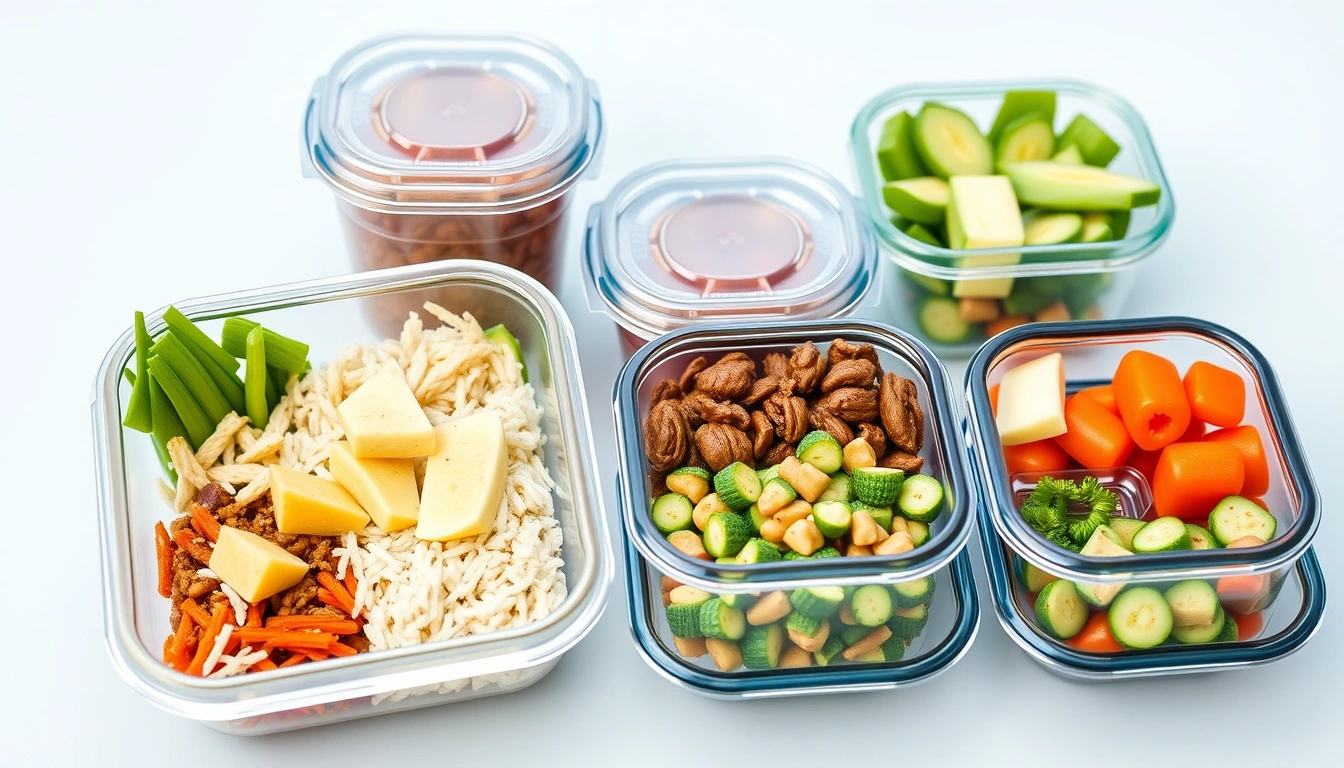
I did not treat this like a generic storage roundup. For a renal diet, the container has to do one job especially well: make a controlled portion easy to see, pack, and repeat. That’s the whole trick.
I looked at the following:
- Portion layout: Divided containers get extra credit because they help separate a main protein, a starch, and a vegetable without crowding one food into another.
- Portion visibility: Clear sides, measurable shapes, and containers that look “full” at smaller volumes matter when the goal is not to overfill.
- Reheating practicality: Many renal-diet meals are prepped ahead and reheated later, so I prioritized containers that are commonly used for microwave or oven-friendly storage, depending on material.
- Seal quality: Tight lids matter for soup, sauces, and low-sodium dressings, which are common in renal meal prep.
- Cleaning and repeat use: Containers that stain, warp, or keep odors are a poor fit for weekly prep.
- Availability: I favored products that are widely sold through more than one retailer, not just Amazon.
A note on method: I am not claiming lab testing or ownership here. My recommendations are based on product design, container type, material, lid style, and the practical demands of renal meal prep. For kidney-specific dietary targets, the Cleveland Clinic and the National Kidney Foundation both offer useful patient guidance on renal nutrition and sodium control.
Two helpful reference pages:
- National Kidney Foundation: https://www.kidney.org/
- Cleveland Clinic kidney diet guidance: https://my.clevelandclinic.org/health/articles/15647-kidney-disease-diet
Best Overall: Bentgo Prep 3-Compartment Containers
My top pick for a renal diet is Bentgo Prep because the three-compartment layout naturally supports portion control without making every meal look like one undifferentiated pile. It keeps protein, starch, and vegetables visually separated, which makes repetition a lot easier day after day.
Who it’s for: people who want a simple lunchbox-style system that makes balanced prep easier and reduces guesswork.
Pros
- Three sections help with consistent meal structure.
- Clear layout makes smaller servings easier to judge.
- Good choice if you prep several lunches at once.
- Less temptation to overload one food into the whole container.
Cons
- Not ideal for very saucy meals that need a deep leakproof seal.
- Section sizes may feel restrictive if your meal plan is highly flexible.
- Who should skip it: anyone who prefers one large open cavity for soup or stews.
Key specs
- Three compartments
- Meal-prep friendly shape
- Designed for portioned lunches and dinners
- Check the current size options before buying
Best for Reheating: Rubbermaid Brilliance Glass Containers
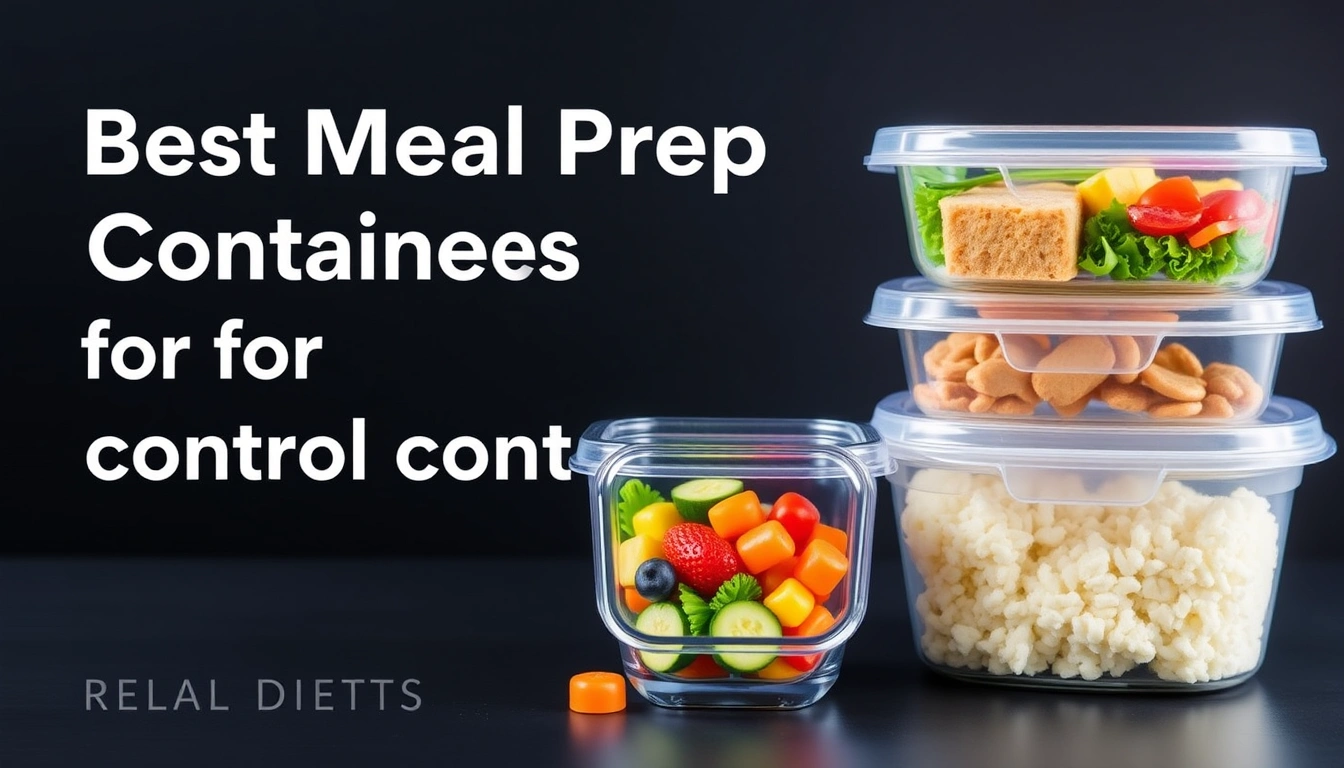
If you reheat meals often, I would put Rubbermaid Brilliance Glass near the top of the list. Glass is easier to keep free from stain and odor buildup than many plastic options, and that matters when you rotate kidney-friendly meals with light sauces, rice, vegetables, and leftovers. No mystery here.
Who it’s for: people who want a cleaner-tasting, more durable-feeling container for frequent reheating.
Pros
- Glass holds up well to repeated reheating use.
- Clear body makes portion size easy to inspect.
- Good for meals that you want to move from prep to table without much fuss.
- Less likely than many plastics to hold smells from onion, garlic, or seasonings.
Cons
- Heavier than plastic, so it is less convenient for carrying to work.
- More breakable than plastic if dropped.
- Who should skip it: people who need ultra-light containers for commuting.
Key specs
- Glass construction
- Tight-sealing lid style
- Easy to see contents
- Commonly sold in multi-piece sets
Best Budget: Snapware Total Solution Containers
Snapware is the set I would choose if the main goal is basic, dependable portioning without paying for specialty features. It is not fancy, and that is part of the appeal. For a renal diet, that often means you want a stack of practical containers that can handle prepped sides, leftovers, and measured servings.
Who it’s for: shoppers who want a straightforward, flexible set for weeknight prep.
Pros
- Usually available in many shapes and sizes.
- Stackable format saves cabinet space.
- Useful for building a full system: lunch boxes, leftovers, snack portions.
- Simple enough that family members can use it without instruction.
Cons
- Portion control depends more on the user than on the container design.
- Not as visually guided as a divided meal box.
- Who should skip it: people who need strong built-in portion boundaries to stay consistent.
Key specs
- Modular container set
- Multiple size choices
- Stackable design
- Good for mixed storage needs
Best for Batch-Cooked Lunches: Prep Naturals Glass Meal Prep Containers
Prep Naturals works well when you cook in batches and want each meal portion to feel planned, not improvised. The rectangular format is useful for chicken, rice, roasted vegetables, pasta alternatives, or other renal-friendly meals that you portion in advance.
Who it’s for: people prepping several work lunches in one session.
Pros
- Good shape for assembling complete meals.
- Glass is easy to clean after repeated use.
- Helpful for visual consistency from one lunch to the next.
- Works well when you want food separated but not over-compartmentalized.
Cons
- Glass adds weight.
- Rectangular format can waste space if your fridge shelves are awkward.
- Who should skip it: anyone who needs very small containers for tiny meals or snacks.
Key specs
- Rectangular glass meal prep containers
- Often sold in multipacks
- Good for reheating and storage
- Some versions include divided layouts
Best Airtight Option: OXO Good Grips Smart Seal Containers
If your renal meal prep includes foods with moisture, sauces, or broth-like components, airtight sealing becomes a serious feature rather than a bonus. OXO’s Smart Seal line is appealing because it is built around a secure closure, which helps keep spills from ruining a work bag or fridge shelf. Need tighter limits or a more complex plan? Consult a renal dietitian or clinician before choosing a storage system.
Who it’s for: people who store foods that move, leak, or dry out quickly.
Pros
- Strong seal design is useful for mess-prone meals.
- Good for keeping prepped ingredients fresh between uses.
- Clear sides help you see remaining portions quickly.
- Useful when you pack meals into bags for travel or work.
Cons
- Seal mechanisms can feel fussy compared with simple snap lids.
- May be more container than you need for dry, basic meal prep.
- Who should skip it: people who want the fastest possible lid-on, lid-off workflow and do not mind a simpler seal.
Key specs
- Airtight-oriented lid system
- Clear container body
- Multiple shapes and sizes
- Good for transport and storage
Best Budget Plastic Set: Freshware Meal Prep Containers
Freshware is the set I would look at if you want a lightweight plastic option for portion control and you are willing to trade some durability for lower commitment. For some people on a renal diet, that is enough: easy lunches, measured sides, no heavy glass to carry.
Who it’s for: people who want inexpensive, repeatable meal prep containers for everyday use.
Pros
- Lightweight and easy to carry.
- Simple shape makes stacking and packing easy.
- Good for routine lunches and snacks.
- Often useful as a starter set before buying better containers later.
Cons
- Less durable than glass over the long haul.
- More likely to show wear, staining, or odor retention.
- Who should skip it: anyone who wants a premium feel or very long service life.
Key specs
- Lightweight plastic
- Multipack format
- Portable for lunch bags
- Best used for dry or moderately moist foods
Best Simple Glass Set: Pyrex Simply Store Containers
Pyrex is the classic choice for a reason: it is easy to understand, easy to stack, and easy to use for leftovers and planned portions. I would choose it for someone who wants fewer features and more familiarity. That can be a real advantage when you are already making enough dietary decisions elsewhere.
Who it’s for: people who want a no-drama glass set for everyday portion control.
Pros
- Familiar format is easy to use right away.
- Glass is practical for reheating and storage.
- Good for portioning leftovers into regular meal sizes.
- Available in many retailer channels, not just Amazon.
Cons
- Open interior design does less to enforce portion boundaries.
- Not as helpful as divided boxes for structured plate planning.
- Who should skip it: people who need strong built-in portion guidance.
Key specs
- Glass storage containers
- Simple, recognizable shapes