Last updated: August 11, 2026
- Best Value Blend: Trader Joe’s 21 Seasoning Salute Verdict: Twenty-one herbs and spices, 0 mg sodium, under $2.50 a jar.
- Replacing blends every 6 to 12 months gives you better flavor with less seasoning overall.
- Dash) has been the reference standard for salt-free renal cooking for over 30 years and is free of potassium chloride.
- Trader Joe’s 21 Seasoning Salute costs under $2.50 per jar and delivers 21 herbs and spices with 0 mg sodium.
We may earn a commission from qualifying purchases at no cost to you.
I’ve written about renal nutrition for several years. I am not a dietitian, and nothing here is personal medical advice — please work with a registered dietitian or nephrologist before changing how you season food on a kidney disease diet.
Dash Original Blend has been the reference standard for salt-free renal cooking for over 30 years — and yet half the “kidney-friendly” seasonings on store shelves still contain potassium chloride, which the National Kidney Foundation flags as potentially dangerous for CKD patients. That gap is what this guide is for: finding what’s actually safe, not just what’s marketed as safe.
- The National Kidney Foundation warns that potassium chloride-based salt substitutes may be harmful for people with CKD.
- Every product in this guide contains 0 mg sodium per serving.
- Phosphate additives in processed seasoning blends are absorbed more efficiently than naturally occurring phosphorus — a meaningful difference when kidneys can’t regulate phosphorus levels.
- Dash Original Blend (formerly Mrs. Dash) has been the reference standard for salt-free renal cooking for over 30 years and is free of potassium chloride.
- Trader Joe’s 21 Seasoning Salute costs under $2.50 per jar and delivers 21 herbs and spices with 0 mg sodium.
- A label reading “5 mg sodium per ¼ tsp” can reach 30–45 mg per meal once you season the way most people actually cook.
- Plain garlic powder and onion powder (not garlic salt or onion salt) are widely recommended by renal dietitians as safe, sodium-free flavor builders.
Quick-Pick Comparison Table
| Product | Best For | Rating | Key Spec | Where to Buy |
|---|---|---|---|---|
| Mrs. Dash Original Blend (now Dash) | Best Overall | ⭐⭐⭐⭐⭐ | 0 mg sodium, no potassium chloride | Amazon |
| Badia Complete Seasoning (Salt-Free version) | Best Budget | ⭐⭐⭐⭐ | 0 mg sodium, wide herb-spice profile | Amazon |
| Spice Hunter Salt-Free Blends | Best for Variety | ⭐⭐⭐⭐ | Multiple cuisine-specific blends, no fillers | Amazon |
| Simply Organic All-Season Salt-Free | Best Organic Pick | ⭐⭐⭐⭐ | USDA certified organic, no potassium chloride | Amazon |
| McCormick Perfect Pinch Salt-Free | Best Widely Available | ⭐⭐⭐⭐ | 0 mg sodium, grocery-store accessible | Amazon |
| Trader Joe’s 21 Seasoning Salute | Best Value Blend | ⭐⭐⭐⭐ | 21 herbs and spices, 0 mg sodium | Trader Joe’s stores |
| Flavor God Seasonings (salt-free line) | Best for Flavor Depth | ⭐⭐⭐⭐ | Gluten-free, no fillers, bold profiles | Amazon |
Check current prices before purchasing — costs fluctuate and vary by retailer.
How Were These Low-Sodium Spice Blends for Kidney Disease Selected?

These criteria reflect what actually matters on a renal diet. Each one maps to a real clinical risk, not just label aesthetics.
Sodium content: Every product here contains 0 mg or negligible sodium per serving. Labels and brand websites were cross-referenced directly — retailer descriptions sometimes lag behind reformulations and can’t be trusted alone.
Potassium chloride check: This is the issue most roundups skip entirely. Many “salt substitute” products simply swap sodium chloride for potassium chloride. Elevated potassium — hyperkalemia — is a serious, potentially life-threatening concern for anyone with kidney disease; their kidneys can’t excrete it the way healthy kidneys do. The National Kidney Foundation explicitly warns that salt substitutes containing potassium chloride may be harmful for people with CKD. Every product on this list either has no potassium chloride at all or is flagged clearly where potassium content needs your dietitian’s sign-off.
Phosphorus additives: Processed seasonings sometimes contain phosphate-based anti-caking agents. Kidneys compromised by CKD clear phosphorus less efficiently, and phosphate additives are absorbed more readily than the phosphorus in whole foods. Products with “phosphate” anywhere in the ingredient list didn’t make the cut.
Ingredient transparency: Short, readable ingredient lists. No “natural flavors” masking undisclosed sodium sources.
Availability: Products should be findable — at major grocery chains, online, or both. A list that only works if you live near one specialty retailer isn’t useful to most readers.
Best Overall: Dash Original Blend (formerly Mrs. Dash)
Verdict: The most recognizable name in salt-free cooking, and genuinely earned. Dash Original is the reference point against which most low-sodium spice blends for kidney disease get measured.
Onion, garlic, spices, citrus peel — the ingredient list is straightforward and raises no red flags on a renal diet. Flavor-wise, it’s savory and versatile: works on chicken, fish, vegetables, eggs. Honestly, it doesn’t try to mimic salt, which is actually the right call. It tastes like well-seasoned food rather than a compromise, and that’s a meaningfully different goal.
A good fit for: Anyone starting out on a low-sodium renal diet who wants something proven and stocked at virtually every grocery store in the country.
Pros
- 0 mg sodium per serving
- No potassium chloride
- No phosphate additives
- Stocked at pharmacies, grocery stores, Walmart, and Amazon
- Affordable
Cons
- The Original Blend’s flavor skews mild — people accustomed to heavily seasoned food may find it underwhelming at first
- Fairly generic herb profile; don’t expect regional flavor distinctions
- The citrus note divides people; some find it doesn’t work in every dish
Key Specs:
– Sodium: 0 mg per serving
– Potassium chloride: Not present
– Phosphate additives: None listed
Compare the current price on Amazon or check your local Walmart, where it’s commonly stocked in the condiments aisle.
Best Budget: Badia Salt-Free Complete Seasoning
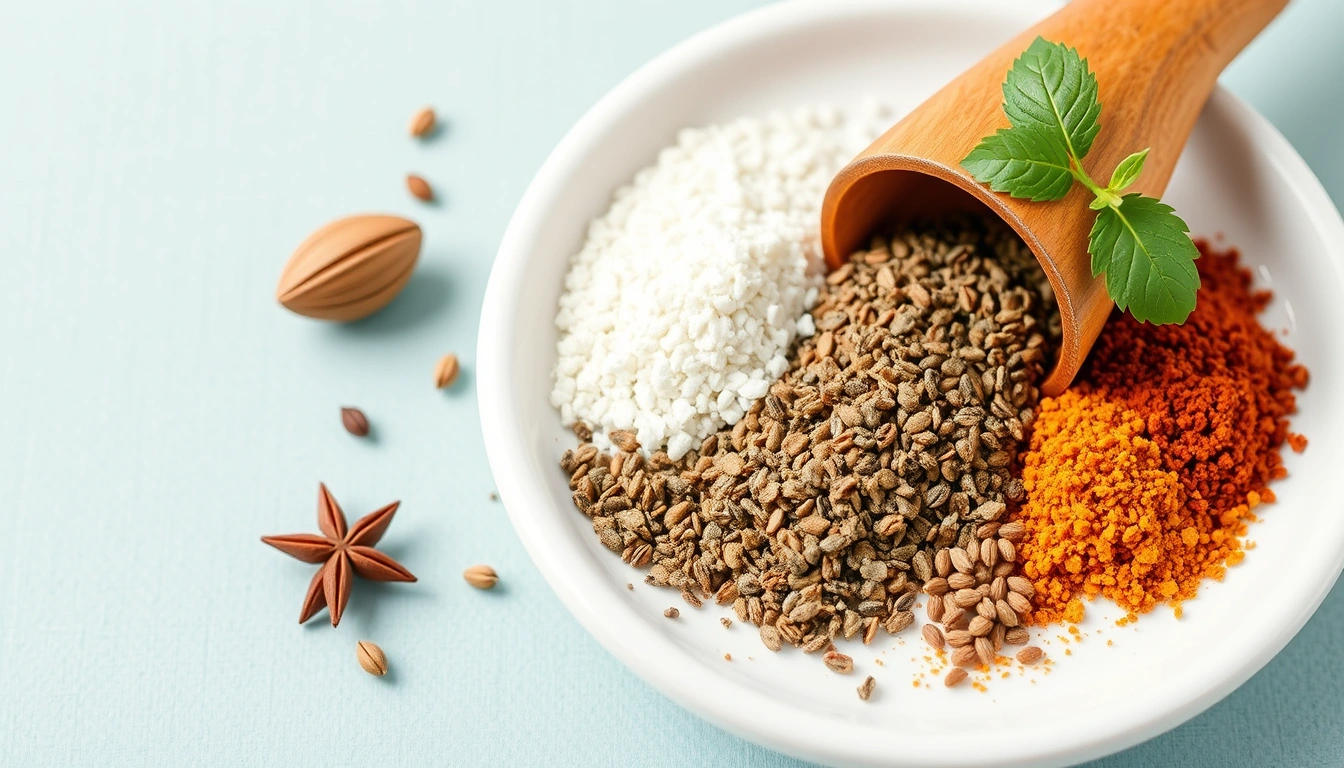
Verdict: Badia’s salt-free line punches well above its price point — a Latin-inspired blend of oregano, cumin, garlic, onion, and black pepper that adds real complexity to rice dishes, beans, and meats without a trace of hidden sodium or potassium chloride.
Households cooking Latin or Caribbean food will especially appreciate it. Traditional adobo carries a heavy sodium load; this blend delivers similar depth without it.
A good fit for: Budget-conscious shoppers and anyone cooking cuisines where cumin and oregano are foundational.
Pros
- Among the most affordable salt-free blends per ounce
- Versatile enough for most savory cooking
- Clean ingredient list
- Available at Latin grocery stores, Walmart, and Amazon
Cons
- The cumin-forward flavor doesn’t translate to delicate dishes — white fish or eggs, for instance
- Some retail listings conflate the salted and salt-free versions; confirm you have the right one before buying
- Packaging looks nearly identical to the regular salted version; check the label every time
Compare the current price on Amazon or at your local Latin grocery, where it’s often cheaper.
Best for Variety: Spice Hunter Salt-Free Blends
Verdict: Most brands offer one, maybe two, salt-free options. Spice Hunter built an entire line of cuisine-specific blends — Italian, Cajun, Greek, and more — so you can actually cook different things rather than tasting the same herbs on every protein.
Flavor fatigue on a long-term renal diet is real. Eating becomes a chore faster than most people expect. Rotating through a set of low-sodium seasonings for kidney disease is one of the more practical answers to that specific problem.
A good fit for: Cooks who rotate through varied cuisines and have reached the point where one all-purpose blend no longer feels like enough.
Pros
- Multiple cuisine-specific profiles under one brand
- No potassium chloride across the salt-free line
- Clean ingredients without fillers or phosphate additives
- Available on Amazon and specialty food retailers
Cons
- More expensive per jar than budget brands
- Rarely stocked in physical grocery stores — usually an online purchase
- Quality varies across blends; the Cajun option, specifically, is noticeably milder than traditional Cajun seasoning
Key Specs:
– Sodium: 0 mg per serving
– Potassium chloride: Not present
– Available as individual blends or variety packs
Compare the current price on Amazon. The brand’s own website sometimes offers bundle pricing worth checking.
Best Organic Pick: Simply Organic Salt-Free All-Season
Verdict: USDA-certified organic is the obvious draw here — but there’s a practical reason it matters beyond preference. Conventionally dried spices can carry anti-caking agents and processing aids in trace amounts, which is a legitimate concern when managing CKD, even if most healthy people wouldn’t give it a second thought.
The flavor profile leans herby and Mediterranean: thyme, rosemary, garlic, onion. Roasted vegetables and poultry are where it performs well.
A good fit for: People on a renal diet who also want to minimize additive exposure and are willing to pay a modest premium for certified organic ingredients.
Pros
- USDA certified organic
- No potassium chloride
- No phosphate-based additives
- Widely available at natural food stores and on Amazon
Cons
- Among the pricier options per ounce
- The rosemary note is assertive — not ideal for every dish
- Organic certification doesn’t guarantee lower potassium in the herbs themselves; those on potassium restrictions still need to review ingredients with their dietitian
Compare the current price on Amazon or at Whole Foods, where it’s typically stocked.
Best Widely Available: McCormick Perfect Pinch Salt-Free
Verdict: McCormick Perfect Pinch Salt-Free is the option that’s actually in stock at 11 p.m. when you need it. Walgreens, CVS, Target, Walmart, most grocery chains — that kind of accessibility is something specialty blends simply can’t match.
The formula is a reliable herb-and-garlic blend: 0 mg sodium, readable ingredient list, nothing alarming.
A good fit for: Anyone who shops at mainstream grocery stores and needs something they can grab without planning ahead.
Cons
- Pleasant but not particularly distinctive — it works without ever exciting
- Several varieties in the Perfect Pinch line do contain salt; “Salt-Free” needs to be on the front label
Compare the current price on Amazon, or check your nearest Target or Walmart.
Best Value Blend: Trader Joe’s 21 Seasoning Salute
Verdict: Twenty-one herbs and spices, 0 mg sodium, under $2.50 a jar. That price point makes stocking multiple jars easy. The blend isn’t just volume either — it’s genuinely complex in a way that adds flavor depth rather than just pepper and garlic.
A good fit for: Trader Joe’s regulars who want excellent value and a versatile everyday blend.
Cons
- Exclusive to Trader Joe’s stores — no Amazon listing, no delivery outside the TJ’s ecosystem
- The long ingredient list means more individual herbs to cross-check if you’re on a strict potassium restriction
Best for Flavor Depth: Flavor God Salt-Free Seasonings
Verdict: Flavor God’s salt-free line is for people who have spent months cooking on a kidney-friendly diet and want something that tastes bold. Everything Seasoning, Lemon & Herb, Garlic Lover’s — these blends have more personality than most clinical-sounding renal-diet products, and the difference shows up on the plate.
A good fit for: People further along in their renal diet journey who have gotten comfortable with the basics and want more interesting food.
Cons
- Premium-priced
- Available primarily online — not a walk-in-grocery-store brand
- Flavor God reformulates occasionally; confirm current ingredients before reordering
Compare the current price on Amazon or the Flavor God website.
What Should You Actually Look for on a Kidney Disease Diet?
The potassium chloride trap
Here’s the mistake most guides don’t explain clearly enough. “Heart-healthy salt alternatives” often substitute potassium chloride for sodium chloride — sodium drops, but potassium intake spikes. Healthy kidneys handle that trade-off. Kidneys compromised by CKD may not; they already struggle to excrete potassium, and the accumulation can cause hyperkalemia — dangerously elevated potassium levels that trigger cardiac arrhythmia. Not a theoretical risk. Both the National Kidney Foundation and the Academy of Nutrition and Dietetics advise caution with potassium-based salt substitutes for anyone with CKD.
Read the ingredient list. If “potassium chloride” appears anywhere, ask your dietitian before using it.
Phosphorus additives in seasoning blends
Most whole dried spices don’t carry significant phosphorus concerns — that part is fine. The risk comes from processed blends containing phosphate-based anti-caking agents; look for anything ending in “-phosphate” on the label. Those inorganic phosphates absorb more efficiently than the phosphorus found in whole foods, which matters when your kidneys are already struggling to keep phosphorus levels in check.
Sodium counts per serving vs. per realistic use
A label reads “5 mg sodium per ¼ teaspoon.” Use two or three teaspoons across a meal — the way most people actually cook — and that figure reaches 30–45 mg before you’ve added anything else. Check sodium per teaspoon, not just the tiny serving size printed on the label.
Building flavor without salt: what actually works
Acid is underrated. Lemon juice, citrus zest, a small splash of vinegar — these brighten flavor in a way that mimics what salt does neurologically. Fresh herbs deliver a different aromatic punch than dried. Toasting whole spices before grinding releases oils that deepen flavor considerably; that math works every time. These aren’t salt replacements so much as a different cooking vocabulary — one that works on its own terms once you stop comparing it to salt.
FAQ
Can people with kidney disease use any salt substitutes?
Most products labeled “sodium-free” replace sodium chloride with potassium chloride, which can be dangerous for those with CKD who have difficulty clearing potassium. Standard guidance from nephrology dietitians is to avoid potassium-based salt substitutes unless your care team has explicitly cleared them. Herb-and-spice blends without potassium chloride are the safer category for low-sodium seasonings on a kidney disease diet.
Are all herbs and spices safe for kidney disease?
Most dried herbs and spices used in normal cooking quantities are considered safe. Some — parsley being the most cited example, especially in large amounts — are relatively high in potassium. Cooking quantities differ meaningfully from supplement quantities, so context matters. Discuss any herb used in large or supplemental doses with your renal dietitian.
What about garlic powder and onion powder?
Both powders — plain garlic and plain onion, not the salted versions — are commonly recommended by renal dietitians as safe flavor builders. Neither contains added sodium, and both add genuine savory depth. Just confirm the product is powder only — not a blend that already includes salt.
Is lemon juice a safe way to enhance flavor on a kidney diet?
Small amounts are widely used as a sodium-free flavor brightener, and in practice it’s one of the more effective tricks in a renal kitchen. Lemon juice does contain potassium, but in typical cooking quantities the amount is modest — well, usually modest. Anyone on a strict potassium restriction should confirm with their dietitian. For most people on a standard renal diet, a squeeze of lemon is far less concerning than a potassium chloride salt substitute.
Do spice blends expire, and does expiration affect sodium content?
Blends don’t become unsafe after their best-by date, but they lose potency — meaning you’ll use more to reach the same flavor level. Sodium content doesn’t change as blends age; flavor compounds do degrade, though. Replacing blends every 6 to 12 months gives you better flavor with less seasoning overall.
Final Verdict
Starting out on a kidney-friendly diet? Dash Original Blend is the right first move — 0 mg sodium, no potassium chloride, no phosphate additives, stocked at virtually every grocery store in the US. Once you’re comfortable and want more range, Spice Hunter’s cuisine-specific options and Flavor God’s bolder profiles give you somewhere to go.
The single most important check isn’t which brand you pick. It’s confirming that whatever you buy has no potassium chloride in it. That one step keeps you in safe territory across nearly every low-sodium spice blend for kidney disease.
And before changing your diet in any meaningful way: work with a registered renal dietitian. They can review your specific lab values — potassium, phosphorus, sodium — and give you personalized guidance that no article can provide.