Last updated: August 11, 2026
- Boiling and draining vegetables can cut their potassium content by roughly 30–50%, per National Kidney Foundation guidance.
- Green beans clock in at roughly 44 mg of potassium per 100 g cooked.
- Potatoes : Among the highest-potassium common vegetables, averaging around 328 mg per 100 g cooked.
- Avocado : Very high, averaging around 485 mg per 100 g.
Quick Answer: For CKD patients managing potassium, the safest vegetables include green beans (~44 mg per 100 g cooked), cabbage (~170 mg), cauliflower (~142 mg), iceberg lettuce (~141 mg), and cucumber (~147 mg raw) — all typically well under the 200 mg per 100 g threshold commonly used in renal nutrition practice. Cooking method matters: boiling and discarding the water can reduce potassium content by 30–50% in some vegetables, according to research cited by the National Kidney Foundation.
Key Facts
-
Green beans contain approximately 44 mg of potassium per 100 g cooked — one of the lowest figures for any vegetable.
-
Boiling and draining vegetables can cut their potassium content by roughly 30–50%, per National Kidney Foundation guidance.
-
Sweet potatoes average around 475 mg potassium per 100 g cooked — significantly above white potatoes (~328 mg) and a poor choice for hyperkalemia management.
-
Cooked spinach concentrates to over 500 mg per 100 g, making it one of the highest-potassium vegetables by weight.
-
Restriction is not recommended for all CKD patients — only those with elevated blood potassium levels. Confirm your personal target with your care team.
-
The National Kidney Foundation (kidney.org) and the British Dietetic Association (bda.uk.com) both publish free renal nutrition resources and specialist-finder tools.
-
Dietary adherence is among the hardest challenges for CKD patients, according to multiple studies in renal nutrition — overly rigid guidance without practical support makes this worse.
Green beans clock in at roughly 44 mg of potassium per 100 g cooked. That single number explains why they top almost every renal dietitian’s approved list — and why cabbage, cauliflower, and a handful of other vegetables end up there too. If you have chronic kidney disease and you’re staring at a produce aisle wondering what’s actually safe to eat, those are your anchors. The harder question — which cooking method you use, how much fits in one sitting, and which vegetables are riskier than they look — is what this article covers.
Years of writing about renal nutrition point to one recurring failure in low-potassium vegetable guides: the static list with no context. Numbers mean nothing without portion sizes, without the preparation techniques that genuinely shift potassium content, and without honesty about which vegetables are borderline rather than clearly safe.
Why the Potassium Threshold Matters for CKD Patients
Healthy kidneys filter excess potassium from the blood continuously. When kidney function declines — typically measured by GFR (glomerular filtration rate) — that mineral accumulates. Hyperkalemia, the clinical term for elevated blood potassium, can affect heart rhythm and, at high levels, becomes a medical emergency. Not a slow problem. An acute one.
In renal nutrition practice, 200 mg of potassium per 100 g (3.5 oz) of cooked vegetable is commonly referenced as a working guide for low-potassium foods — a practical benchmark rather than a universal clinical cutoff. Your personal target depends on your lab values, your stage of CKD, and whatever medications you take; some people in early stages have completely normal levels and need no restriction at all. Confirm your individual limit with your nephrologist or renal dietitian before treating this list as a diet plan, because the variation between patients is considerable.
The Complete Low-Potassium Vegetable List Safe for CKD Patients
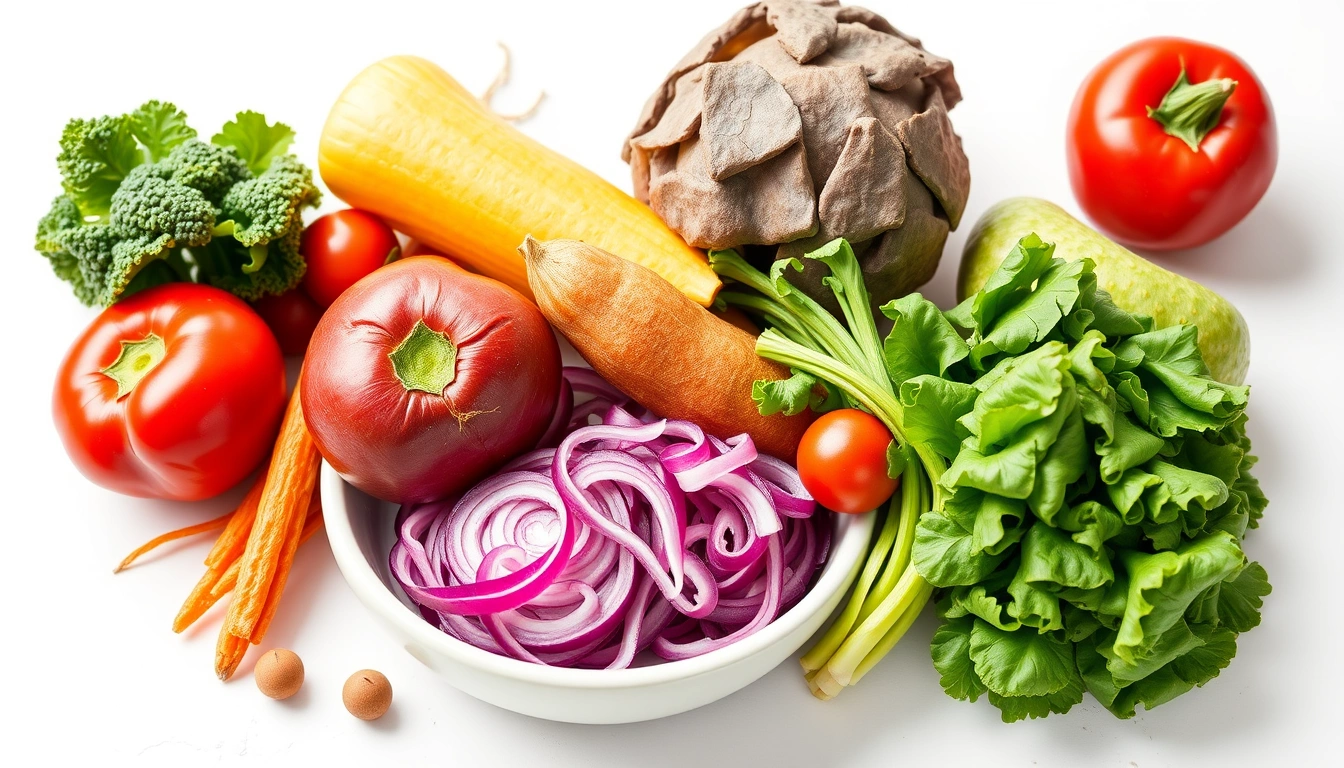
Values shift depending on the vegetable and how it’s prepared — so the entries below are grouped by confidence rather than listed with false precision. Figures come from databases such as the USDA FoodData Central and renal nutrition references published by the National Kidney Foundation (kidney.org).
Firmly low-potassium (generally under 200 mg per 100 g / 3.5 oz cooked, per USDA FoodData Central):
-
Green beans (also called French beans or string beans) — ~44 mg per 100 g cooked
-
Cabbage (green or red) — ~170 mg per 100 g cooked
-
Cauliflower — ~142 mg per 100 g cooked
-
White or iceberg lettuce — ~141 mg per 100 g raw
-
Cucumber (raw; mostly water, very low potassium) — ~147 mg per 100 g
-
Bean sprouts — ~155 mg per 100 g raw
-
Water chestnuts (canned, drained)
-
Alfalfa sprouts
-
White mushrooms (small portions)
-
Radishes
-
Onions (in modest amounts used as flavoring)
-
Peas (small portions — they sit at the lower end but can edge up with large servings)
Moderate-potassium vegetables — safe in small portions, riskier in large ones:
-
Broccoli (typically safe at around 85–115 g / 3–4 oz cooked)
-
Bell peppers (red, yellow, green)
-
Carrots (boiled; raw carrots run higher)
-
Eggplant / aubergine
-
Asparagus (a few spears rather than a full portion)
-
Celery (used as flavoring rather than eaten in bulk)
-
Turnips
-
Summer squash / courgette (zucchini)
None of these are eat-freely vegetables for someone on a strict restriction. Serving size controls the total load — two cups of broccoli delivers roughly double the potassium of one cup, and that math stops working fast on a tight daily budget.
What a Generic Guide Gets Wrong: The Cooking Method Problem
Most low-potassium lists treat vegetables as fixed objects. They’re not. Potassium is water-soluble; the cooking method you choose meaningfully changes how much ends up in your body. That’s a practical point — but it does not replace personalized dietary advice. Discuss specific preparation techniques with your renal dietitian, because individual needs vary.
Leaching is the technique most renal dietitians recommend for borderline vegetables, supported by research cited in National Kidney Foundation and DaVita renal nutrition resources. The process:
-
Peel and slice the vegetable into thin pieces — no thicker than about 3 mm (1/8 inch).
-
Rinse under cold running water.
-
Soak in a large volume of warm water for at least two hours (some protocols recommend four). The ratio should be roughly ten parts water to one part vegetable by volume.
-
Drain the soaking water entirely — do not use it for cooking.
-
Rinse again, then boil in fresh water for cooking.
Leaching doesn’t remove everything. It’s not a magic fix. But studies referenced by the National Kidney Foundation suggest it can reduce potassium content meaningfully in starchy or root vegetables — some reporting reductions of 30–50%. The trade-off is real: water-soluble vitamins go with it, particularly vitamin C and several B vitamins. A renal dietitian can help you weigh that.
Steaming retains more potassium than boiling does. So if you’re working with a borderline vegetable — carrots, turnips — boiling in a generous amount of fresh water and discarding the cooking liquid will leave you with less potassium than steaming or roasting the same amount.
The Vegetables CKD Patients Are Often Surprised to Learn Are High in Potassium

Understanding which familiar “healthy” foods to limit is just as important as knowing the safe list. These are the ones most people get wrong, largely because of a health halo built up over decades of general nutrition advice:
-
Spinach and other dark leafy greens: Spinach is very high in potassium, especially when cooked down — wilting concentrates it to over 500 mg per 100 g. Kale, Swiss chard, and beet greens sit in similarly high territory.
-
Tomatoes and tomato products: A fresh tomato is moderate, but tomato paste, tomato sauce, and sun-dried tomatoes are concentrated sources that should generally be avoided on a strict restriction.
-
Potatoes: Among the highest-potassium common vegetables, averaging around 328 mg per 100 g cooked. Even with leaching, large servings remain risky. White rice is often the safer starch substitute.
-
Sweet potatoes: Commonly recommended as a “healthy” food in general dietary guidance — and a problem for renal diets. At around 475 mg per 100 g cooked, they run notably higher than white potatoes, making them a poor choice for hyperkalemia management in most cases.
-
Avocado: Very high, averaging around 485 mg per 100 g. Avoid on strict restriction.
-
Butternut squash and other winter squash: Moderate to high, and easy to eat in large portions without realizing it.
-
Artichoke hearts: Surprisingly concentrated, especially in canned versions.
Daily smoothies with spinach or kale, large tomato-based sauces, regular sweet potato servings — if those are habits right now, bring them to your care team first, before anything else on this list.
How to Build a Practical Low-Potassium Plate Using These Vegetables
The list is step one. Turning it into food that’s actually worth eating is step two — and that requires building around flavors, not just avoiding risks.
For cooked vegetable side dishes: Green beans and cauliflower are the workhorses. Both absorb seasoning well, both hold texture after boiling, and neither tastes medicinal alongside most proteins. Boil green beans in lightly salted water until just tender — roughly 5–7 minutes — and drain well. Cauliflower roasted at 200°C / 400°F for about 20–25 minutes develops noticeably better flavor than steamed, though boiling and draining remains the safer route on a stricter restriction.
That same boil-and-drain approach applies to moderate options like broccoli. For salads and raw preparations, iceberg and romaine lettuce, cucumber, and radishes form a solid base — add raw bell pepper for color and crunch. Worth noting: on very strict restrictions, your dietitian may advise limiting even these, since raw vegetables aren’t leached and retain closer to their original potassium content.
For cooking with aromatics: Onion and garlic stay low enough that using them as flavor bases is generally fine, though eating large quantities of onion as a main vegetable would add up across the day.
Allergen note: No common vegetables on this list are major allergens under current food labeling frameworks, though people with celiac disease should verify that pre-packaged frozen vegetables are processed in a gluten-free facility if cross-contamination is a concern. Celery is listed as one of the 14 major allergens in EU food law — parsley or chives work as alternatives with a similar aromatic effect.
The Honest Comparison: Low-Potassium vs. High-Potassium Vegetables at a Glance
VegetablePotassium CategoryNotes for CKD
Green beansLowSafe; boil and drain
CauliflowerLowSafe; boil and drain for strictest restriction
CabbageLowSafe raw or cooked
Iceberg lettuceLowSafe in salads
CucumberLowSafe raw
BroccoliModerateWatch portion size
Carrots (boiled)ModerateLeach if needed
Bell peppersModerateSmall portions fine
TurnipsModerateLeach for strictest restriction
Spinach (cooked)HighAvoid on strict restriction
Sweet potatoHighAvoid
Tomato productsHighAvoid concentrated forms
AvocadoHighAvoid
White/winter squashModerate–HighLimit significantly
When Low-Potassium Eating Gets Harder — and What to Do
Even with a solid list in hand, strict potassium restriction is not a comfortable diet. Honestly, it’s one of the harder dietary shifts in chronic disease management. The vegetables highest in potassium — dark leafy greens, tomatoes, sweet potatoes — are also among the most nutritionally dense foods commonly recommended for the general population. Removing them creates real gaps, and pretending otherwise doesn’t help anyone.
The trade-off is worth naming plainly: a renal diet for hyperkalemia management narrows your vegetable choices significantly, and some patients hit a wall of diet fatigue after months of restriction. Studies in renal nutrition consistently show adherence is one of the hardest challenges CKD patients face — overly rigid guidance that doesn’t acknowledge the difficulty makes that worse, not better.
A few practical things do help, though. Rotating through the full approved list rather than defaulting to the same two vegetables every night keeps meals from feeling punishing. Spices and acid — lemon juice, vinegar — lift flavor without adding to your potassium load; well, usually without adding much. Working with a registered renal dietitian rather than navigating this solo is the biggest single difference. The British Dietetic Association (bda.uk.com) and the National Kidney Foundation (kidney.org) both maintain renal nutrition resources and can connect you with a specialist.
FAQ: Low-Potassium Vegetables and CKD
Can I eat frozen low-potassium vegetables, or only fresh? Frozen is generally fine — in some cases preferable. Most frozen vegetables are blanched before freezing, which removes some surface potassium. Check that there are no added sauces or seasonings, as these often contain high-potassium ingredients.
Does organic versus conventional growing affect potassium content? Potassium content in vegetables is largely determined by the plant type, not the farming method. The difference between organic and conventional production is not clinically meaningful for CKD dietary management.
Is it safe to eat a large salad of low-potassium vegetables? Portion size accumulates. A large salad of lettuce, cucumber, and green beans is unlikely to cause a problem — but add multiple moderate-potassium items in large quantities and the total climbs. Think in terms of daily potassium intake across all meals, not any single food in isolation.
My potassium labs are normal — do I still need to restrict vegetables? Not necessarily. Restriction is indicated when blood potassium is elevated, not as a blanket rule for everyone with CKD. Confirm with your nephrologist or renal dietitian based on your actual lab values.
Are low-potassium vegetables also low in phosphorus? Not in every case. Phosphorus and potassium are separate concerns in CKD management, and some vegetables low in one can still contribute meaningful amounts of the other. Discuss both restrictions with your care team — managing them simultaneously requires specific, individualized guidance.