Last updated: November 01, 2026
Key Takeaways
- Choose frozen foods that are plain, minimally processed, and easy to portion.
- Frozen vegetables and frozen fruit are often the easiest freezer items to fit into a kidney-friendly meal plan.
- Sort the freezer aisle into plain foods, lightly processed foods, and ready-made meals.
- You do not need a new meal plan to use frozen food well.
Frozen foods can fit a kidney-friendly eating pattern, but the label matters more than the freezer aisle. Quick answer: plain frozen vegetables, plain frozen fruit, plain fish, and plain chicken are usually the easiest starting point for Kidney-Friendly Frozen Foods: What to Choose and What to Skip. The biggest traps are sodium-heavy frozen meals, breaded items, and “seasoned” shortcuts that look convenient but push salt to levels that do not suit many people with CKD.
The quick rule for choosing frozen foods
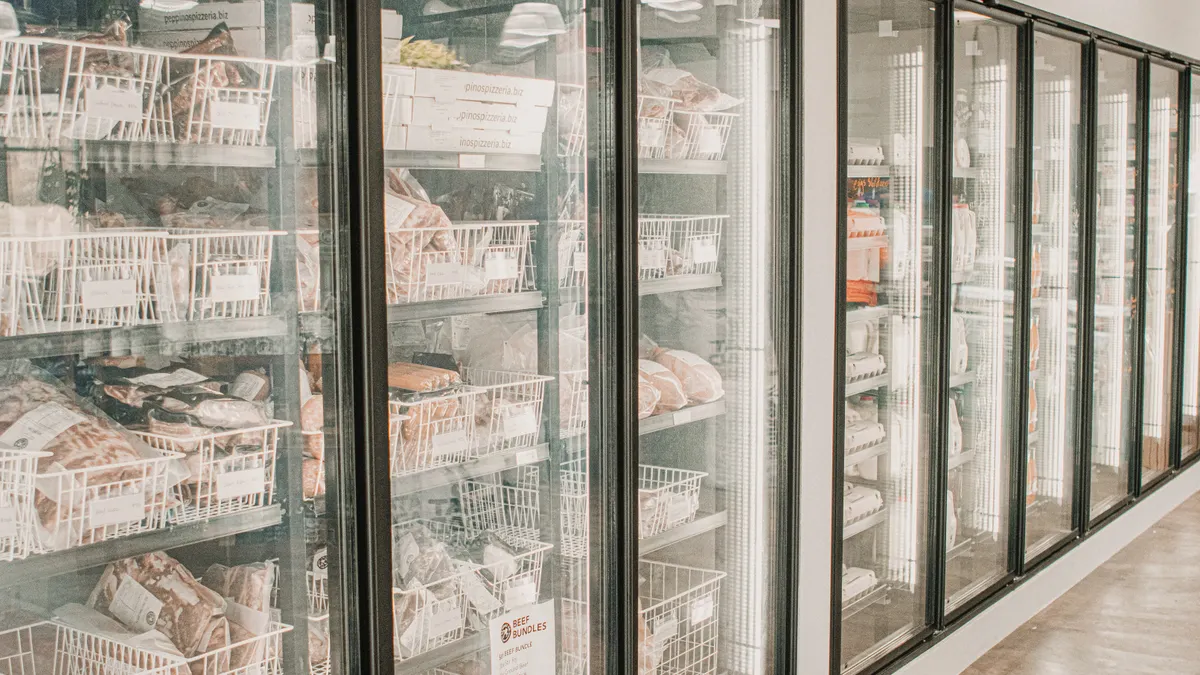
Choose frozen foods that are plain, minimally processed, and easy to portion. Skip anything that depends on sauce, brine, cheese, gravy, or seasoning to taste “finished,” because those are the places sodium hides.
For a kidney-friendly cart, the first look is often the ingredient list, not the front label. A bag of frozen broccoli, a plain fillet of salmon, or a bag of frozen blueberries is straightforward. A boxed entrée with pasta, sauce, and a flavor packet is a different animal.
One practical rule helps at the shelf: if the product would still make sense after thawing with no extra flavoring, it is more likely to fit. If it only tastes good because of a salt-heavy coating or sauce, it is more likely to be a skip. That distinction matters because frozen food is often sold as a shortcut for cooking, not as a nutrition plan.
This is also where frozen food can help instead of hurt. A plain frozen vegetable bag gives you the speed of a convenience food without forcing you into a highly processed meal. The same is true for fruit and plain proteins. The trouble starts when the convenience is built on sodium and additives rather than on simple ingredients.
For a broader framework, the CKD-Safe Foods & Ingredients — The Complete Guide can sit alongside this page as the higher-level reference.
What frozen vegetables and fruit do well for kidney-friendly eating
Frozen vegetables and frozen fruit are often the easiest freezer items to fit into a kidney-friendly meal plan.
Frozen vegetables are usually picked and frozen near peak freshness, then packaged without the spoilage risk of produce that has sat in the crisper drawer for a week. That does not make them magical, but it does make them practical. Plain broccoli, cauliflower, green beans, carrots, spinach, peppers, and mixed vegetables are common examples of freezer-friendly staples. The key word is plain. A vegetable mix with butter sauce, cheese sauce, or a salty seasoning packet is no longer the same category.
Frozen fruit works the same way. Plain berries, mango chunks, peaches, cherries, and mixed fruit are useful for oatmeal, yogurt, smoothies, or dessert-style bowls. Fruit with added syrup is the version to watch. Syrup changes the job of the product from fruit to sweetened dessert ingredient, and that is often not what a kidney-conscious eater wants in a regular rotation.
The convenience advantage is real. A bag can stay in the freezer for months, and you can portion out exactly what you need rather than cooking an entire fresh bunch before it spoils. That makes frozen produce useful when the fridge is crowded or when shopping happens less often.
The drawback is texture. Frozen vegetables can turn soft if overcooked, and frozen fruit can weep juice as it thaws. That is not a nutrition problem, but it matters if you plan around crisp salads or fresh fruit bowls. A 5- to 7-minute steam in the microwave is often enough for many vegetables; fruit usually needs only thawing, not cooking.
Kidney-friendly frozen foods: what to buy and what to skip

The easiest way to sort the freezer aisle is to divide it into plain foods, lightly processed foods, and ready-made meals. Plain foods usually win. Heavily processed convenience foods usually lose.
Choose more often:
- Plain frozen vegetables in steam bags or simple bags with one ingredient
- Plain frozen fruit with no syrup
- Plain fish fillets, such as cod, salmon, tilapia, or haddock, when the package does not include a salty marinade
- Plain chicken breasts or chicken pieces without breading, seasoning, or injected flavoring
- Simple frozen grains or vegetables if the ingredient list stays short and the sodium stays modest
Skip or limit:
- Frozen dinners with gravy, cream sauce, cheese sauce, or pasta sauce
- Breaded fish sticks, chicken nuggets, or popcorn chicken
- “Seasoned” poultry and fish that rely on sodium-based flavoring
- Frozen pizzas, stuffed pastries, and heavy casseroles
- Anything where a sauce packet or seasoning pouch is part of the product
The biggest issue is sodium content. A frozen meal can look reasonable in size and still be very salty. A single entrée may contain enough sodium to take up most of a day’s target, depending on the person’s plan. That is why frozen dinners often fail where plain frozen ingredients succeed.
There is a second issue too: additive load. Some products use phosphate additives, preservatives, or curing agents, especially in meats and fully prepared meals. Those additives are harder to spot if the ingredient list is long and technical. Words ending in “-phosphate” are a warning sign for many kidney-conscious shoppers.
My position is simple: frozen vegetables, frozen fruit, plain fish, and plain chicken belong in the cart often; frozen meals belong in the cart only after close label scrutiny. That recommendation is wrong for someone who depends on full convenience and cannot cook at all, but for most kidney-friendly home cooking, it is the better trade-off.
How to shop the freezer aisle without restarting your whole meal plan
You do not need a new meal plan to use frozen food well. You need a repeatable shopping pattern and a small set of default combinations.
-
Start with one protein, one vegetable, and one fruit. Pick a plain fish fillet or plain chicken, one bag of plain vegetables, and one bag of plain fruit. That gives you the base for 2 or 3 meals without forcing a total menu overhaul.
-
Check whether the package is plain or dressed up. If the front says “seasoned,” “marinated,” “teriyaki,” “garlic butter,” or “with sauce,” treat it as a different product. If you are unsure how that fits your kidney plan, consult a renal dietitian or clinician. The plain version is usually easier to fit into a kidney-friendly day.
-
Look at serving size before you judge the sodium. Frozen meals are often sold as one tray, but some trays contain 2 servings. If the label shows 2 servings and you eat the whole package, the sodium can double fast. This is where portion size matters as much as the ingredient list.
-
Use the freezer as a backup, not a substitute for every meal. Keep plain vegetables and fruit frozen so you can build meals when fresh food runs out. That gives you flexibility without depending on salt-heavy entrées.
-
Pair convenience with a plain cooking method. Microwave steaming, oven roasting, air-frying with no salty coating, and stovetop heating all work. A plain vegetable that is cooked in 8 minutes beats a heavily seasoned meal that needs no work but blows up sodium for the day.
-
Freeze your own leftovers when possible. If a fresh meal works for your kidney plan, portion the extra into 1-cup or 2-cup containers and freeze it. That gives you control over the seasoning instead of inheriting a factory-made flavor profile.
This method keeps the freezer useful without turning it into a sodium trap. It also helps with grocery cost, because plain frozen items can fill gaps when fresh produce is too expensive or spoils before you use it.
What ingredient additives matter most in frozen foods?
The additives that matter most are the ones tied to sodium or phosphorus, not the ones you can pronounce easily.
For kidney-friendly shopping, the ingredient list deserves as much attention as the Nutrition Facts panel. Sodium can come from salt, but also from seasoning blends, broth, brines, curing agents, and flavor systems built into meats and mixed dishes. Phosphate additives show up in processed foods as ingredients with “phos” in the name, such as sodium phosphate or phosphoric acid. Those ingredients are common in some processed meats and ready-to-heat meals.
The practical problem is that frozen foods are often designed for flavor and shelf stability first. That makes them useful for convenience, but not always suitable for a kidney-conscious pattern. A plain frozen fillet with two ingredients is easier to manage than a breaded fillet with a long list of seasonings, preservatives, and binders.
A good rule is to prefer short ingredient lists when you can. A short list is not a guarantee of kidney-friendliness, but it usually lowers the odds of hidden sodium sources. More ingredients are not always bad either, but they deserve more scrutiny.
This is also where readers get tripped up by “healthy” marketing. A package can say “light,” “natural,” or “protein-packed” and still be sodium-heavy. The front of the box is selling convenience. The back of the box is where the real decision lives.
If you need a simple filter, ask: does this food still taste complete if I remove the sauce packet or seasoning? If the answer is no, it probably relies on salt to do too much work.
How to portion frozen foods so the meal stays kidney-friendly
Portion size is where a decent frozen choice becomes a good meal or a bad one.
A common mistake is treating the entire package as the serving, especially with frozen entrées, fish portions, and mixed vegetable blends. Many packages are designed to look like one meal but actually contain multiple servings. That matters because sodium and other additives are calculated per serving, not per container. If you are unsure how much fits your kidney plan, check with a clinician or renal dietitian.
A practical plate method helps:
- Make plain vegetables the largest share of the plate.
- Keep the protein portion modest and plain.
- Use fruit as a side, snack, or dessert rather than as a syrupy add-on.
- Treat a frozen entrée as the whole meal only if the label and ingredient list clearly support it.
The cost of poor portion control is not just more sodium. It can also crowd out the fresher foods that help balance a day’s eating pattern. A large frozen dinner can leave no room for a low-sodium side dish, while a smaller portion of plain fish with frozen vegetables leaves room to build the meal around better ingredients.
When using frozen vegetables, a 1-cup or 1½-cup serving is often enough as a side for many meals. When using frozen fruit, ½ cup to 1 cup is usually plenty for yogurt, cereal, or a snack. Those numbers are not rigid medical targets; they are practical starting points that help keep the meal balanced.
The same logic applies to fish and chicken. A single plain portion is often enough when you are pairing it with vegetables and another side. If the package is larger than you need, split it before cooking and freeze the rest.
When frozen meals are the wrong choice
Frozen meals are the wrong choice when the convenience comes with a sodium hit or a long ingredient list that you would never build at home.
That does not mean every frozen entrée is off-limits. It means many are better used as an occasional backup than as a weekly staple. The worst offenders tend to be the meals built around sauce, cheese, breading, or cured meat. Lasagna-style trays, cream-sauce pastas, breakfast sandwiches, and many skillet meals fall into that group. They often look balanced from a distance but are doing too much through salt and additives.
Frozen meals are also a poor fit when the rest of the day already contains processed food. If breakfast and lunch were convenience foods, the freezer entrée may push the day too far in one direction. That is where plain frozen vegetables and fruit can help reset the balance without requiring a new plan.
The honest trade-off is this: frozen meals save time, but plain frozen ingredients save both time and sodium. If a person cannot cook from scratch because of fatigue, work, mobility limits, or caregiving demands, a frozen meal may still be the better real-world choice. In that case, the goal is not perfection; it is choosing the least processed option available and keeping the portion honest.
If kidney disease is advanced or the diet has individualized limits on sodium, potassium, or phosphorus, a renal dietitian or clinician should help set the boundaries. Frozen food can fit that plan, but the best version of “kidney-friendly” depends on the person, not just the package.
FAQ
Are frozen vegetables safe on a kidney diet?
Yes, plain frozen vegetables are usually a strong choice on a kidney diet. The safest versions are unseasoned and unsauced, with no butter pack, cheese sauce, or salty seasoning blend. Steam-in-bag vegetables can work well if the ingredient list stays simple and the sodium stays low.
Which frozen meals are too high in sodium for ckd?
Frozen meals with gravy, cheese sauce, cream sauce, cured meats, or breaded proteins are often too high in sodium for CKD-friendly eating. The safest approach is to avoid meals that depend on seasoning packets or sauce pouches and to be cautious with any entrée whose sodium load is high per serving.
Is frozen fruit okay for kidney disease?
Yes, plain frozen fruit is usually okay for kidney disease. The best option is fruit without syrup, added sugar, or dessert-style toppings. Frozen berries, peaches, cherries, and mango chunks are practical choices for snacks, oatmeal, or smoothies, as long as the portion fits the person’s nutrition plan.
Drafted with AI; not yet reviewed by a person.