Last updated: October 20, 2026
Quick Answer: A practical kidney-diet grocery cart usually centers on 5 anchors and can be built in 20 to 30 minutes. The best grocery store foods for a kidney diet are usually simple, low-prep staples such as oats, white rice, fresh chicken, frozen vegetables, apples, and unsalted crackers, but a qualified clinician or renal dietitian should tailor the plan if kidney disease, dialysis, or fluid limits are part of the picture. The National Kidney Foundation and the Academy of Nutrition and Dietetics both emphasize individualized renal nutrition, not a one-size-fits-all cart.
Key Takeaways
- Build a kidney-friendly cart around five basics: starch, protein, produce, freezer backup, and low-salt convenience foods.
- Start at the store’s edges, then move inward only for shelf-stable staples.
- Keep pantry, fridge, and freezer stocked with foods you can combine fast.
- Less processed foods usually give you more control over salt, seasoning, and portions.
Who this kidney diet grocery list is for

This Best Grocery Store Foods for a Kidney Diet: What to Buy in Every Aisle grocery list is for someone who wants to shop aisle by aisle without guessing at every label. It assumes basic grocery store access, a kitchen that can cook simple meals, and at least a rough idea of what a renal diet is: a way of eating that often keeps sodium lower and pays close attention to potassium, phosphorus, and protein depending on the person’s medical plan.
It is not a stage-specific prescription. Therefore, a person with early chronic kidney disease may be told to focus on sodium and overall food quality, while someone on dialysis may need a very different protein target and different limits on potassium or phosphorus. The National Kidney Foundation and the Academy of Nutrition and Dietetics both emphasize individualized renal nutrition, not a one-size-fits-all cart.
This page helps with the shopping part only. It does not replace a renal dietitian, nephrologist, or pharmacist review if the person has fluid restrictions, diabetes, heart failure, lab abnormalities, or multiple medicines. For a broader food framework, this article links up to the hub CKD-Safe Foods & Ingredients — The Complete Guide.
What this list does well is keep the shopping trip practical. It points to foods that are easy to find in most U.S. supermarkets, work in plain meals, and usually give you fewer label surprises than heavily processed products.
What a kidney-friendly cart usually starts with
A kidney-friendly cart usually starts with five anchors: a starch, a protein, produce, a backup freezer option, and a few low-salt convenience foods. Those anchors can make it easier to build meals without reaching for boxed dinners, cured meats, or sauces that often bring in sodium and phosphate additives; if the plan is medically complex, consult a qualified clinician or renal dietitian, because needs vary with labs, medications, and stage.
Think in categories, not perfect foods. Oats are useful because they are easy to portion and pair with fruit. White rice is often easier to fit into a renal diet than many seasoned grain mixes because the ingredient list is short. Fresh chicken gives you a flexible protein base if the care plan allows animal protein. Frozen vegetables help when fresh produce spoils before the week is over. Apples are a practical fruit choice because they store well and travel well. Unsalted crackers can stand in for a quick snack when the aisle would otherwise push you toward salty chips.
Two label terms matter here. Sodium is the salt-related mineral that many renal plans try to limit. Phosphorus additives are phosphate ingredients added by manufacturers; they are not the same as the natural phosphorus in food, and they are often more absorbable. Ingredient lists with words that include “phos” deserve a second look.
The best shopping cart is often boring on purpose. That is a strength, not a flaw.
How do I shop aisle by aisle without missing the hidden salt?

You shop aisle by aisle by choosing the least processed version of each food, checking the ingredient list for phosphate additives and added sodium, and leaving the store with enough plain building blocks for 3 to 5 days of meals. Start with the outer edges of the store, then move inward only for shelf-stable basics.
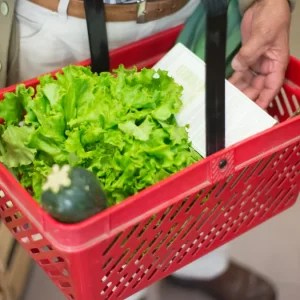
- Begin in produce and pick 3 to 5 fruits and vegetables. Choose items with no sauce or seasoning, such as apples, grapes, berries, carrots, green beans, or salad greens, depending on the person’s plan. Verify that the produce is fresh, unbruised, and unsauced. A problem is pre-seasoned or marinated produce, which can hide sodium.
- Move to the protein aisle and choose one plain protein. Look for fresh chicken, fresh fish, eggs, or tofu if those fit the plan. Verify the package says plain, not seasoned, brined, or enhanced. A problem is anything labeled “injected,” “broth added,” or “solution added,” which usually means extra sodium.
- Pick one simple starch. Oats, white rice, pasta, or plain bread can work as the meal base. Verify the ingredient list is short and the sodium is modest per serving for that product category. A problem is flavored rice mixes or instant sides that use salt-heavy seasoning packets.
- Add one or two freezer items. Frozen vegetables without sauce, frozen berries, or plain frozen chicken portions can save a week. Verify the package says “plain,” “no sauce,” or “unsalted.” A problem is cheese sauce, butter sauce, or stir-fry mixes with seasoning pouches.
- Choose pantry staples with predictable labels. Unsalted crackers, unsalted rice cakes, canned fruit in juice, and low-sodium broth are common options. Verify “no salt added” when available. A problem is “lightly salted” or “seasoned” versions that look similar on the shelf.
- Check the ingredient list for phosphate clues. Look for terms such as phosphoric acid, sodium phosphate, pyrophosphate, or “phos” in ingredient names. Verify that none appear if the goal is to avoid phosphate additives. A problem is processed cheese, deli meats, and some baked goods, which often use them.
- Build snacks that do not depend on vending-machine logic. Apples, unsalted crackers, plain popcorn, or rice cakes can fill gaps between meals. Verify that serving sizes are realistic and not a handful that turns into three servings. A problem is snack packs that look small but are heavy on sodium.
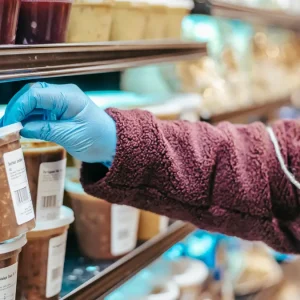
- Finish with a label pass. Compare two similar products and choose the one with fewer ingredients and less sodium per serving. Verify that the first ingredients are recognizably food. A problem is the package that says “natural” but still carries a long additive list.
A useful shopping trip usually takes 20 to 30 minutes once the routine is set. If every item on the list requires decoding, the cart is probably too processed for a kidney-focused plan.
What should be in the pantry, fridge, and freezer?
The pantry, fridge, and freezer should each hold a few low-drama foods you can combine in minutes. That usually means a starch, a protein, a produce option, and a backup snack in each zone.
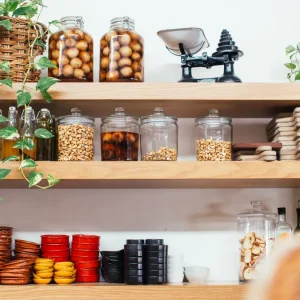
In the pantry, oats, white rice, unsalted crackers, pasta, shelf-stable applesauce with no added sugar, and low-sodium broth are common building blocks. Oats work for breakfast or as a binder in homemade patties. White rice stretches meals without requiring a long ingredient list. Unsalted crackers help with quick snacks when appetite is low or the day is busy. If the package is full of seasonings, “cheese flavor,” or powdered broth, it is no longer doing the same job.
In the fridge, fresh chicken, eggs if allowed, washed lettuce, apples, and low-sodium leftovers fit well. Fresh chicken is one of the most versatile protein choices because it can be baked, poached, or pan-cooked without extra salt. The drawback is spoilage: it needs prompt cooking or freezing. That makes it less forgiving than shelf-stable foods.
In the freezer, plain frozen vegetables are the standout. They are picked and frozen quickly, so they can be easier to keep around than produce that wilts after two days. Frozen berries, plain fish portions, and unseasoned chicken can also help. The main trade-off is texture; some frozen foods soften after cooking, so they may not suit every recipe.
A practical rule is to keep enough basics for at least two dinners and two lunches without another store run. That gives the renal diet more room to work and reduces the chance of grabbing a salty shortcut out of convenience.
Which grocery store foods are the safest bets for a kidney diet?
The safest grocery store foods for a kidney diet are usually the least processed foods in each aisle, because they let you control salt, seasoning, and portion size. That does not make them perfect for every kidney plan, but it does make them easier to fit into one.
Here are common staples that are often useful:
- Oats for breakfast, baking, or thickening
- White rice as a simple side or base
- Fresh chicken or other plain, unseasoned protein
- Frozen vegetables without sauce
- Apples and other easy-to-pack fruit
- Unsalted crackers for snacks or light meals
- Plain pasta with a homemade low-sodium sauce
- Canned fruit in juice instead of syrup
- Low-sodium broth for soups and grains
- Eggs when the person’s protein plan allows them
The logic is simple. These foods are easier to recognize in their ingredient lists, easier to portion, and less likely to contain phosphate additives. They also give you flexibility. A plain chicken breast can become dinner with rice and green beans, while apples and crackers can handle an afternoon snack without turning into a sodium event.
There is a downside: “safe bet” does not mean “free pass.” Some of these foods still need portion awareness, especially if potassium, phosphorus, protein, or fluid are being managed closely. A serving of rice and a serving of pasta are not the same as an all-you-can-eat bowl. A person with diabetes may also need carbohydrate balance, which changes how much oats or rice makes sense.
The key is consistency. A grocery cart built from plain staples is easier to adapt than one built from mixed processed foods.
What mistakes do people make in the grocery store?
People usually make the same grocery mistakes on a kidney diet: they buy foods that look simple but hide sodium, phosphate additives, or portion traps. The label can be the only honest part of the package.
- Choosing “healthy” frozen meals. These often contain a full day’s worth of sodium for a kidney-aware plan, plus phosphate additives. The better alternative is plain frozen vegetables plus a fresh protein and a simple starch.
- Assuming deli meat is fine because it is not fried. Deli turkey, ham, and rotisserie slices are commonly salty and may contain phosphate additives. The better alternative is fresh chicken cooked at home and sliced for later.
- Buying flavored rice or noodle mixes. The seasoning packet usually does the damage. The better alternative is plain white rice or plain pasta with herbs, garlic, lemon, or a low-sodium sauce.
- Ignoring the ingredient list because the nutrition panel looks decent. Phosphate additives can hide in the ingredients even when the front of the box looks friendly. The better alternative is a quick scan for “phos” words.
- Filling the cart with snack foods that are “lightly salted.” “Lightly” is still salt. The better alternative is unsalted crackers, unsalted popcorn, fruit, or other plain snacks.
- Buying too much fresh produce at once. Spoiled food leads to waste and desperate substitutions. The better alternative is a smaller produce load plus frozen vegetables.
A good kidney shopping cart is not flashy. It is predictable, repeatable, and boring enough to save the person from a bad lunch decision.
When does the standard grocery approach need to change?
The standard grocery approach needs to change when the person has lab-based restrictions, dialysis, diabetes, poor appetite, or a fluid limit. Those situations change what “kidney-friendly” means.
If potassium has been restricted by a clinician: the produce aisle needs closer review. Some fruits and vegetables are used differently than others, so the shopping list should match the person’s lab results rather than a generic chart. The consequence of ignoring this is a cart full of foods that do not fit the plan.
If phosphorus is a major concern: processed foods deserve more scrutiny. The consequence of missing phosphate additives is that the person may buy foods that appear ordinary but are harder to fit into the plan. A renal dietitian can help sort natural phosphorus from additives.
If the person is on dialysis: protein choices often change. The consequence of using a low-protein “kidney diet” meant for someone else is that the plan may not support the person’s needs. Dialysis nutrition is not a copy-paste version of early-stage CKD nutrition.
If diabetes is also in the picture: oats, rice, fruit, and crackers still fit the grocery store, but portions matter more. The consequence of ignoring carbohydrate balance is blood sugar swings that complicate the kidney plan.
If appetite is poor or weight loss is happening: the cart may need denser foods and easier snacks. The consequence of over-restricting is not just inconvenience; it can make it harder to eat enough.
If fluid restriction is part of the plan: soups, canned foods, and very juicy produce may need review. The consequence of not counting fluids is that “hydrating” foods can push the person over a daily target.
This is the point to ask a renal dietitian, not to guess from a generic list. CKD nutrition is individual enough that a good grocery strategy can change after one lab panel or medication change.
Which aisle has the safest kidney-friendly foods?
The outer aisles usually hold the easiest kidney-friendly choices, especially produce, fresh protein, and plain dairy or alternatives if they fit the plan. Those sections tend to offer foods with fewer additives than the center aisles, where boxed dinners, salty snacks, and processed meats dominate.
The produce aisle is often the safest place to start because the ingredients are obvious. Apples, bagged greens, carrots, and other plain produce are easy to identify and easy to use. The freezer aisle comes next if you want vegetables that last longer. The protein aisle is useful when it contains plain fresh chicken, fish, or eggs instead of seasoned, breaded, or marinated options.
The center aisles are not forbidden. They just require more label discipline. Oats, white rice, plain pasta, unsalted crackers, and low-sodium broth can all live there and still work well. The problem is that those aisles also hold many products that are designed for flavor first, not renal nutrition.
A simple rule helps: if the aisle sells mostly ingredients, it is usually easier to shop kidney-friendly. If it sells mostly finished meals, the label check needs to be sharper.
Drafted with AI; not yet reviewed by a person.