Last updated: November 01, 2026
Key Takeaways
- Kidney pantry staples work best when they are plain, unsalted, and easy to mix into meals.
- The safest choices are versatile foods with fewer sodium or phosphate additives.
- Build a pantry in 5 categories, choose plain versions first, and check sodium, phosphorus additives, and serving size.
- Start with rice, pasta, canned fruit, low-sodium broth, peanut butter, and unsalted rice cakes for flexible meals.
Kidney Diet Pantry Staples: The Best Shelf-Stable Foods to Keep on Hand are the shelf-stable foods that make it easier to build a lower-sodium, kidney-aware meal when the fridge is empty or a store trip is not happening. This applies to people managing chronic kidney disease, dialysis restrictions, or a doctor-advised kidney-friendly eating pattern, and it assumes you already know that your own lab values and diet limits can change what belongs in your pantry. Speak with a qualified clinician or renal dietitian about your specific potassium, phosphorus, protein, and fluid goals before you overhaul your shopping list. National Kidney Foundation guidance and KDIGO nutrition guidance both stress individualized planning, so a general pantry list should be treated as a starting point, not a prescription. For a broader ingredient framework, the companion hub on CKD-safe foods and ingredients can fill in the bigger picture.
What belongs in a kidney diet pantry?
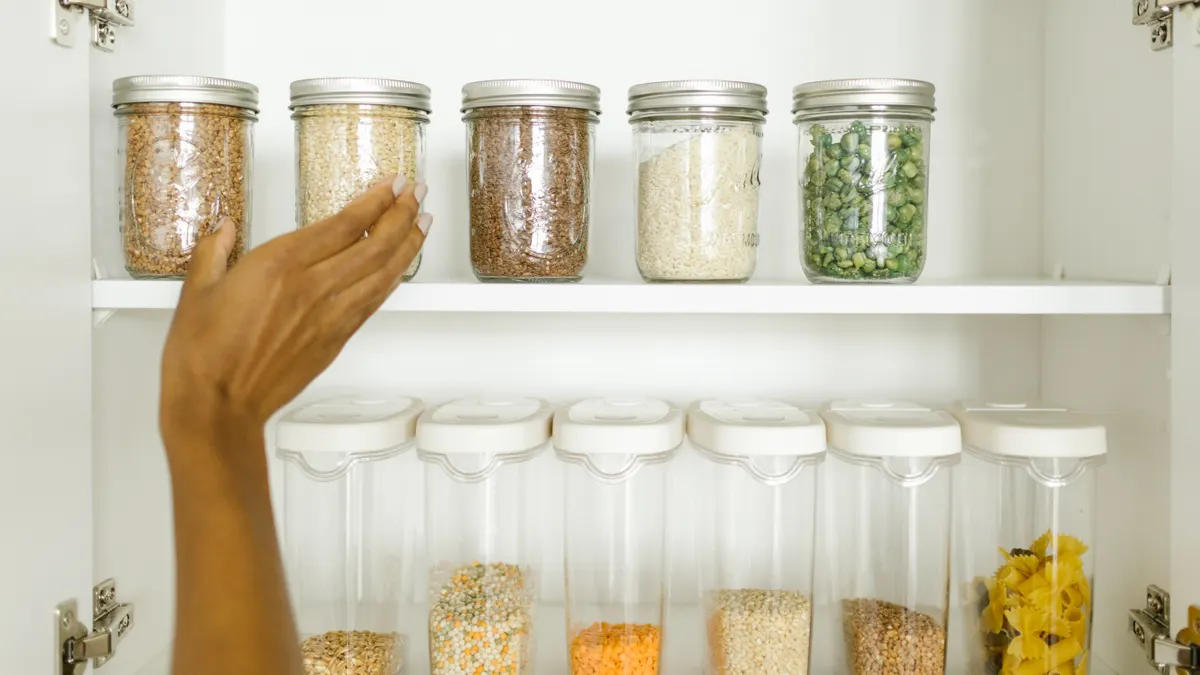
The best kidney diet pantry staples are plain, unsalted, and easy to combine into meals without turning every dinner into a label-reading marathon. That means shelf-stable foods such as pasta, rice, low-sodium broth, canned fruit packed in juice, peanut butter, unsalted rice cakes, and a few backup proteins that do not rely on heavy seasoning. The goal is not a “kidney superfood” shelf. The goal is a usable pantry with enough structure that you can make food fast without defaulting to salty packaged meals.
A generic pantry list usually gets this wrong in two ways. First, it focuses on fresh produce and forgets the point of shelf-stable food: convenience, emergencies, and low-effort meals. Second, it treats all “healthy” pantry items as equal, when many are loaded with sodium, phosphate additives, or potassium-rich ingredients that may not fit every kidney plan. Kidney guidance from NKF and KDIGO supports individualized nutrition planning, so check with your clinician or renal dietitian before relying on any general list. For a broader ingredient framework, the companion hub on CKD-safe foods and ingredients can fill in the bigger picture.
A good pantry also helps with consistency. A box of plain pasta, a can of fruit in juice, and a carton of low-sodium broth can become a simple meal in 15 to 20 minutes. That matters on tired days, after appointments, or when energy is low. The trade-off is that shelf-stable foods are often less fresh-tasting than produce or cooked-from-scratch meals, and some of the safest-seeming options are still not ideal if they are salted, seasoned, or made with phosphate additives.
Which shelf-stable foods deserve a place on the shelf?
The foods that deserve space are the ones that are plain, versatile, and less likely to hide sodium or phosphate additives. Start with grains, then add proteins, fruits, and a few condiments that can make those basics usable.
For grains and starches, keep plain rice, pasta, oats, and unsalted crackers or unsalted rice cakes. Rice and pasta are useful because they are low-effort bases that can stretch a meal without adding much sodium. Oats work well for breakfast or a snack, but flavored instant packets often contain more sodium and added ingredients than plain rolled oats. Unsalted rice cakes are not fancy, but they are practical when you need something quick with peanut butter or fruit.
For canned goods, look first at canned fruit in juice or water rather than syrup. The fruit matters more than the packing liquid when the goal is a simple pantry option with less added sugar. Canned vegetables can also work if they are no-salt-added or low-sodium, though this page is not the place to sort every vegetable by potassium content. For broth, low-sodium broth is the kind of pantry item that makes plain rice, noodles, or vegetables taste like an actual meal. Choose the lowest-sodium version you can find, then use a small amount and dilute if needed.
For backup protein, peanut butter is the classic shelf-stable option. It is compact, filling, and easy to spread on rice cakes or stir into oatmeal. Peanut butter can be higher in phosphorus and potassium than many people expect, so it belongs in a kidney pantry only if it fits the person’s plan. Canned tuna or chicken may also fit some pantries, but sodium varies a lot by brand and packing liquid. Low-sodium versions are the safer starting point.
For condiments, keep things simple: olive oil, vinegar, mustard, and salt-free seasoning blends can make bland food more usable without adding much sodium. Garlic powder and onion powder are common kitchen staples too, but blends that include salt need a careful look. A jar of sugar-free jam or fruit spread can also help if breakfast options are limited.
How do I build a kidney pantry without filling it with the wrong foods?
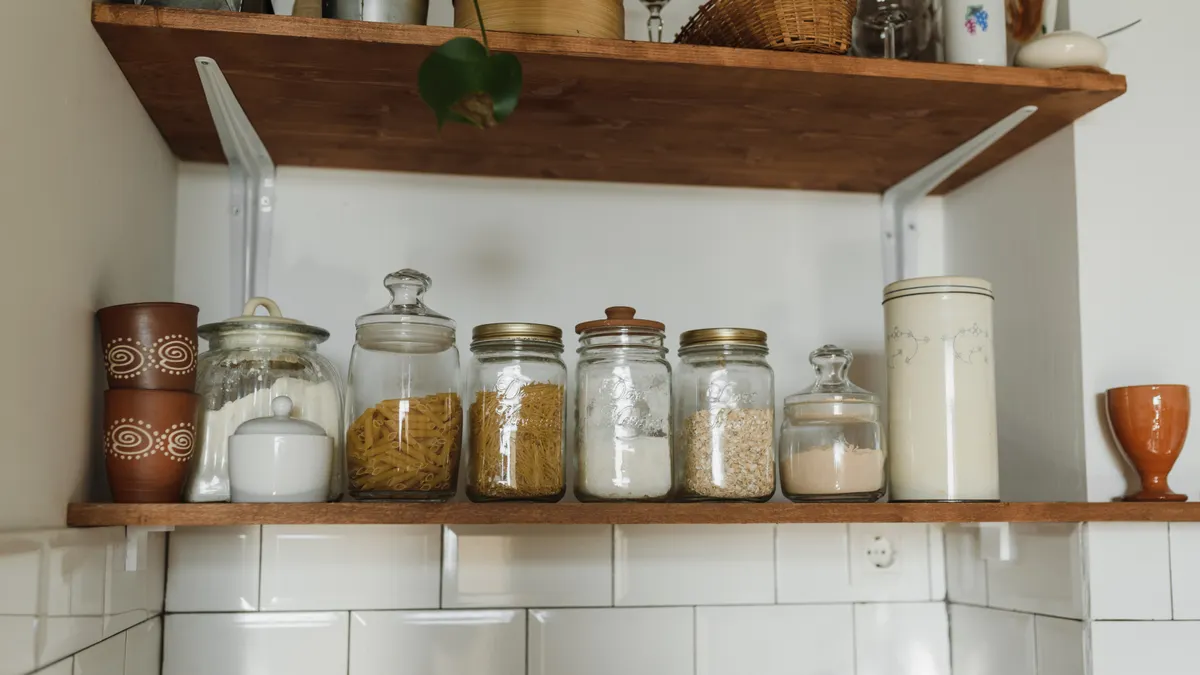
Build it in 5 categories, buy the plain version first, and check every package for sodium, phosphorus additives, and serving size before it goes on the shelf. That approach is more useful than buying “kidney-friendly” label claims, which can be vague.
-
Choose 2 grains you will actually eat. Buy 1 to 2 boxes of pasta and 1 to 2 bags or boxes of rice in sizes you can finish before they go stale. Verify that the ingredient list is short: rice, pasta, or oats should be the main ingredient. If the label includes seasoning packets, cheese powder, or soup mix, that product is usually the wrong fit for a kidney pantry.
-
Add 2 to 3 canned fruit or vegetable options. Pick cans labeled no sugar added, packed in juice, or low sodium when available. Check that the can is intact, not dented on the seam, and not bulging. A problem sign is syrup-heavy fruit or vegetables with added salt and seasoning.
-
Choose 1 to 2 backup proteins. Peanut butter is the easiest shelf-stable protein for many households, but a small jar is usually better than a giant one if you are still learning what fits your plan. Verify that the ingredient list is short and that the jar does not include hydrogenated oils or added salt if you are aiming for a simpler option. A problem sign is a peanut butter with lots of added sodium or a label that turns a 2-tablespoon serving into a sodium-heavy snack.
-
Stock a broth or cooking liquid. Keep low-sodium broth or stock in cartons or cans. Verify the sodium number per serving, because broth is one of the easiest ways for a pantry meal to become salty. A problem sign is a soup base or bouillon that relies on salt as the main flavoring.
-
Add 2 to 4 easy snacks. Unsalted rice cakes, plain popcorn, low-sodium crackers, or unsalted pretzels can bridge the gap between meals. Verify the serving size on the package, because snack foods are easy to overeat when the bag is large. A problem sign is a snack that looks plain but is heavily salted.
-
Store a few flavor builders. Olive oil, vinegar, pepper, garlic powder, and onion powder make plain staples easier to eat. Verify that spice blends are salt-free or very low sodium. A problem sign is “seasoning” that quietly functions like salted coating.
-
Rotate by date. Put the newest cans behind the older ones and use the older items first. Verify can integrity every time you restock. A problem sign is swollen cans, rust, leaking seals, or packages that smell off when opened.
-
Keep portions realistic. A 1-pound bag of pasta, a 2-pound bag of rice, and a few 8- to 15-ounce cans often fit better than bulk sizes if you are still testing what works. Verify that the pantry stays usable, not just full. A problem sign is a shelf of foods nobody will eat.
What should I stock first if I need food fast?
Start with rice, pasta, canned fruit, low-sodium broth, peanut butter, and unsalted rice cakes because those foods can become several different meals with very little prep. The first shelf should solve the common problem: no fresh food, low energy, and not enough time to cook.
A sensible starter set is plain white or brown rice, a box of pasta, a carton of low-sodium broth, 2 cans of fruit packed in juice, a jar of peanut butter, and a box of unsalted rice cakes. Add oats if breakfast is a weak spot. If you have room for one more item, choose a low-sodium canned protein such as tuna or chicken only if it fits your personal diet plan.
The point is flexibility. Rice can be breakfast, lunch, or dinner. Pasta can become a side dish, a casserole base, or a simple bowl with olive oil and herbs. Canned fruit works as a snack or breakfast side. Rice cakes and peanut butter cover the “I need something now” moment.
The trade-off is that these foods are not complete meals on their own. Rice and pasta are mainly starches. Peanut butter can be calorie-dense, so the amount should match the person’s plan. Broth adds flavor but not much nutrition. That means the pantry should be viewed as a tool kit, not a diet by itself. If your eating pattern is heavily restricted for potassium, phosphorus, or protein, the starting list should be adjusted with a renal dietitian rather than copied wholesale.
The mistakes people make with kidney pantry foods
The most common mistake is buying “healthy” processed foods that are still too salty or full of additives for a kidney-conscious plan. A package can look clean and still contain a sodium load that makes it a poor pantry staple.
1. Choosing instant flavored grains instead of plain grains. The consequence is avoidable sodium and more ingredients than you need. The better choice is plain rice, plain pasta, or plain oats, then add flavor yourself.
2. Treating all canned food as equal. The consequence is stocking cans that are packed with salt, syrup, or seasoning blends. The better choice is no-salt-added vegetables, fruit in juice, and low-sodium broth, but check with a clinician or renal dietitian if your potassium, phosphorus, or fluid limits are tight.
3. Assuming peanut butter is automatically kidney-friendly. The consequence is using a convenient protein that may not fit every phosphorus or potassium goal. The better choice is a small amount, label checked, and only if your plan allows it.
4. Ignoring serving size. The consequence is thinking a food is “low sodium” when the whole package contains far more than expected. The better choice is to compare the serving size on the label with how much you actually eat.
5. Overlooking phosphate additives. The consequence is buying processed foods that include ingredients with “phos” in the name, which can matter for many kidney diets. The better choice is to look for simpler ingredient lists and fewer processed coatings, sauces, or mixes.
6. Building a pantry that is all snacks and no meal bases. The consequence is a shelf full of crackers and nothing to turn into dinner. The better choice is at least two grains, one broth, one protein, and one or two fruit or vegetable options.
When does the standard pantry approach not apply?
The standard pantry approach needs modification when your diet has tighter limits than the average kidney plan. In those cases, a one-size-fits-all grocery list can do more harm than good.
If you have been told to limit potassium closely: many shelf-stable foods still need individual checking, because potassium content varies more than people expect. That means canned fruit, oats, beans, and some tomato-based products may need a different place in the pantry.
If phosphorus control is a priority: packaged foods with phosphate additives become a bigger issue. A plain-looking processed food may be a poor fit if it includes ingredients that act as phosphorus sources.
If you are on dialysis: protein needs can differ from non-dialysis kidney plans, so a pantry built around tiny protein portions may not be enough. This is a case for individualized guidance, not a generic pantry list.
If you need a very low-sodium plan: even “lower sodium” products can add up quickly across a day. Broth, crackers, canned proteins, and seasoning blends all need tighter review.
If you have diabetes as well as kidney disease: snack foods and fruit choices may need to fit blood sugar goals too. That changes which shelf-stable carbs make sense and how they are used.
If you have fluid restrictions: soups, broths, and even some canned foods may need to be counted differently. Pantry foods that seem harmless can still affect your daily fluid total.
In all of these cases, the pantry idea still works; the list just gets narrower and more individualized. That is where a renal dietitian, nephrologist, or other qualified clinician matters more than any general article.
What a good kidney pantry looks like in real life
A good kidney pantry is small, repeatable, and boring in the best possible way. It usually has 2 grains, 1 broth, 1 or 2 proteins, 2 fruit or vegetable options, and a handful of plain snacks, not a crowded shelf of specialty items. It also includes foods you can turn into breakfast, lunch, and dinner without opening six packages at once.
A workable example might include plain rice, plain pasta, oats, low-sodium broth, canned fruit in juice, peanut butter, unsalted rice cakes, olive oil, vinegar, and one or two salt-free seasonings. From that base, you can make oatmeal with fruit, rice with broth, pasta with oil and herbs, or rice cakes with peanut butter. The pantry is doing its job if it reduces takeout, cuts down on impulse salty foods, and lets you make something acceptable in under 20 minutes.
A poor pantry looks different. It has lots of “diet” labels but very few actual meal bases. It may include boxed mixes, seasoned crackers, flavored noodles, and canned soups that look convenient but do not fit the kidney plan. That kind of pantry creates the illusion of preparedness without real flexibility.
For the larger ingredient rules that sit behind these choices, the CKD-safe foods and ingredients hub is the place to go next. This page is just the shelf-stable starting point.
What shelf-stable foods are good for ckd?
Shelf-stable foods that are often useful for ckd include plain rice, pasta, oats, low-sodium broth, canned fruit in juice, unsalted rice cakes, and peanut butter if it fits the person’s plan. The best choices are usually simple, low-sodium, and easy to combine into meals without relying on seasoning packets or processed sauces.
What should i stock in a kidney diet pantry?
A kidney diet pantry should usually start with 2 grains, 1 broth, 1 or 2 proteins, 2 fruit or vegetable options, and a few plain snacks.
Drafted with AI; not yet reviewed by a person.