Last updated: October 24, 2026
Quick Answer: you can season food without salt on a kidney diet using acid, aromatics, herbs, spices, and a little fat; the best results usually come from 3 layers, not 1. How to Season Food Without Salt on a Kidney Diet works best when you match the method to your labs, medications, and stage of kidney disease, so a clinician or renal dietitian should guide the big rules first. This article shows the technique: how to build flavor without salt using acid, herbs, spices, aromatics, and marinades.
Key Takeaways
- Acid, aromatics, and a little fat give the most salt-like fullness without sodium.
- Follow one repeatable sequence: base, cook, finish, then taste.
- Missing one layer usually means the dish needs structure, not just more seasoning.
- Some salt substitutes are risky on a kidney diet because many use potassium chloride.
Who this is for — and what I’m assuming you already have
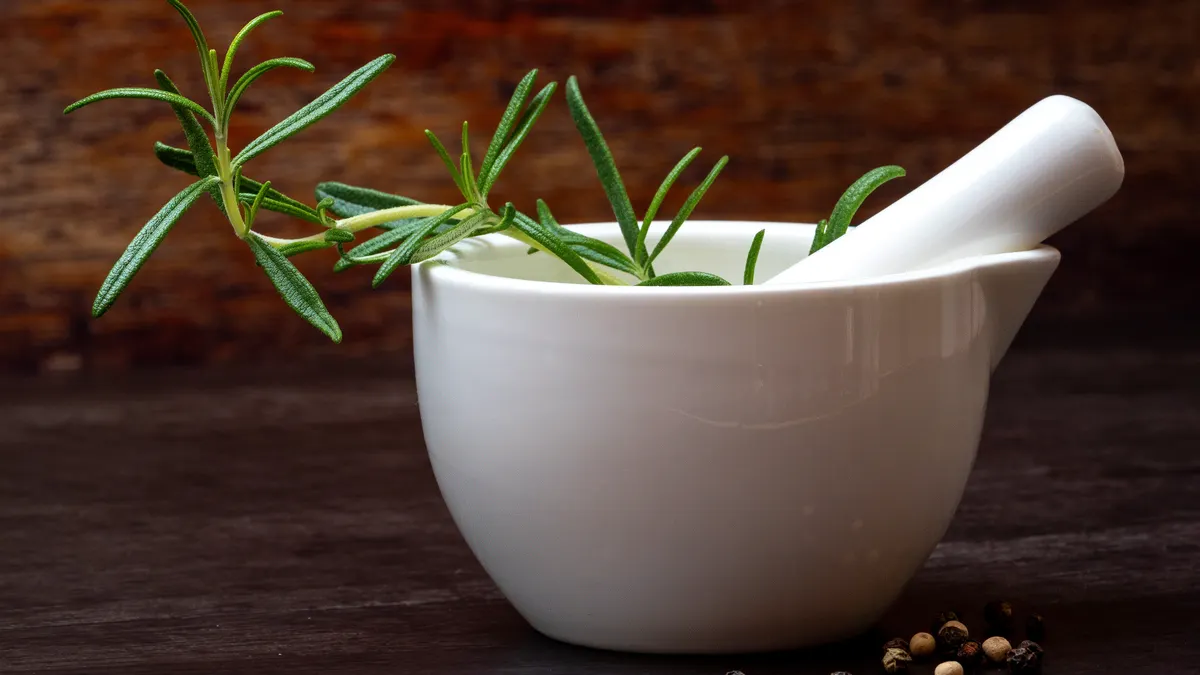
How to Season Food Without Salt on a Kidney Diet is for someone who already knows they need to cut sodium and wants food that still tastes like food. It assumes you have a stove, a cutting board, basic pantry ingredients, and the ability to read labels for sodium in milligrams. It also assumes you are not trying to replace salt with a mineral salt substitute just because the label says “low sodium.” That swap can be a bad fit for some kidney patients.
The focus here is technique-driven flavor building, not a shopping list of seasoning blends. That matters because kidney diets often limit more than salt. Potassium, phosphorus, and fluid needs can all change the way “healthy-sounding” ingredients fit into a meal. A lemon-based finish may be fine for one person and not for another; the same is true of certain salt substitutes that use potassium chloride. A renal dietitian or nephrology team can tell you where your limits are.
What this guide does well is show how to create flavor in layers:
- Acid gives brightness and lift.
- Aromatics like garlic and onion build a savory base.
- Herbs and spices add depth.
- Heat, browning, and fat make the flavor stick.
- Salt-free seasoning methods tie those pieces together.
That approach works for roasted chicken, vegetables, rice, pasta, beans, soups, and quick skillet meals. It is less useful if a dish is already heavily processed, because packaged foods often bring sodium before seasoning even starts. For those meals, the technique shifts from “season better” to “choose a different base.”
Two authoritative sources are worth keeping open if you want to cross-check the medical side: the National Kidney Foundation’s sodium guidance and the U.S. FDA’s page on potassium in salt substitutes. Both are useful starting points, but they do not replace advice tailored to your own labs.
What should I use first to replace the taste of salt?
How to Season Food Without Salt on a Kidney Diet starts with acid, aromatics, and a little fat, because those three create the most salt-like “fullness” without sodium. A good first pass is 1 tablespoon of acid for 4 servings, 1 to 2 aromatic ingredients, and enough fat to carry the flavor—often 1 to 2 teaspoons of oil per pan or 1 tablespoon per dressing batch. A dish that works will taste brighter, less flat, and more complete; a dish that fails will taste sour, raw, or thin.
The easiest acid-based options are lemon juice, lime juice, vinegar, and tomato-based acids if they fit the rest of the kidney plan. Acid does not mimic salt exactly. It changes the way the tongue reads other flavors. That is why a squeeze of lemon on vegetables can make herbs taste louder, and a splash of vinegar can make a slow-cooked stew seem less dull.
Aromatics are the next layer. Garlic and onion are classic because they create savory depth when cooked, not just when sprinkled on top. A small amount of minced garlic sautéed in oil for 30 to 60 seconds, or diced onion cooked until translucent, gives a base that salt usually props up. If raw garlic is too sharp, use roasted garlic, garlic-infused oil, or a longer cook. If onion is too sweet, cook it less or pair it with pepper and vinegar.
Fat helps flavor cling to the food. A teaspoon of olive oil, canola oil, or another cooking oil can make herbs taste fuller and keep spices from tasting dusty. That matters especially on vegetables and grains. Without fat, a dry spice rub often reads as “seasoning powder” instead of food.
The first thing to check is balance. If the food tastes flat, add acid or aromatics before adding more spice. If it tastes harsh, add a little fat or a starchy side like rice, pasta, or potato to soften the edge. If it tastes sour or sharp, back off the acid and let herbs do the work.
How do I season food without salt on a kidney diet?
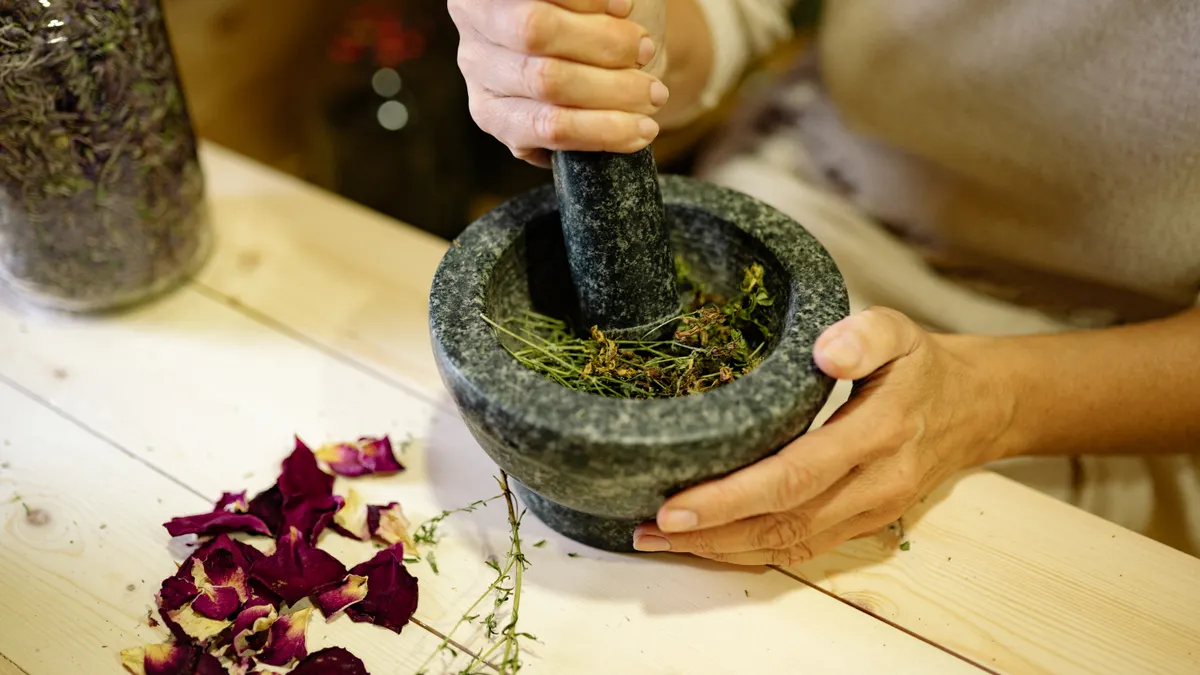
Use the same four-part sequence every time: build a base, season during cooking, finish with freshness, then taste for balance at the end. The method is simple, but it has to be done in order or the food often turns muddy.
- Start with a clean base: Use fresh or plain ingredients with no added seasoning salt, broth cubes, or “all-purpose” blends that list salt first. Measure 1 cup of rice, 1 pound of vegetables, or 1 pound of protein at a time so the seasoning amount is easy to judge. What you should see is a blank canvas; if the package already lists a lot of sodium, the problem starts before seasoning does.
- Choose one primary flavor direction: Pick citrus, vinegar, garlic-herb, onion-pepper, or warm spice. For example, use 1 tablespoon lemon juice, 1 tablespoon vinegar, or 1 teaspoon dried herb per 4 servings. What you should taste is a clear theme; if you try to force three directions at once, the food can taste confused.
- Cook aromatics first: Sauté 1 minced garlic clove or 2 tablespoons diced onion in 1 teaspoon oil over medium heat for about 1 to 3 minutes. Verify that the garlic smells fragrant, not burned, and the onion looks translucent, not browned too fast. Burned garlic turns bitter and cannot be fixed well.
- Add spices at the right moment: Stir in black pepper, paprika, cumin, coriander, turmeric, or chili flakes for 15 to 30 seconds in the hot oil, or mix them into the marinade. What you want is a toasted smell, not scorched spice dust. If the pan smells acrid, the heat is too high.
- Use herbs in two forms: Add sturdy dried herbs like oregano, thyme, rosemary, or basil early, and add delicate fresh herbs like parsley, dill, cilantro, or chives at the end. A useful guide is 1 teaspoon dried herb or 1 tablespoon fresh herb per serving. The finished dish should smell fresh, not like potpourri; if the herb flavor disappears, it went in too late or at too low a quantity.
- Finish with acid after cooking: Add lemon juice or vinegar at the end, starting with 1 teaspoon at a time, then stir and taste. The goal is lift, not sourness. If the food suddenly tastes sharper but still flat, it needs a bit more aromatics or herbs, not just more acid.
- Round out the texture: If the flavor is right but the food still feels empty, add texture: toasted onions, chopped fresh herbs, a drizzle of oil, or a crunchy topping that fits the kidney plan. A dish that worked will feel layered on the tongue; if it still tastes one-note, the problem is usually texture, not just seasoning.
- Taste the last bite, not the first: Recheck after the food rests for 2 to 5 minutes. Hot food can hide sharpness, and cold food can mute herbs. If the final taste is still flat, adjust one thing only—acid, herb, pepper, or fat—so you can tell what helped.
How to Season Food Without Salt on a Kidney Diet also follows a useful rule of thumb: black pepper, garlic, and onion do more work than most people expect. They are not flashy, but they create the savory base that salt usually props up. Herbs then widen the flavor, and lemon juice or vinegar makes the whole dish wake up.
Which ingredients do the heavy lifting?
Garlic, onion, black pepper, herbs, lemon juice, and vinegar do most of the work because they add different kinds of flavor, not just “seasoning.” That mix gives you salt-free seasoning methods that still feel complete. If one of those is missing, the dish usually needs more structure, not just more volume.
Garlic gives depth and a roasted, savory note. Fresh garlic is stronger and sharper; roasted garlic is sweeter and softer. Garlic powder can work too, but check the label if you are using a purchased spice bottle, since some blends add salt. A tiny amount of oil helps garlic bloom in the pan.
Onion adds sweetness and body. Sautéed onion works in soups, scrambled eggs, rice dishes, and vegetable sautés. Onion powder can help when you do not want texture, but fresh onion gives a fuller result. If onion makes a dish too sharp, cooking it longer usually helps.
Black pepper adds bite and a mild heat. It does not replace salt, but it makes other flavors feel more defined. Freshly ground pepper is usually more vivid than preground pepper, though both work. Too much pepper can make a dish harsh, especially on very delicate foods like white fish or plain rice.
Herbs bring aroma. Dried thyme, oregano, rosemary, and basil hold up well in cooking. Fresh parsley, dill, cilantro, mint, and chives are best at the end. The rule is simple: sturdy herbs early, delicate herbs late. If herbs taste grassy, they were overcooked or added too early in too large an amount.
Lemon juice and vinegar are the sharp tools. Use them in small amounts, because too much acid can overpower everything else. Apple cider vinegar, rice vinegar, white wine vinegar, and red wine vinegar each give a different edge. Lemon juice is brighter; vinegar can be rounder or deeper depending on the type. Acid is especially useful on vegetables, beans, and grains, which often taste dull without it.
The trade-off is that these ingredients are not neutral. Acid can irritate some people’s stomachs, pepper can feel too hot, and some herbs can clash with foods that are already strongly flavored. The answer is not to use all of them at once. The answer is to use one main note and one supporting note.
What should I watch for with salt substitutes?
Some salt substitutes are not a safe default on a kidney diet because many use potassium chloride instead of sodium chloride. That matters if your kidneys cannot clear potassium normally or if your medication plan already raises potassium risk. A product that tastes “salty” is not automatically kidney-friendly.
The safest approach is to read the ingredient panel, not just the front label. If potassium chloride is listed, that product is a salt substitute rather than a true salt-free seasoning method. Some people with kidney disease may be told to limit potassium, and for them, a potassium-based salt substitute can be the wrong tool. The U.S. FDA specifically warns consumers to ask a doctor before using salt substitutes if they have kidney disease, heart disease, or diabetes.
This is where technique matters more than a replacement product. Instead of trying to recreate salt, build taste through:
- garlic and onion for savoriness
- black pepper for sharpness
- herbs for aroma
- lemon juice or vinegar for lift
- browning and roasting for depth
If a recipe depends on salt substitute to taste finished, that recipe probably needs a different method. A roasted vegetable tray, for example, usually gets more from high heat, oil, garlic, and a final squeeze of lemon than from any salt replacement.
There is one practical caution: “sodium-free” and “salt-free” are not always the same as “kidney-safe.” A seasoning may have no sodium and still be high in potassium or phosphorus depending on the ingredients. That is why a renal dietitian’s guidance matters more than a label claim.
If you want to stay on the conservative side, choose plain herbs, plain spices, lemon, and vinegar before reaching for substitute products. That keeps the flavor-building method simple and reduces the risk of an ingredient you have not been told is safe.
When should this approach be changed or avoided?
This approach should be changed whenever the kidney diet is also restricting potassium, phosphorus, or fluid, or when a dish already starts with a salty processed base. In those cases, the seasoning method has to be adjusted, not just intensified.
Potassium restriction is part of the plan: That means some salt substitutes and some high-potassium ingredients may not fit — choose acid, herbs, garlic, onion, and pepper instead, and confirm the ingredient list with the care team.
You are seasoning a processed food base: Canned soup, frozen entrée, deli meat, or boxed rice often already carries sodium — the right move is usually to pick a different base rather than “fix” it with seasoning.
Acid makes the meal uncomfortable: Lemon juice or vinegar can aggravate reflux or a sensitive stomach — use herbs, onion, garlic, and mild spices instead of pushing more acid.
Black pepper or chili heat feels too strong: That can happen with gastritis, mouth soreness, or just personal sensitivity — switch to thyme, parsley, basil, dill, or bay leaf for flavor without heat.
The dish still tastes flat after multiple adjustments: That usually means the structure is wrong — add browning, a better cooking method, or a different base ingredient rather than more seasonings.
Any new seasoning causes itching, swelling, or rash: That suggests a possible sensitivity or allergy — stop using it and seek medical advice before trying it again.
The consequence of ignoring these signals is not just bad flavor. A seasoning choice can conflict with the rest of the kidney plan, and a “salt-free” label can create false confidence. The better rule is simple: if the dish or the ingredient list is working against you, change the base, not just the seasoning.
The mistakes that make salt-free food taste worse
The biggest mistake is trying to replace salt with more of one flavor. That usually makes the food sour, bitter, or loud instead of balanced. The better alternative is to layer two or three small effects: aromatics, herbs, and acid.
- Using too much acid too early can make vegetables and sauces taste sharp instead of bright.
- Skipping aromatics leaves the dish flat, even if the spice blend is strong.
- Adding all herbs at the start can cook away the top notes and leave only the earthy ones.
- Relying on a salt substitute by default can create a potassium problem instead of a flavor problem.
- Forgetting texture makes the meal feel incomplete, even when the taste is balanced.
Salt-free seasoning methods work best when you treat them as a sequence, not a shortcut. Build the base, cook the aromatics, add herbs and spice at the right time, finish with acid, then adjust once. That approach is usually enough to make food taste finished without leaning on sodium.
Drafted with AI; not yet reviewed by a person.