Last updated: October 24, 2026
Key Takeaways
- Layer 4 to 6 flavor cues in one kidney meal: acid, aromatics, herbs, fat, browning, and texture.
- Acid, aromatics, herbs, toasting, and browning add strong flavor without adding sodium.
- When another medical limit changes the food list, cooking method, or portion size, the usual approach needs adjustment.
- The main mistake is trying to replace salt with one big flavor.
Kidney diet flavor building is the practical way to make low-sodium meals taste alive again, and it starts with acid, herbs, texture, and careful heat—not processed ingredients. If kidney disease is part of the picture, speak with a qualified renal dietitian or clinician about your own labs, meds, and fluid limits before changing food patterns. For many people, the goal is simple: keep sodium low while making dinner taste better.
Who this is for — and who should do something else
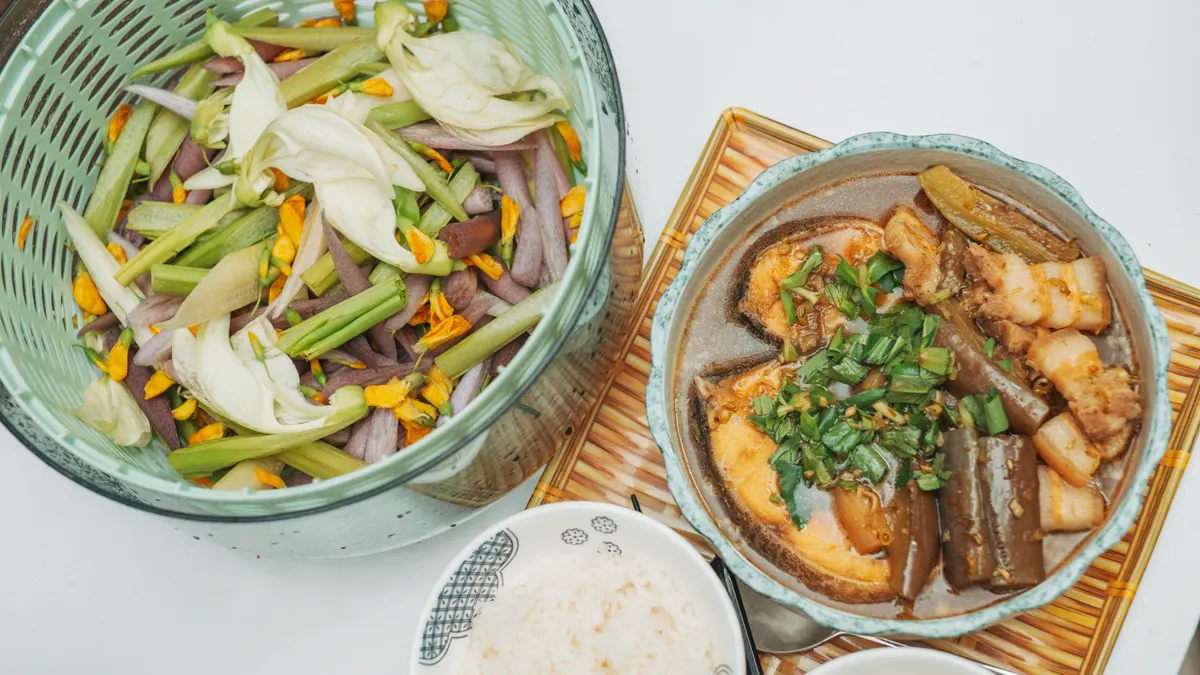
This approach is for someone who has been told to limit sodium and is tired of bland chicken, plain rice, or soft vegetables that all taste the same by dinner. It assumes you can cook at home, have basic pantry items such as olive oil, garlic, vinegar, lemons, fresh herbs, and bread for toast, and can follow a simple recipe without relying on packaged seasoning mixes. It also assumes you want food that tastes brighter without turning to processed sauces or salty convenience items.
It is not for every kidney patient in the same way. Fluid restriction, potassium limits, phosphorus limits, diabetes, and other medical issues change what “good flavor” can look like. A tomato-heavy sauce, a banana-based smoothie, or a big pour of milk in mashed potatoes may fit one person and miss the mark for another. That is why the first move is not “add more spice”; it is to build flavor inside the limits your clinician has given you.
The core idea of kidney diet flavor building is simple: use a few strong signals instead of a lot of salt. Acid wakes up a flat dish. Garlic and fresh herbs add aroma. Toasting spices gives them more depth. Olive oil carries flavor across the tongue. Crunch from toast, nuts if allowed, or browned edges keeps a meal from feeling like soft, boiled food from every angle. Food science and renal nutrition guidance both point toward these techniques as useful ways to make restricted meals more satisfying, though individual tolerance varies. According to the National Institute of Diabetes and Digestive and Kidney Diseases and the National Kidney Foundation, kidney diet choices still need to match the person’s own plan.
For background on safe ingredient choices, the hub guide to CKD-Safe Foods & Ingredients — The Complete Guide can sit alongside this page. This article stays focused on the “how,” not on every food rule.
How do you make kidney diet meals taste better without processed ingredients?
You make kidney diet meals taste better without processed ingredients by layering 4 to 6 flavor cues in one dish: acid, aromatics, herbs, fat, browning, and texture. The trick is to add them in a fixed order so each one has a job. If the dish still tastes dull after one layer, the problem is usually not “needs more seasoning”; it is that the flavor has no backbone.
- Start with a plain base and identify the softest spot in the dish. Use 1 cooked protein, 1 starch, and 1 vegetable, such as chicken breast, rice, and green beans. Taste each separately first. Verify which part tastes empty, watery, or metallic. If every bite tastes the same, the dish needs contrast, not just more salt.
- Build aroma with garlic or onion cooked in 1 to 2 teaspoons of olive oil. Cook sliced garlic or minced onion over medium heat for about 30 to 60 seconds until fragrant, not brown. Verify that the kitchen smells warm and savory. If garlic turns tan fast or smells bitter, the heat is too high and the flavor will go harsh.
- Add acid at the end with lemon juice or vinegar, usually 1 to 2 teaspoons at a time. Stir in a small amount after cooking, then taste. Verify that the dish tastes brighter and less heavy. If it tastes sharp, sour, or thin, too much acid went in too soon or without enough fat or body to balance it.
- Use fresh herbs in a finishing role, not only as decoration. Chop 1 to 2 tablespoons of parsley, dill, cilantro, basil, or chives and add them right before serving. Verify that the herb smell rises when the plate is stirred. If the herb flavor disappears, it was cooked too long or used in too small a quantity.
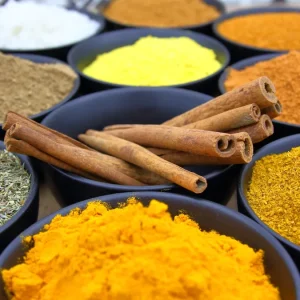
- Toast spices in a dry pan for 30 to 90 seconds before adding them. Use cumin, coriander, paprika, or black pepper only if they fit the person’s kidney plan. Shake the pan until the spice smells nutty. Verify there is aroma, not smoke. If the spice darkens too fast, the pan is too hot and the flavor may turn bitter.
- Finish with a measured amount of fat, usually 1 teaspoon of olive oil per serving. Drizzle it over vegetables, grains, or fish after cooking. Verify that the food feels less dry and the flavor lingers longer. If the dish becomes greasy, the oil is covering up a weak recipe instead of supporting it.
- Use a simple sauce to tie the plate together. Mix lemon juice or vinegar with olive oil, minced garlic, and chopped herbs; or thin a pan sauce with a spoon of water from the cooked vegetables if that fits the meal. Verify that the sauce coats food lightly rather than pooling. If it tastes flat, the sauce needs either more acid or more aromatics, not more salt.
- Add one texture contrast before serving. A slice of toast, a crisped piece of bread, browned edges on roasted vegetables, or a quick sear on protein gives the mouth something to notice. Verify that one bite sounds or feels different from the soft parts of the plate. If the meal is all soft, it will read as bland even when the seasoning is correct.
The most useful test is the second bite. If the first bite tastes pleasant but the second goes flat, the dish probably needs acid or texture. If the first bite is overwhelming, the issue is likely too much garlic, too much vinegar, or too much browning. Kidney diet meals do not have to taste muted; they need a clearer structure.
What adds flavor without adding sodium?
Acid, aromatics, herbs, toasting, and browning add the most flavor without adding sodium. That is the short answer, and it is more dependable than hunting for a “magic” low-sodium substitute. In practical cooking, lemon juice, vinegar, garlic, onion, rosemary, thyme, parsley, and a little olive oil do more than a long ingredient list with half the pantry.
Acid is the quickest tool. A squeeze of lemon over vegetables, fish, chicken, or beans can make a dish taste fresher within seconds. Vinegar does a similar job, especially in dressings and pan sauces. Rice vinegar, red wine vinegar, and apple cider vinegar are common kitchen choices; the label matters less than the amount. Start with 1 teaspoon and build slowly. Too much acid makes food taste thin instead of bright.
Aromatics are the second layer. Garlic and onion work because heat turns them sweet and savory before they brown. If they scorch, the whole dish can turn bitter. Fresh herbs bring a green, lively note that dried herbs cannot fully copy. Parsley, dill, basil, cilantro, chives, and tarragon each behave differently, so one herb should not be expected to fix every plate.
Olive oil matters because some flavor compounds dissolve better in fat than in water. A light coating helps the tongue register herbs and spice more clearly. That does not mean more oil is always better; in many dishes, too much oil makes the meal heavy. One teaspoon to one tablespoon per serving is often enough for flavor support, depending on the dish.
This is also where simple cooking technique beats ingredients. Roasting at a moderate oven temperature until the edges brown, pan-searing until a crust forms, or toasting bread for a meal can make the same ingredients taste more complete. A plain baked potato tastes different from a roasted potato because heat changes the surface. A plain vegetable tastes different from one with browned edges for the same reason.
The limitation is real: if someone needs very tight potassium, phosphorus, or fluid control, not every flavorful food works. Tomato, avocado, dairy, nuts, and some salt substitutes may fit one person and not another. That is why this page stays on technique and flavor structure, not on a universal ingredient list.
For a deeper overview of kidney-safe ingredient choices, the National Institute of Diabetes and Digestive and Kidney Diseases offers patient education on kidney diet basics, and the National Kidney Foundation publishes practical nutrition guidance. Those sources are useful starting points, but individual plans still vary.
When the standard approach does not apply
The standard approach does not apply when another medical limit changes the food list, the cooking method, or the portion size. In those cases, flavor building still helps, but the ingredients and format need to be adjusted.
Fluid restriction is strict: soups, broths, and watery sauces may fit poorly — use concentrated flavor on drier foods such as roasted vegetables, rice bowls, or baked fish instead.
Potassium limits are tight: lemon, herbs, and vinegar are usually easier to work with than large portions of tomato, potato, or fruit-heavy sauces — ask a renal dietitian before building meals around high-potassium ingredients.
Phosphorus limits are a major concern: cheese-heavy sauces, bran-rich add-ins, and many processed condiments are poor fits — choose olive oil, herbs, and acid-based dressings instead.
Diabetes is also in play: sweet glazes and many bottled dressings can add sugar without improving flavor balance — use acidic, herbal, and browned notes instead of sweetness.
Nausea or poor appetite is present: strong garlic, aggressive vinegar, or heavy oil may backfire — choose milder herbs, small portions, and simpler plating.
Oral soreness or taste changes are severe: black pepper, raw onion, and highly acidic foods may sting — cook aromatics longer and keep acid modest.
In each case, the consequence is the same: the wrong flavor strategy can make the meal harder to eat, not easier. If the person’s plan is medically complex, the safest move is to get a kidney-specific meal plan from a qualified professional rather than guess from general cooking advice. The National Kidney Foundation also notes that kidney nutrition needs can differ widely from person to person.
The mistakes people actually make, and what they cost
The most common mistake is trying to replace salt with one bigger flavor. That usually creates a dish that is too sour, too garlicky, or too oily, and it still tastes flat because the flavor never got layered. The correct alternative is to use 2 or 3 small moves: a little acid, a little fat, and one herb.
Another mistake is adding lemon or vinegar too early. Long cooking can mute bright flavors and leave only sourness. Add acid at the end unless a recipe specifically calls for a marinade or reduction. If the dish tastes harsh, finish with oil or a starchy side such as rice or toast to round it out.
A third error is burning garlic or spices. Garlic only needs seconds to move from fragrant to bitter, and ground spices can scorch just as fast in a dry pan. The cost is a whole pan of food that tastes acrid. The fix is low to medium heat and constant movement in the pan.
A fourth mistake is relying on dried herbs only. Dried basil or parsley can be useful, but they do not give the same fresh lift as a handful of chopped herbs at the end. The cost is a meal that tastes dusty instead of lively. Use dried herbs earlier in cooking and fresh herbs at the finish when they are allowed.
A fifth mistake is forgetting texture. Soft food can taste “healthy” and still feel monotonous. A roasted edge, a piece of toast, or a crisp vegetable garnish can make the whole plate more appealing. The cost of skipping texture is simple: the meal feels bland even when the seasoning is technically correct.
A final mistake is treating every kidney diet as identical. That turns advice into guesswork. A person who must limit potassium or phosphorus may need a different set of ingredients than someone who mainly needs lower sodium. The correct alternative is to match the flavor method to the medical plan, not to a generic internet list, and to confirm it with a renal dietitian or clinician when the plan is complicated.
What should I put on the plate first?
Put the most flavorful item on the plate first, then build the rest of the meal around it. That usually means the browned protein, the herbed sauce, or the roasted vegetables go down before the plain starch. A plate arranged this way makes each bite more balanced and keeps the blandest food from taking over the meal.
Start with one anchor food that already has color and aroma. A piece of seared chicken, baked fish with herbs, or roasted cauliflower gives the meal a center. Add a starch like rice, pasta, or toast to carry the sauce. Then place the vegetable where it can catch the oil, herbs, or acid instead of sitting dry on the edge of the plate.
A simple sauce helps the plate feel complete. For example, 1 tablespoon of olive oil mixed with 1 teaspoon of vinegar and chopped parsley can coat vegetables or grains without turning the meal soupy. A lemon-garlic drizzle works the same way. The point is not volume; it is contact. Food tastes better when the seasoning touches more than one surface.
If the meal still tastes weak, check the sequence. Food often tastes better when acid is added after cooking, herbs are added at the end, and toast or another crisp element is served last so it stays crisp. Timing matters as much as the ingredient list.
The honest limitation is that there is no universal fix for taste fatigue. Some days the body wants less garlic, less acid, or less texture. On those days, simplify the plate instead of forcing more flavor into it. A smaller meal that is actually eaten is better than a carefully seasoned plate that goes cold.
How do you make a simple kidney-friendly sauce?
You make a simple kidney-friendly sauce by combining 3 parts: fat, acid, and aromatics. A practical version is 1 tablespoon olive oil, 1 to 2 teaspoons lemon juice or vinegar, and 1 small clove of garlic or 1 tablespoon chopped herbs. Stir it together and taste before serving. It should coat food lightly, not sit like a puddle.
A good basic sauce can be adjusted by the main dish. For chicken or fish, lemon and parsley keep the flavor clean. For roasted vegetables, garlic and thyme make the sauce feel deeper. For rice or pasta, olive oil with chives or basil gives more aroma without weighing the dish down.
Drafted with AI; not yet reviewed by a person.