Last updated: October 20, 2026
Quick answer: for CKD, steam, roast, or boil each has a job, but steaming is usually the safest all-purpose option, roasting is usually best for flavor, and boiling is most useful when potassium reduction matters most.
I write about kidney-friendly food choices and cooking methods for people who need practical, not theoretical, guidance. In Best Ways to Prepare Vegetables for CKD: Steam, Roast, or Boil?, the point is simple: this comparison stays focused on how each method affects potassium, texture, flavor, and how much help it gives you when salt has to stay low.
Key takeaways
- Steaming keeps vegetables tender without drowning flavor or nutrients in water.
- Roasting gives very good taste and browning, but it does not lower potassium the way boiling can.
- Boiling is the most useful method when potassium reduction matters more than texture.
- Sautéing can work, but only if the pan is small and the oil and salt stay controlled.
- The right choice depends on the vegetable, your potassium goal, and whether you need batch cooking.
The real difference between steaming, roasting, and boiling in CKD cooking
Steaming wins for most CKD meal plans because it changes the vegetable the least while still making it easy to eat. The food sits above water, so the texture softens without getting soggy, and flavor stays more intact than with a full boil. That matters when salt is limited and the cook has to rely on the vegetable itself, herbs, garlic, onion, citrus, or salt-free blends for taste.
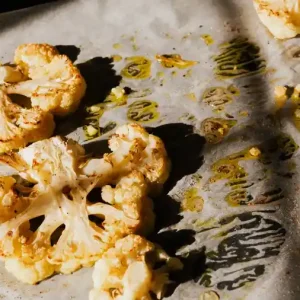
Roasting works well for flavor. A hot oven creates browning and caramelized edges that make vegetables taste richer without adding sodium. It is also good for batch cooking because a sheet pan can handle several servings at once. The trade-off is potassium: roasting does not pull potassium out of the vegetable in the way boiling can, so it is not the first pick if potassium restriction is the main concern.
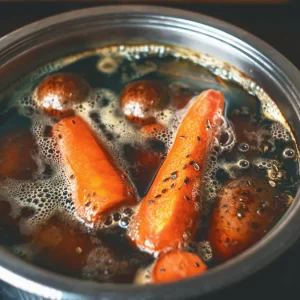
Boiling fills a narrower role: lowering potassium in the cooked vegetable by moving some of it into the water. That makes it the method to reach for when a person with CKD needs a vegetable that would otherwise be too potassium-heavy to fit comfortably into the day’s plan. The cost is flavor, and often texture. Boiled vegetables can turn bland or limp fast, which is why many people stop using this method except when they need the potassium trade-off.
For a broader kidney-food framework, the hub page on [CKD-Safe Foods & Ingredients — The Complete Guide] can sit alongside this one once the rest of the meal plan needs sorting.
Steaming in CKD: a practical default
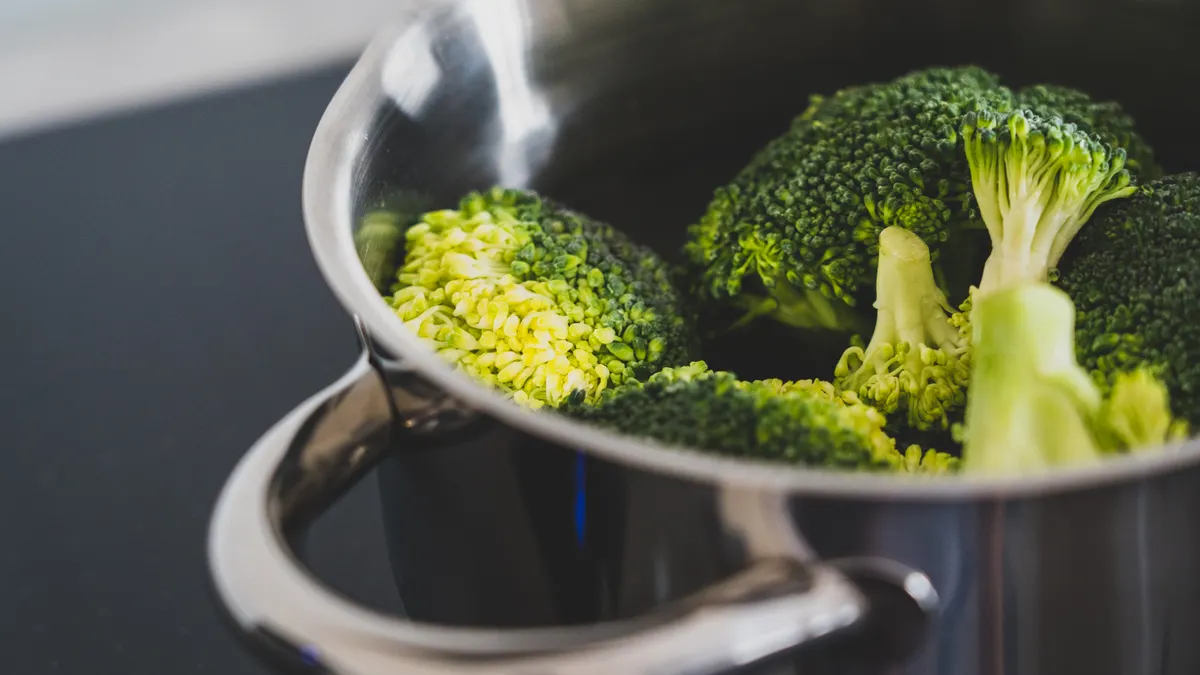
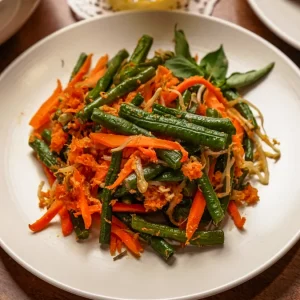
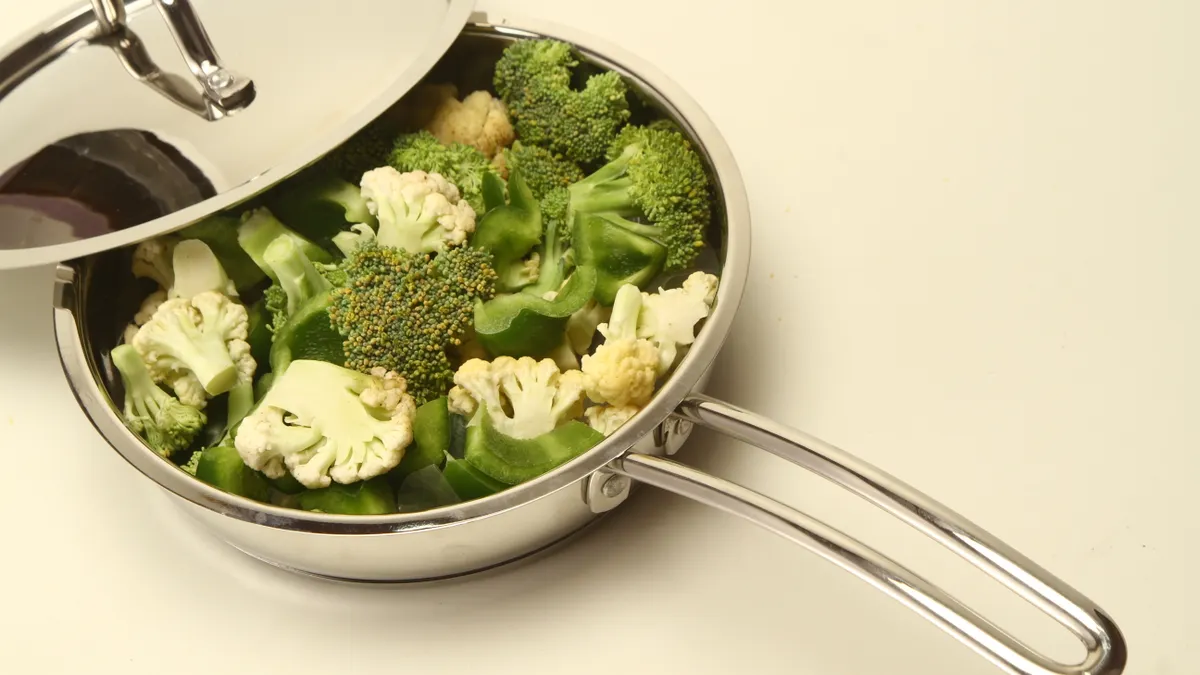
Steaming is a good default if the goal is a vegetable that stays usable, mild, and easy to season without salt. It preserves shape better than boiling and avoids the deep dryness that can come from roasting delicate vegetables too long. A 5- to 10-minute steam is often enough for tender-crisp broccoli florets, green beans, cauliflower, carrots cut into coins, or zucchini slices, though exact timing depends on the cut and the size of the pieces.
The main strength of steaming is control. The cook can stop as soon as the vegetable is just tender, then finish with olive oil, lemon, black pepper, dill, parsley, or another salt-free seasoning mix. That makes steaming especially useful for someone who needs meals that feel light but still look like real food, not diet food.
The drawback is that steaming is not the most flavorful method on its own. Without browning, some vegetables taste flat unless the seasoning is thoughtful. It also does nothing special to reduce potassium the way boiling can. If the problem is high potassium rather than texture or sodium, steaming may be too gentle.
Steaming is a strong choice for:
- people who need a routine, low-drama method for weeknight meals
- anyone building a plate around salt-free seasoning and a little olive oil
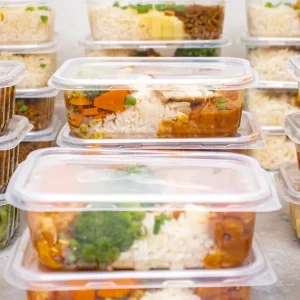
- cooks who want vegetables that reheat well for 2 to 4 days of meal prep
Steaming is not the best pick for:
- people who need a real potassium-lowering step
- anyone who finds soft vegetables unappealing
- dishes that rely on char, crisp edges, or a roasted flavor profile
Roasting: flavor first, not potassium reduction
Roasting is one of the best ways to make CKD-friendly vegetables taste like a real side dish rather than a medical compromise. High oven heat brings out sweetness and browning, which can make cauliflower, carrots, Brussels sprouts, onions, bell peppers, and squash more appealing without leaning on salt. That matters because a diet that feels tasteless rarely lasts. A sheet pan at 400°F to 425°F is a common roasting range, and the vegetables usually need enough oil to coat lightly, not soak.
Roasting also excels at batch cooking. One tray can feed several meals, and leftovers reheat well in an oven or air fryer. That makes it practical for people who need to cook once and eat twice or three times. The crisp edges can survive reheating better than the soft texture from steaming.
The weakness is clear: roasting does not provide the potassium reduction that boiling can. If a dietitian has told a person to watch potassium closely, roasting may still fit, but it does not solve the mineral issue. Roasted vegetables can also become too dry or too brown if left in the oven too long, which makes them less forgiving for people who already struggle with appetite.
Roasting is a good choice for:
- people who need vegetables that taste good without salt
- batch cooks who want leftovers that still feel appetizing
- meals where texture matters as much as nutrition
Roasting is not the right choice for:
- a meal plan that depends on lower potassium from cooking water
- very tender vegetables that burn or dry out quickly
- anyone who needs a soft texture for chewing issues or poor appetite
Boiling: the method that helps most when potassium is the problem
Boiling is the most useful method when the key issue is potassium, not flavor. Because the vegetable sits in water, some potassium moves out during cooking. That makes boiling the method to choose when a person with CKD has been told to keep closer track of potassium intake and needs cooking to do more of the work. It is especially relevant for firmer vegetables that can handle a pot without collapsing immediately.
The downside is that boiling can strip away flavor and make vegetables watery. Many people also dislike the texture, especially if the pieces sit in the pot too long. A vegetable that has been boiled well may need more seasoning afterward just to taste like itself, and that can be a challenge when sodium has to stay low. The cook may have to drain carefully and then dress the food with herbs, vinegar, garlic, or a no-salt blend.
Boiling also has a second drawback that matters in real kitchens: once the vegetable is cooked past tender, the texture goes from soft to mushy fast. That limits its use in salads, sheet-pan meals, or dishes where the vegetable needs to hold shape.
Boiling is a good choice for:
- CKD meal plans where potassium control outranks flavor
- vegetables that will be mashed, pureed, or folded into another dish
- cooks who are willing to trade texture for a more kidney-conscious result
Boiling is not the right choice for:
- people who already struggle with appetite and need food to taste appealing
- meals built around crisp texture or browning
- anyone who wants a fast, flavorful side without extra seasoning work
The honest side-by-side for CKD vegetables
Steaming works well for everyday CKD cooking, roasting works well for flavor, and boiling works well when potassium reduction matters most. The table below shows where each method actually changes the decision.
| Criteria | Steaming | Roasting | Winner for condition |
|---|---|---|---|
| Potassium reduction | Limited | Limited | Boiling |
| Texture control | Strong | Strong, if watched closely | Steaming for tender-crisp |
| Flavor without salt | Moderate | Strong | Roasting |
| Batch cooking | Good | Excellent | Roasting |
| Low-effort weeknights | Good | Moderate | Steaming |
| Works with delicate vegetables | Strong | Mixed | Steaming |
| Works with firmer vegetables | Strong | Strong | Tie |
| Reheat quality | Good | Very good | Roasting |
| Risk of blandness | Moderate | Low | Roasting |
| Best for strict potassium focus | Weak | Weak | Boiling |
If the only question is “Which method gives me the most kidney-friendly flexibility?” the answer is steaming. If the question is “Which one makes vegetables taste like something I would want to eat twice this week?” the answer is roasting. If the question is “Which one does the most to support potassium control?” the answer is boiling, even if it is the least exciting on the plate.
For readers who want a broader kidney diet framework, the National Kidney Foundation and the Academy of Nutrition and Dietetics both publish kidney-diet guidance that reinforces the same idea: method matters, but the whole meal matters more than one technique. The National Institute of Diabetes and Digestive and Kidney Diseases also has patient guidance on CKD nutrition, including mineral control.
What changes the choice more than the cooking method itself
The vegetable itself can matter more than the method. A firm cauliflower floret, for example, can steam, roast, or boil without falling apart. A watery zucchini slice behaves very differently and can go soft in minutes. Cut size matters too: a 1-inch chunk cooks differently from a thin slice, even in the same oven or pot.
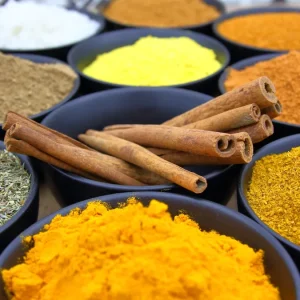
Salt-free seasoning changes the decision as well. Roasting can carry herbs and spices more effectively because the heat concentrates flavor. Steaming often needs a finishing touch, such as lemon zest, vinegar, garlic-infused oil, or an herb blend, because the vegetable itself stays relatively mild. Boiling often needs the most help after cooking because water has washed out both flavor and, in some cases, part of the mineral content.
Batch cooking is another real-world factor. A person cooking for 3 or 4 days at once may prefer roasting because the texture holds up better after refrigeration. A person making dinner in 15 minutes may prefer steaming because it is quick and hard to mess up. Someone who needs the lowest potassium result from the cooking step itself may need to build boiled vegetables into soups, mashes, or mixed dishes where the texture problem matters less.
That is why “best” is not one answer for every plate. It is one answer for potassium, another for flavor, and another for convenience.
When to reconsider this choice entirely
The overall verdict flips in a few situations, and ignoring them gives bad advice.
-
Potassium has been flagged as a major lab issue.
Boiling moves to the front of the line because it can help more than steaming or roasting. That does not mean every vegetable should be boiled, but it does mean the meal plan should prioritize potassium management over texture. -
The person has a poor appetite.
Roasting may be the better choice because flavor and aroma matter more when food needs to attract someone to the plate. A bland, wet vegetable can go untouched. -
Chewing is difficult.
Steaming often wins because it softens without hard edges, char, or dryness. Very crisp roasted vegetables can be a bad fit. -
The kitchen only needs one method for meal prep.
Roasting is often the most practical single method for several servings because it scales well on a sheet pan and reheats cleanly. A 425°F oven and 20 to 35 minutes, depending on the cut, can work for a lot of weekday dinners.
The verdict: which one to choose and why
Choose steaming if you need the best all-purpose method for CKD meals, especially when you want tenderness, decent flavor, and a low-sodium finish without much risk. Choose roasting if taste and batch cooking matter most and potassium is not the main restriction. Neither if you need a food-specific kidney plan and have been told to manage potassium, phosphorus, or fluid closely without individual guidance from a renal dietitian or clinician.
Is steaming better than boiling for kidney patients?
Steaming is better for most kidney patients when the goal is a reliable everyday side dish. It keeps texture and flavor better than boiling, which often leaves vegetables softer and less appealing. Boiling only takes the lead when potassium reduction matters enough to justify the trade-off in taste and texture.
Do roasted vegetables fit a renal diet?
Roasted vegetables can fit a renal diet very well. They are especially useful when salt has to stay low because browning adds flavor without sodium. The catch is that roasting does not lower potassium the way boiling can, so it is a better fit for taste and meal prep than for strict potassium control.
Which cooking method keeps the most flavor without salt?
Roasting keeps the most flavor without salt. The dry heat creates browning and caramelized edges that make vegetables taste fuller and sweeter on their own. Steaming is the next best option if you finish the vegetables with herbs, citrus, or other salt-free seasoning, but boiling usually loses the most flavor.
Drafted with AI; not yet reviewed by a person.