Last updated: October 24, 2026
Key Takeaways
- Boiling, soaking, and leaching move soluble potassium into water that gets discarded.
- You need a knife, a peeler, a large pot, enough cold water to cover the food by 2 to 3 inches, and a colander or strainer.
- Potatoes and sweet potatoes are the clearest examples of leaching.
- These methods are not right for every kitchen, and forcing them into every recipe can backfire.
Cooking for a kidney diet means changing how you prepare food, not just which foods you buy. Boiling, soaking, and leaching can lower some minerals in potatoes, sweet potatoes, and vegetables, but the method matters, the food matters, and the finished texture changes too. If kidney numbers or fluid limits are part of the picture, speak with a qualified renal dietitian or clinician about your own situation before you make major changes. For general CKD nutrition guidance, the National Kidney Foundation is a useful starting point.
Who this is for, and what the method can actually do
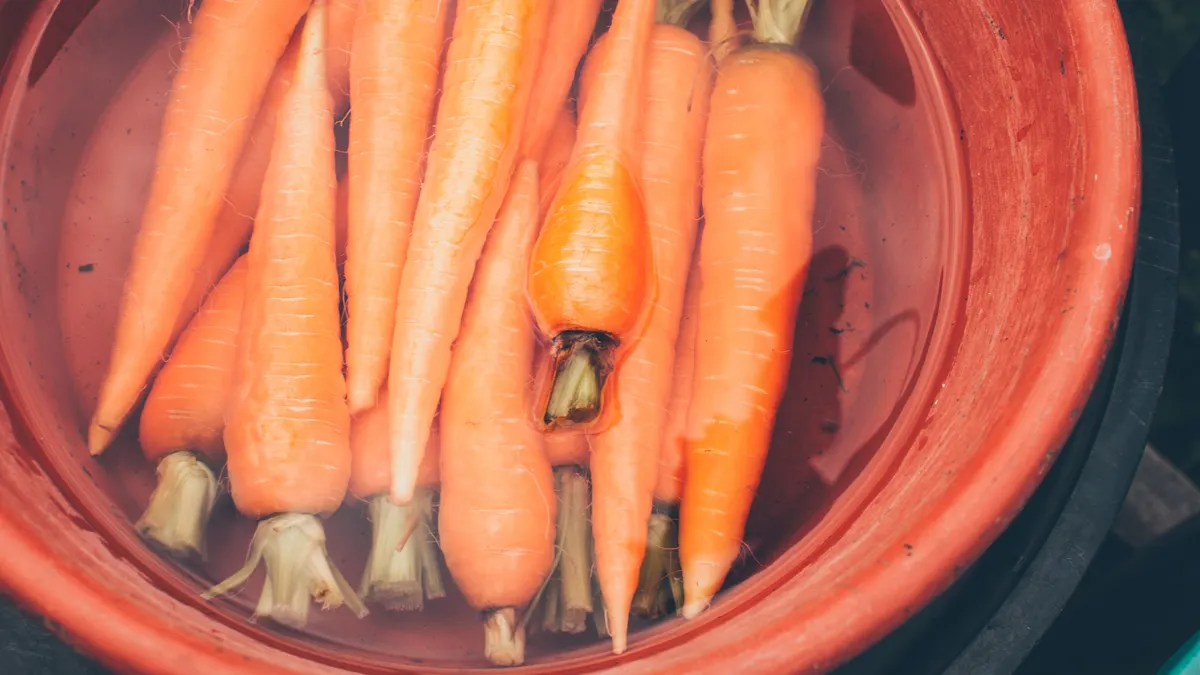
This applies to a person who needs to reduce potassium from cooking, or who is trying to make staple foods fit a kidney diet without turning every meal into a separate menu. It assumes you already know the basics of the shopping list and want the practical part: how to turn a potato, a tray of vegetables, or a pot of pasta into something more kidney-friendly at the stove.
The kidney diet cooking methods in this guide are the ones people usually mean when they talk about boiling, soaking, and leaching. In plain terms, leaching means drawing potassium out of a cut food and into water, then throwing the water away. It is a preparation technique, not a cure, and it does not make every food safe for every person with chronic kidney disease (CKD). Potassium needs vary widely, and limits can change with lab results, medications, and dialysis status. For an individual plan, consult a renal dietitian or clinician, and check guidance from the National Institute of Diabetes and Digestive and Kidney Diseases.
This is not the right page for a complete food list, phosphorus rules, or a full CKD nutrition plan. It is the right page for someone who needs to know why a peeled potato can behave differently from a baked one, why rice and pasta often stay on the menu, and why draining the cooking water is not a small detail. For broader ingredient guidance, the hub on CKD-Safe Foods & Ingredients — The Complete Guide is the right place to go next.
A useful way to think about these methods is this: they can reduce some soluble minerals, especially potassium, when food is cut small and cooked in plenty of water. They also change texture, aroma, and sometimes color. That trade-off is part of the method, not a mistake.
How do boiling, soaking, and leaching work?
Boiling, soaking, and leaching work by moving soluble potassium from the food into water that is then discarded. Potassium is water-soluble, so the biggest drop usually comes from contact with more water, more surface area, and more time in that water.
Boiling is the simplest version. Food pieces simmer in a large volume of water, then the water is poured off. This is why a pot of diced potatoes behaves differently from roasted wedges. Soaking is slower and usually used before cooking; it helps draw out potassium from cut pieces before the heat even starts. Leaching combines the two ideas, often with repeated boiling in fresh water for foods like potatoes and sweet potatoes.
The catch is that the method does not strip out only potassium. Some vitamin C and other water-soluble nutrients can also move into the water, and the food often becomes softer and less flavorful. That matters if a person needs enough calories or has trouble eating. A mushy vegetable may be acceptable in a casserole, but not as a side dish. For some people, texture loss is a fair trade. For others, it makes the food less usable.
A second catch is that not every cooking method helps. Steaming generally keeps more minerals in the food because there is less water to carry them away. Baking and microwaving also tend to leave more potassium in place than boiling in a large pot of water, though exact results vary by food size and cut. If the goal is to lower potassium, the method needs to move the mineral out of the food and into water that gets discarded. The Academy of Nutrition and Dietetics notes that preparation method can change mineral content, which is why details matter.
How to cook for a kidney diet, step by step
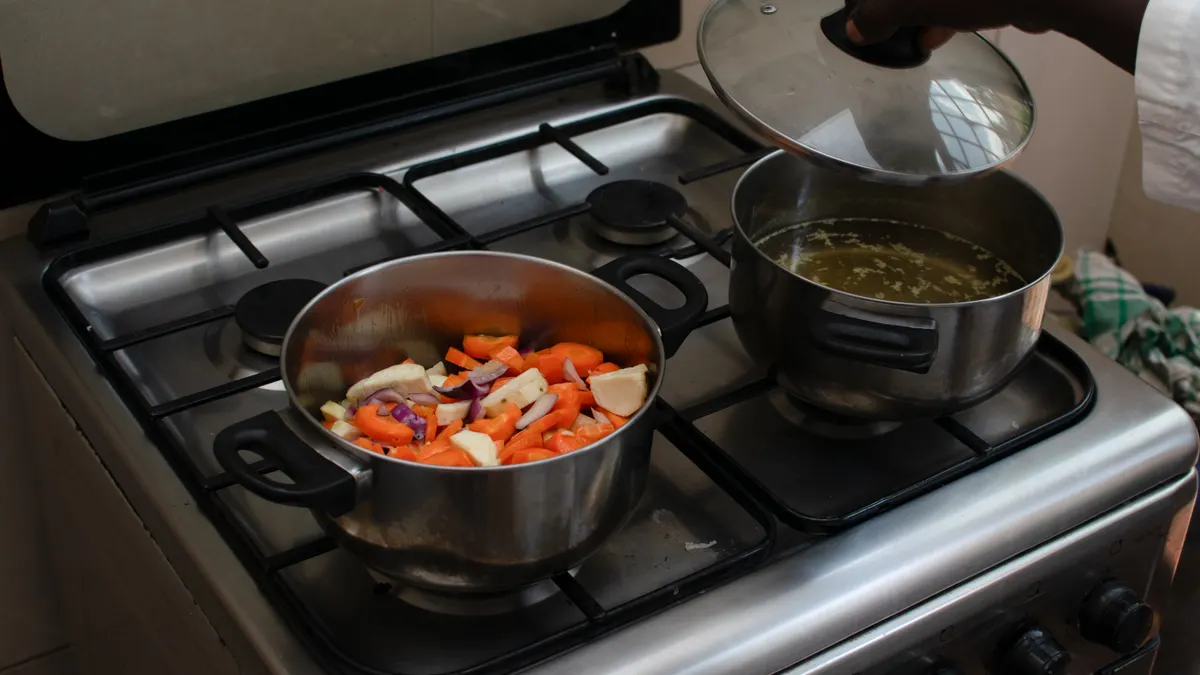
You need a knife, a peeler, a large pot, enough cold water to fully cover the food by at least 2 to 3 inches, and a colander or strainer. For potatoes and vegetables, smaller pieces usually work better than large ones because they expose more surface area. For pasta and rice, the goal is usually different: cook normally, then drain thoroughly if the recipe leaves excess water behind.
- Choose the food you plan to prepare. Start with potatoes, sweet potatoes, carrots, turnips, cauliflower, or similar cuttable produce, or with rice and pasta if you need a low-potassium base. Verify that the food is firm and free of spoilage. A soft, sprouting, or moldy item is a problem because prep will not fix it.
- Peel when the method calls for it. Remove skins from potatoes and sweet potatoes before leaching if potassium reduction is the goal. Verify that the surface is clean and no thick dark eyes remain. A problem is leaving the skin on and assuming soaking alone will do the job; skin can hold onto minerals and the result is less predictable.
- Cut the food into small, even pieces. Dice potatoes or vegetables into pieces about 1/2 inch to 1 inch across, or slice them thinly. Verify that the pieces are similar in size so they cook evenly. If some pieces are much larger, the outside may soften while the center stays hard, and the mineral reduction will be uneven too.
- Soak the cut pieces in cold water. Cover them completely and leave them in water for a short soak, often 2 hours or more when the goal is potassium reduction. Verify that the water stays above the food the entire time. If the water turns cloudy and the pieces are floating dry at the top, the soak is not doing the work it should.
- Drain the soaking water and rinse the food. Pour off the water completely, then rinse the pieces under fresh running water for 15 to 30 seconds. Verify that the soak water is gone before cooking. If you reuse that water in soup, sauce, or mash, you send the potassium right back into the dish.
- Boil in a large pot of fresh water. Use enough water to keep the food submerged, then bring it to a boil and cook until just tender. Verify tenderness with a fork, not mushiness. A problem is cooking so long that the food falls apart; that can ruin texture and make mashed potatoes or vegetables watery.
- Discard the cooking water completely. Pour the water off into the sink or drain, not into the finished meal. Verify that the pot is empty of liquid before seasoning or serving. If the cooking water stays in the dish, the leached potassium stays with it.
- Check the final texture and season lightly. Taste after cooking and add herbs, acid, garlic, pepper, or other approved seasonings instead of relying on salty broths. Verify that the texture still works for the dish. If the food is bland and waterlogged, the method may be correct but the format may be wrong for that recipe.
For rice and pasta, the kidney-diet issue is usually simpler. Plain white rice and most pasta are often used as lower-potassium bases compared with many vegetables and beans, but the exact fit depends on the rest of the meal. Cook them in plenty of water if the package directs that method, then drain well. The texture should be tender but not sticky or soggy. A pot that still has a lot of standing water after draining is a sign the heat or timing was off.
What should I use for potatoes and sweet potatoes?
Potatoes and sweet potatoes are the foods most people try to leach first, and they are the clearest examples of this method. The usual approach is to peel, cut into small cubes or thin slices, soak in cold water, boil in fresh water, and drain the cooking water. That sequence gives the minerals several chances to move out of the food.
The bigger the pieces, the less effective the method usually is. A whole potato is much harder to leach than 1/2-inch dice. If the goal is a side dish, smaller pieces are often easier to fit into soups, stews, or casseroles after they have been boiled and drained. For mashed potatoes, the texture will usually be looser and less fluffy than a baked or roasted version, so a person may need to adjust the recipe with non-dairy liquids, herbs, or a small amount of kidney-appropriate fat.
Sweet potatoes behave in much the same way, though they can end up sweeter and softer after boiling. That softness is not a flaw if the goal is a puree or mash, but it can be disappointing if the plan was crisp wedges. The difference is especially obvious when comparing boiled sweet potato cubes to oven-roasted pieces: the first can be used as a lower-potassium base, while the second usually keeps more of what was in the food. USDA FoodData Central is one place to check nutrient values before and after cooking.
A practical point gets missed in generic advice: leaching changes flavor concentration. Once the water is discarded, the vegetable often needs more intentional seasoning because some natural taste has gone with it. A low-sodium seasoning blend is not the only option. Garlic powder, onion powder, lemon juice, rosemary, thyme, parsley, and black pepper can make the food more usable without turning the dish into a sodium-heavy recipe.
When should I stop and use a different approach?
Boiling, soaking, and leaching are not the right tool in every kitchen, and forcing them into every recipe can backfire. If any of the situations below apply, the better move is to choose a different food, a different recipe, or professional guidance.
The recipe depends on the cooking water: soups, stews, risotto, and some sauces keep the minerals in the final dish — use another base or a different ingredient, because draining is no longer possible.
The food is meant to stay crisp: frying, roasting, and sautéing usually do not lower potassium much — switch to a lower-potassium ingredient or accept that this method will not change the mineral load much.
The person is on dialysis or has a moving potassium target: needs can change fast — ask the renal team how much reduction, if any, the person needs before changing a staple food routine.
The food is very large or dense: a whole potato or thick wedge does not leach well enough for a meaningful change — cut it smaller or choose another preparation.
The person also needs fluid restriction or has poor appetite: watery, overboiled food can be hard to eat and may add unwanted volume — use smaller portions and a meal plan built around acceptable textures.
The goal is phosphorus control rather than potassium control: boiling and soaking do not solve that problem in a reliable way — do not assume one cooking trick handles every kidney-related nutrition issue.
A practical rule is this: if the only reason to use this method is “kidney diet” but the recipe would taste bad, fall apart, or keep its cooking water, this is probably the wrong method. Kidney-friendly cooking works best when the technique matches the food.
The mistakes people make with kidney-diet cooking
The most common mistake is skipping the discard step. If the soak water or boil water goes back into the soup, mash, or sauce, the point of leaching is lost. The correct alternative is to pour off both the soaking water and the cooking water and start with fresh liquid if the recipe needs it.
Another mistake is cutting pieces too large. Thick chunks look neat, but they reduce the surface area available for potassium to move out. The result is a false sense of success. The better alternative is 1/2-inch to 1-inch pieces for potatoes and vegetables when leaching is the goal.
A third error is using the same method for every food. Rice and pasta are usually handled differently from potatoes and vegetables, and not every produce item responds the same way. The correct alternative is to match the method to the ingredient and the dish, instead of assuming one trick covers all of them.
A fourth mistake is overcooking until the food collapses. That can make vegetables tasteless and potatoes gluey. The correct alternative is to cook until just tender, then stop.
A fifth mistake is forgetting that texture changes are real. A boiled potato will not behave like a roasted one, and a leached vegetable may need stronger seasoning to stay appealing. The correct alternative is to plan the final dish around the new texture, not against it.
What changes when the standard approach does not apply?
Some foods and meals need a different plan because the standard boil-soak-leach sequence is not enough. Casseroles, gratins, and one-pot meals often hold onto the cooking liquid, so the mineral reduction from prep can be partly undone. In those dishes, it may be better to pre-boil the vegetable, drain it, and add it later in the recipe.
Frozen vegetables can also behave differently because they are often blanched before freezing, which already changes texture. That does not mean they cannot fit a kidney diet, but the final result can turn soft faster than fresh produce. A shorter boil, often just until heated through, may preserve a better bite.
Precut produce is convenient, but the sizes are not always ideal for leaching. If the pieces are very large, re-cutting them can make the method more effective. For people with limited hand strength or fatigue, that extra knife work may be the real barrier, not the cooking itself.
There is also a trade-off between mineral reduction and nutrition density. The more aggressively food is boiled and drained, the more flavor and some water-soluble nutrients are likely to leave with the water. That is why kidney diet cooking methods work best as targeted tools, not as a blanket rule for every meal. If a person is struggling to eat enough, losing too much palatability can matter as much as the mineral change.
For wider ingredient choices and meal planning, the support page on CKD-Safe Foods & Ingredients — The Complete Guide is the right companion piece.
How long does it take, and what does success look like?
It usually takes more time than a normal weeknight side dish, and the signs of success are practical rather than dramatic. A short soak can take hours, while boiling vegetables or potato pieces can take only as long as needed for tenderness. The exact timing changes with cut size, food type, and starting temperature.
Success looks like three things at once.
Drafted with AI; not yet reviewed by a person.